
Greek · c. 750–323 BCE
Read archaic and classical Greek stone letter by letter
Before 403 BCE every Greek city cut its own alphabet, and a stone from Crete, Athens or Euboea may run right to left, turn at the end of each line, or set its letters on a grid that ignores word boundaries. Evidano transcribes the letters that are actually on the surface, applies the local values of Η, Χ and Ψ that you specify, and marks breaks and worn strokes instead of guessing across them.
Sample pages
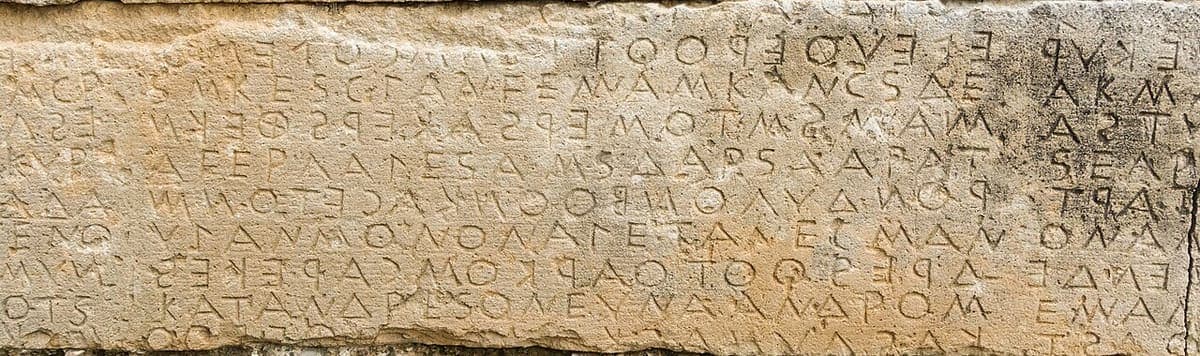
Archaeological site of Gortyn, Crete, Inscriptiones Creticae IV 72, c. 480–450 BCE · Source · CC0 1.0 · Photograph by Jebulon, via Wikimedia Commons (CC0)
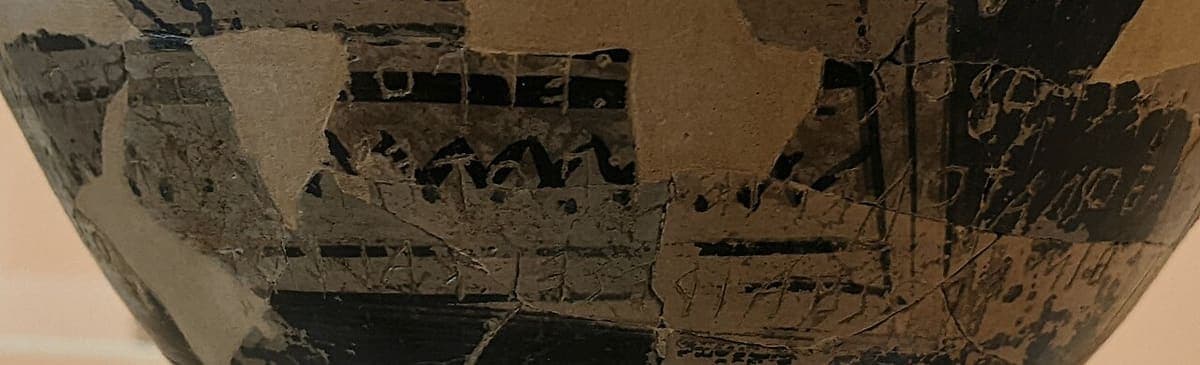
Museo Archeologico di Pithecusae, Lacco Ameno, c. 740–720 BCE · Source · CC0 1.0 · Photograph by Shonagon, via Wikimedia Commons (CC0)
Evidano Transcription
All three retrograde lines, printed left to right after L. H. Jeffery’s reading (1963) as given on Wikipedia. Square brackets mark letters lost where the sherd is broken, angle brackets a letter the writer omitted, and ͱ the Euboean sign for h; the restoration of the second word is disputed and is printed with the editors’ query.
Νεστορος : ε[ιμ?]ι : ευποτ[ον] : ποτεριον :
ͱος δ’α<ν> τοδε π[ιε]σι : ποτερι[ο] : αυτικα κενον
ͱιμερ[ος ͱαιρ]εσει : καλλιστε[φα]νο : Αφροδιτες
Source: Nestor’s Cup (Pithekoussai), Wikipedia, giving the reading of L. H. Jeffery, The Local Scripts of Archaic Greece (1963), p. 235 (CC BY-SA 4.0).
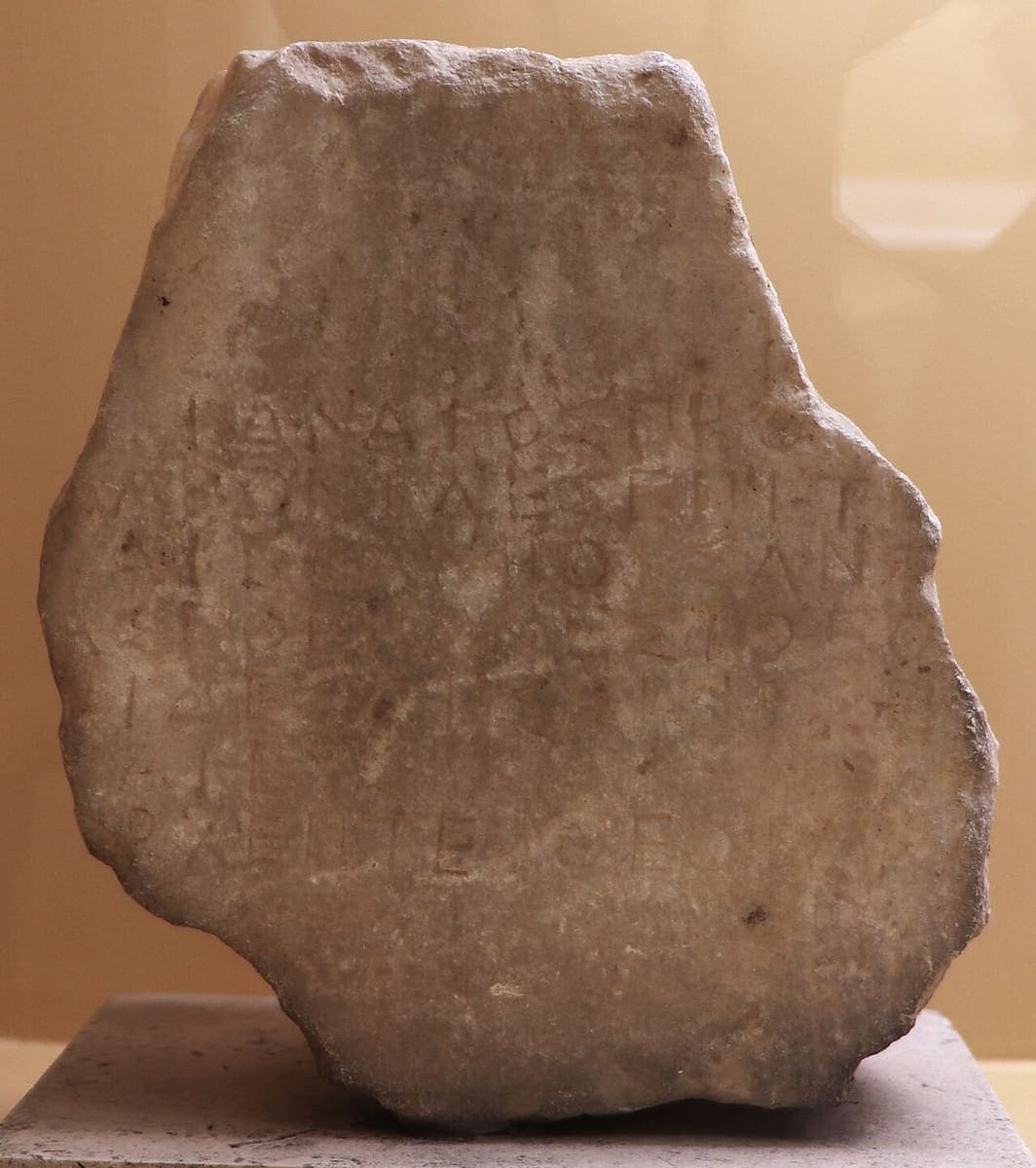
IG I³ 287, 418/17 BCE · Source · CC0 1.0 · Photograph by Furius, via Wikimedia Commons (CC0)
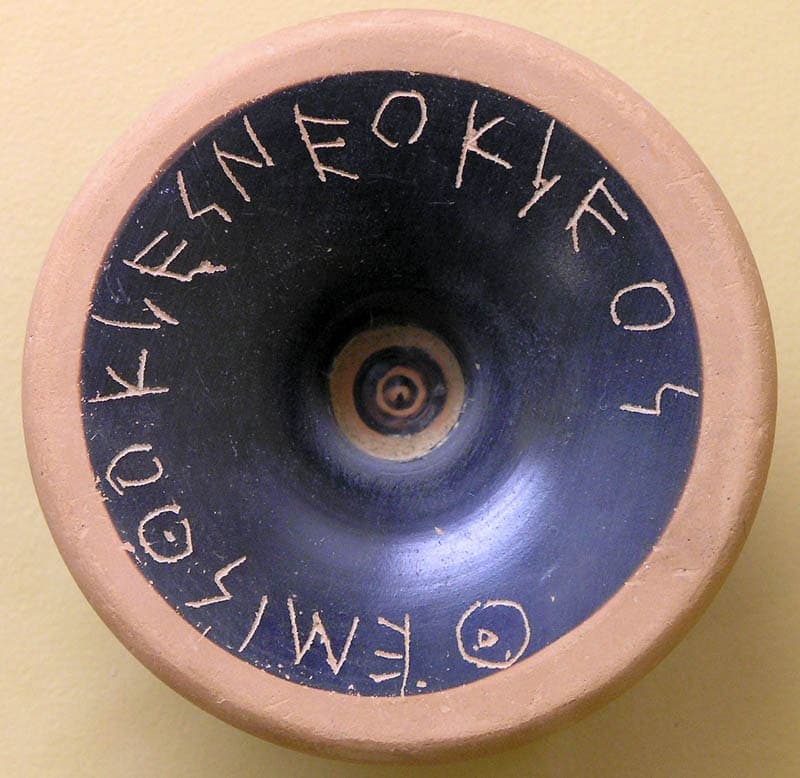
Ancient Agora Museum, Athens, c. 480s BCE · Source · Public domain · Photograph by Marsyas, via Wikimedia Commons
Evidano Transcription
ΘΕΜΙΣΘΟΚΛΕΣ ΝΕΟΚΛΕΟΣ
Generated by Evidano’s advanced model; not yet checked against a published edition.
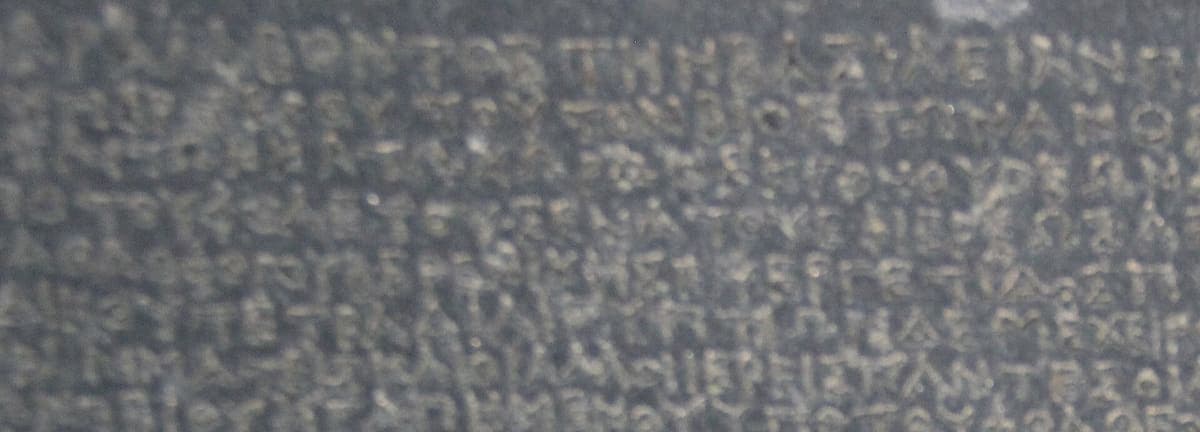
British Museum, EA 24, 196 BCE · Source · CC0 1.0 · Photograph by Gary Lee Todd, via Wikimedia Commons (CC0)
Evidano Transcription
Lines 1–8 of the Greek text, of which the crop shows roughly the first half of each line; a continuous capital-letter transcription with word spaces added by the transcribers. The Wikisource text is a volunteer transcription and carries a few evident slips (for example ΤΟΥ ΚΑΙ ΟΥ in line 3 where the stone reads ΤΟΥ ΗΛΙΟΥ) which have been left as printed.
ΒΑΣΙΛΕΥΟΝΤΟΣ ΤΟΥ ΝΕΟΥ ΚΑΙ ΠΑΡΑΛΑΒΟΝΤΟΣ ΤΗΝ ΒΑΣΙΛΕΙΑΝ ΠΑΡΑ ΤΟΥ ΠΑΤΡΟΣ ΚΥΡΙΟΥ ΒΑΣΙΛΕΙΩΝ ΜΕΓΑΛΟΔΟΞΟΥ ΤΟΥ ΤΗΝ ΑΙΓΥΠΤΟΝ ΚΑΤΑΣΤΗΣΑΜΕΝΟΥ ΚΑΙ ΤΑ ΠΡΟΣ ΤΟΥΣ
ΘΕΟΥΣ ΕΥΣΕΒΟΥΣ ΑΝΤΙΠΑΛΩΝ ΥΠΕΡΤΕΡΟΥ ΤΟΥ ΤΟΝ ΒΙΟΝ ΤΩΝ ΑΝΘΡΩΠΩΝ ΕΠΑΝΟΡΘΩΣΑΝΤΟΣ ΚΥΡΙΟΥ ΤΡΙΑΚΟΝΤΑΕΤΗΡΙΔΩΝ ΚΑΘΑΠΕΡ Ο ΗΦΑΙΣΤΟΣ Ο ΜΕΓΑΣ ΒΑΣΙΛΕΥΣ ΚΑΘΑΠΕΡ Ο ΗΛΙΟΣ
ΜΕΓΑΣ ΒΑΣΙΛΕΥΣ ΤΩΝ ΤΕ ΑΝΩ ΚΑΙ ΤΩΝ ΚΑΤΩΝ ΧΩΡΩΝ ΕΚΓΟΝΟΥ ΘΕΩΝ ΦΙΛΟΠΑΤΟΡΩΝ ΟΝ Ο ΗΦΑΙΣΤΟΣ ΕΔΟΚΙΜΑΣΕΝ ΩΙ Ο ΗΛΙΟΣ ΕΔΩΚΕΝ ΤΗΝ ΝΙΚΗΝ ΕΙΚΟΝΟΣ ΖΩΣΗΣ ΤΟΥ ΔΙΟΣ ΥΙΟΥ ΤΟΥ ΚΑΙ ΟΥ ΠΤΟΛΕΜΑΙΟΥ
ΑΙΩΝΟΒΙΟΥ ΗΓΑΠΗΜΕΝΟΥ ΥΠΟ ΤΟΥ ΦΘΑ ΕΤΟΥΣ ΕΝΑΤΟΥ ΕΦ ΙΕΡΕΩΣ ΑΕΤΟΥ ΤΟΥ ΑΕΤΟΥ ΑΛΕΞΑΝΔΡΟΥ ΚΑΙ ΘΕΩΝ ΣΩΤΗΡΩΝ ΚΑΙ ΘΕΩΝ ΑΔΕΛΦΩΝ ΚΑΙ ΘΕΩΝ ΕΥΕΡΓΕΤΩΝ ΚΑΙ ΘΕΩΝ ΦΙΛΟΠΑΤΟΡΩΝ ΚΑΙ
ΘΕΟΥ ΕΠΙΦΑΝΟΥΣ ΕΥΧΑΡΙΣΤΟΥ ΑΘΛΟΦΟΡΟΥ ΒΕΡΕΝΙΚΗΣ ΕΥΕΡΓΕΤΙΔΟΣ ΠΥΡΡΑΣ ΤΗΣ ΦΙΛΙΝΟΥ ΚΑΝΗΦΟΡΟΥ ΑΡΣΙΝΟΗΣ ΦΙΛΑΔΕΛΦΟΥ ΑΡΕΙΑΣ ΤΗΣ ΔΙΟΓΕΝΟΥΣ ΙΕΡΕΙΑΣ ΑΡΣΙΝΟΗΣ ΦΙΛΟΠΑΤΟΡΟΣ ΕΙΡΗΝΗΣ
ΤΗΣ ΠΤΟΛΕΜΑΙΟΥ ΜΗΝΟΣ ΞΑΝΔΙΚΟΥ ΤΕΤΡΑΔΙ ΑΙΓΥΠΤΙΩΝ ΔΕ ΜΕΧΕΙΡ ΟΚΤΩ ΚΑΙ ΔΕΚΑΤΗΙ ΨΗΦΙΣΜΑ ΟΙ ΑΡΧΙΕΡΕΙΣ ΚΑΙ ΠΡΟΦΗΤΑΙ ΚΑΙ ΟΙ ΕΙΣ ΤΟ ΑΔΥΤΟΝ ΕΙΞΠΟΡΕΥΟΜΕΝ ΟΙ ΠΡΟΣ ΤΟΝ ΣΤΟΛΙΣΜΟΝ ΤΩΝ
ΘΕΩΝ ΚΑΙ ΠΤΕΡΟΦΟΡΑΙ ΚΑΙ ΙΕΡΟΓΡΑΜΜΑΤΕΙΣ ΚΑΙ ΟΙ ΑΛΛΟΙ ΙΕΡΕΙΣ ΠΑΝΤΕΣ ΟΙ ΑΠΑΝΤΗΣΑΝΤΕΣ ΕΚ ΤΩΝ ΚΑΤΑ ΤΗΝ ΧΩΡΑΝ ΙΕΡΩΝ ΕΙΣ ΜΕΜΦΙΝ ΤΩΙ ΒΑΣΙΛΕΙ ΠΡΟΣ ΤΗΝ ΠΑΝΗΓΥΡΙΝ ΤΗΣ ΠΑΡΑΛΗΨΕΩΣ ΤΗΣ
ΒΑΣΙΛΕΙΑΣ ΤΗΣ ΠΤΟΛΕΜΑΙΟΥ ΑΙΩΝΟΒΙΟΥ ΗΓΑΠΗΜΕΝΟΥ ΥΠΟ ΤΟΥ ΦΘΑ ΘΕΟΥ ΕΠΙΦΑΝΟΥΣ ΕΥΧΑΡΙΣΤΟΥ ΗΝ ΠΑΡΕΛΑΒΕΝ ΠΑΡΑ ΤΟΥ ΠΑΤΡΟΣ ΑΥΤΟΥ ΣΥΝΑΧΘΕΝΤΕΣ ΕΝ ΤΩΙ ΕΝ ΜΕΜΦΕΙ ΙΕΡΩΙ ΤΗΙ ΗΜΕΡΑΙ ΤΑΥΤΗΙ ΕΙΠΑΝ
Source: Στήλη της Ροζέττας (Greek text of the Rosetta Stone), Greek Wikisource (CC BY-SA 4.0).
What an archaic or classical Greek inscription looks like
The Greek alphabet was adapted from Phoenician in the eighth century BCE, and the earliest surviving texts are scratched on pottery: the hexameters on Nestor’s cup from Pithekoussai and the Dipylon oinochoe from Athens, both written right to left in the decades around 730 BCE. For the next three centuries each region used its own epichoric alphabet. Crete, Thera and Melos lacked the supplementary letters Φ, Χ and Ψ altogether; Euboea, and through it Latin, used a Χ-shaped sign for ks and Ψ for kh; Athens wrote Ε for ε, η and the spurious diphthong ει, and Ο for ο, ω and ου, so that ΒΟΛΕ on a decree must be read as βουλή. In the “red” alphabets of the west and the “blue” alphabets of Ionia the same shape carries different sounds. Athens adopted the Ionic alphabet officially in 403/2 BCE, and by the time of Alexander a single 24-letter system, still without accents, breathings or lower case, was in use almost everywhere.
Direction was not fixed. Early texts run retrograde; many seventh- and sixth-century laws, and the Great Code of Gortyn in the fifth century, are boustrophedon, turning at the end of each line so that the letters are mirrored on alternate lines. From the late sixth century Athenian public documents adopted stoichedon layout, in which letters sit in a strict grid of rows and columns with no word division at all, and a line can break in the middle of a syllable. Punctuation, where it exists, is a vertical row of two or three dots between words or phrases. Numerals in Attic accounts are acrophonic: Ι for a drachma, Π for five, Δ for ten, Η for a hundred, Χ for a thousand, with compound signs formed by nesting one letter inside another. Ethnics and sums are set out in columns on tribute lists and accounts; decrees open with a prescript naming the archon, the tribe in prytany and the secretary, and close with instructions for erecting the stele.
Letter shapes also change with the tool and the surface. A stonecutter in fifth-century Athens made small, even letters with shallow strokes that weather to almost nothing; on Crete the cutters used a broad chisel, and the Gortyn letters are large and deep. Sigma has three or four bars, and both forms may occur on one stone; theta is a circle with a dot or a cross; rho may or may not have a tail. Graffiti on ostraka are scratched through the black glaze of a pot with a point, which gives thin, angular letters. Reuse of blocks in later walls, recutting, and the loss of the red paint that once filled the letters all affect what a camera can capture.
Why ordinary OCR struggles here
One shape, several letters
Before the Ionic reform Η is the aspirate h in Athens and the vowel η in Miletus; a Χ-shaped sign means ks in Euboea and kh in Corinth; the Cretan alphabet has no separate Φ or Χ and writes ΠΗ and ΚΗ instead. OCR trained on classical or modern Greek assigns the modern value every time, so the reader ends up with the wrong sounds and a text that no lexicon will match. The model has to be told which alphabet is on the stone and asked for the local reading.
Reading direction and mirrored letters
Retrograde lines and boustrophedon inscriptions flip the letters as well as the order, so an Ε faces left on one line and right on the next, and Ν or Σ becomes its own mirror image. Text also runs around handles, up the side of a stele or in a ring inside a cup foot. Software that assumes left-to-right rows produces reversed strings or drops alternate lines.
Stoichedon grids without word division
When letters are set in a grid the eye cannot use spacing to segment words, and a line may end in the middle of a syllable. The transcription has to keep the line breaks exactly, because the letter count per line is what editors use to restore lost text, while still letting the result be read as continuous Greek.
Damage, restoration and the Leiden brackets
Weathered strokes, breaks and later recutting must be separated from original letters, and editorial supplements must be marked with the epigraphic conventions: square brackets for lost text, dots under uncertain letters, parentheses for expanded abbreviations. OCR that returns a clean string without these signs hides exactly the information a historian needs.
Who works with this material
Epigraphers preparing corpora
Editors working on Inscriptiones Graecae fascicles, Supplementum Epigraphicum Graecum entries or regional corpora need a first transcription that records what is on the stone line by line, with damaged letters dotted rather than silently restored, so that the edition and its apparatus can be built from it.
Historians of Athenian finance and empire
Tribute lists, building accounts and treasury inventories are tabular: ethnics or items in one column, acrophonic sums in the next. A transcription that keeps the columns aligned and reads ΔΔΠΙΙ as a number rather than a string of letters makes the figures comparable across years.
Linguists and dialectologists
Cretan, Laconian, Boeotian and Ionic inscriptions are the primary evidence for the Greek dialects, and the value of every letter matters. Researchers need the epichoric reading preserved, with any conversion to standard orthography done separately and visibly.
Museums and excavation teams
Field projects photographing new fragments, and museums cataloguing ostraka, dedications and grave stelai, need a fast, reviewable text to attach to the object record and to search across a collection for names and formulae.
Getting the best transcription
Name the alphabet and its letter values
State the region and approximate date, and list the letters that carry a local value, for instance “Attic before 403: Ε = ε, η, ει; Ο = ο, ω, ου; Η = h”. Ask for the epichoric reading and, if you want it, a second line with the standardised text.
Fix the direction and the line breaks
Say whether the text is retrograde, boustrophedon or stoichedon, and ask for one inscribed line per output line. For boustrophedon, ask for each line in reading order with its direction noted, so a reviewer can follow the turns against the photograph.
Ask for Leiden brackets, not guesses
Specify the conventions: square brackets for lost letters, sublinear dots for uncertain ones, parentheses for expansions, and vacat for deliberate blanks. Test the most weathered face first; if the model marks damage honestly there, the clean faces will follow.
Handle numerals and dividers explicitly
Decide whether acrophonic numerals should be kept as signs (ΗΔΔΔ) or converted to figures (130 drachmai), and ask for interpuncts to be recorded as a colon or triple dot rather than dropped.
Further reading on this hand
The palaeography guides the in-app selector points to for this domain, if you want to check a transcription against the standard references.
- Epigraphical Conventions
This Stanford University resource explains standard conventions used to record and publish inscriptions. It covers visible letters, damaged or missing text, uncertain traces, additions, omissions, line division, and features of the inscribed surface. The conventions help distinguish what is physically present from editorial interpretation and restoration. They are useful for Greek inscriptions because stone damage, layout, and incomplete letter strokes are central to determining the surviving text.
Frequently asked questions
- Can it read boustrophedon inscriptions such as the Gortyn code?
- Yes, when the prompt states that the text is boustrophedon. The transcription follows the turns and gives each line in reading order with its direction noted, so that the mirrored letters on alternate lines are not treated as different characters.
- How are pre-Ionic letter values handled?
- The default keeps the epichoric reading exactly as cut: an Attic ΒΟΛΕ stays ΒΟΛΕ. If you ask for it, a normalised line (βουλή) is given alongside, so the conversion is visible and can be checked rather than buried in the reading.
- What happens with stoichedon text that breaks words across lines?
- Line breaks are kept exactly, including breaks in the middle of a word, because the count of letters per line is what allows lost text to be restored. Word division can be added in a second, normalised layer.
- Does it use the Leiden conventions for damage and restoration?
- It can, if told to. Lost letters go in square brackets with the number of missing spaces estimated where possible, doubtful letters are dotted, and anything supplied from a parallel text is flagged as a restoration rather than presented as a reading.
- Are acrophonic numerals and punctuation recognised?
- Yes. Acrophonic signs are kept as signs by default and converted to figures on request; interpuncts, triple dots and vacats are recorded so that the structure of a list or decree survives in the text.
Related scripts and pages
Transcribe your Greek inscriptions
Upload a photograph or squeeze, choose Archaic and Classical Greek Inscriptions as the domain, and check the reading of one face before running the rest.