
Lao
Lao pages, signs and scripture turned into text
Lao runs from word to word with no space to mark where one ends and the next begins, and a single letter can carry a tone mark, a vowel sign and a leading consonant all clustered around it. Evidano reads printed Lao books and web pages, painted temple signage and older, pre-reform spelling, and sets the transcription beside the image so every mark and every word break can be checked.
Sample pages
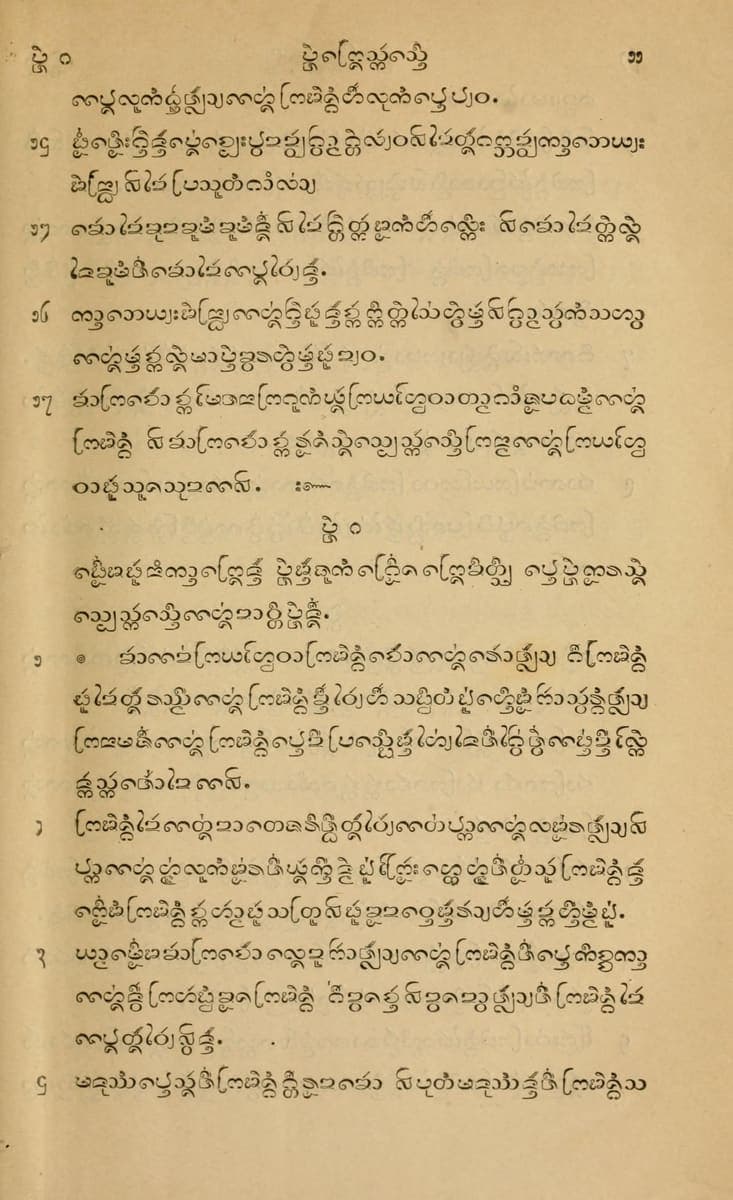
Princeton Theological Seminary Library, via Internet Archive, 1894 · Source · Public domain
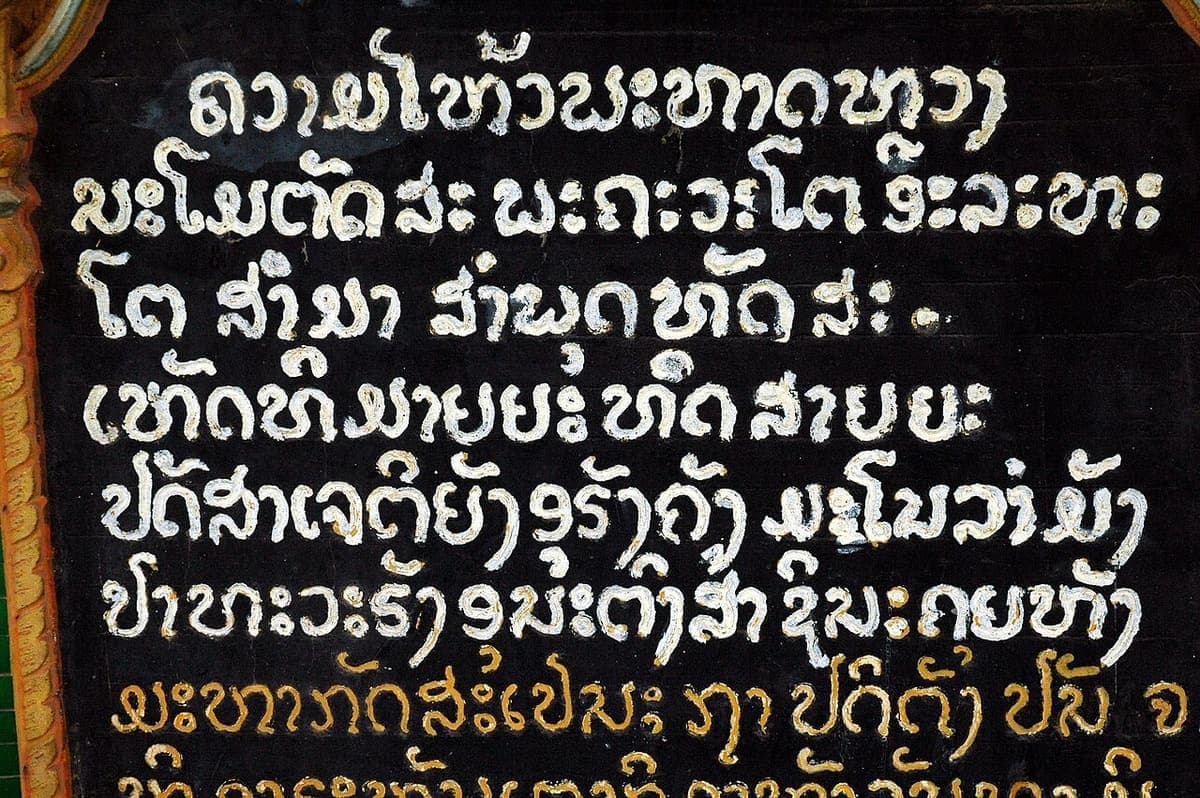
Source · CC BY-SA 4.0 · Jpatokal
Evidano Transcription
ຄວາມໄຫວ້ພະທາດຫຼວງ
ນະໂມຕັດສະ ພະຄະວະໂຕ ອະລະຫະ
ໂຕ ສຳມາ ສຳພຸດທັດສະ.
ເຫັດທິມາຍຍະທິດສາຍຍະ
ປັດສາເຈຕິຍັງອຸຣັງຄັງ ມະໂນວຳມັງ
ປາທະວະຣັງອນະຕັງສາ [?] ຊິນະຄຍທັງ [?]
ມະຫາກັດສະເປນະ ຖາ ປິຕັງ ປັນ ຈ
[cut off]
Generated by Evidano’s advanced model; not yet checked against a published edition.
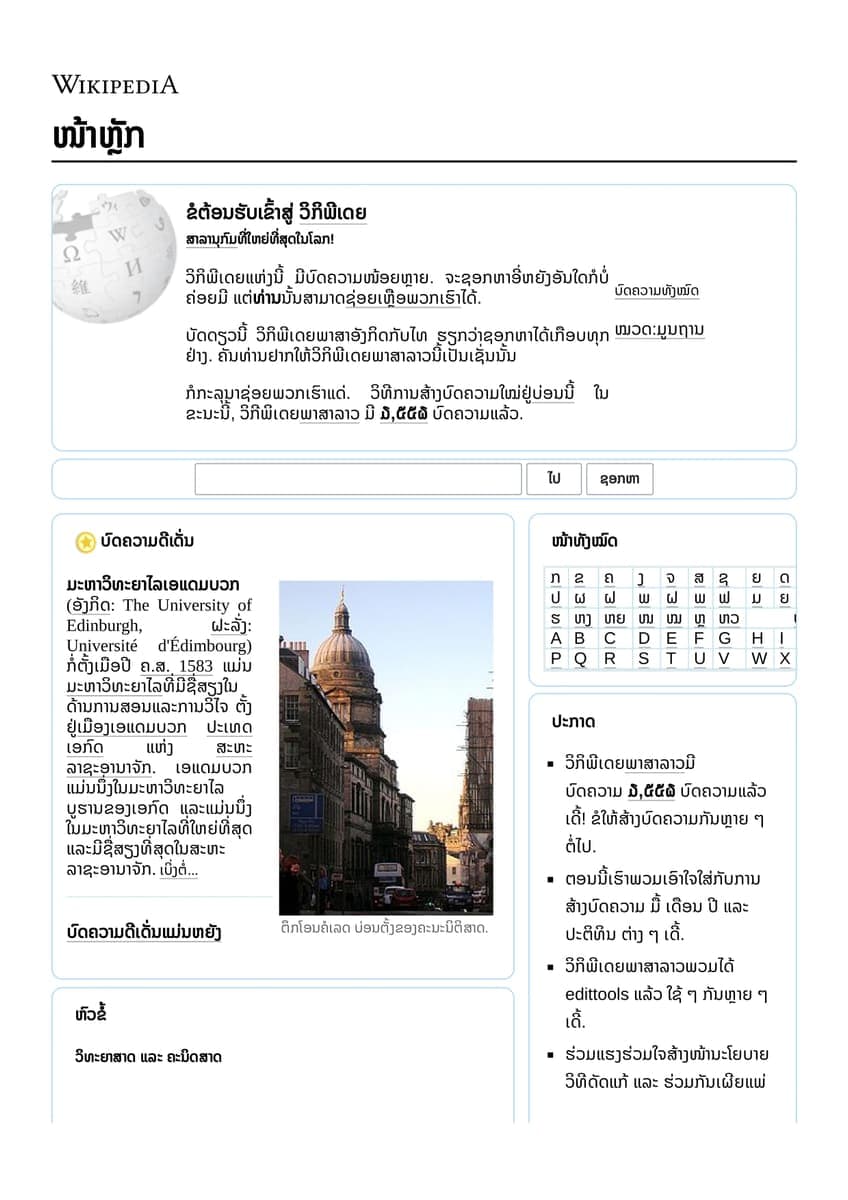
Wikimedia Foundation, via Internet Archive, 21 July 2020 · Source · CC BY-SA 3.0
Evidano Transcription
The welcome panel at the top of the screenshot and the search bar directly beneath it, including the two links in the panel’s right-hand cell and the two search-button labels. This is not a scholarly edition: it is the wiki source of the template that generated that panel, ແມ່ແບບ:ເລີ່ມຕົ້ນໜ້າຫຼັກ (titled ແມ່ແບບ:Mainpagebegin until 2023), at revision 71582 — the revision transcluded into ໜ້າຫຼັກ revision 85616, which was live on the day of the capture. Wiki link and bold markup have been removed, and the article-count magic word is given as the figure it rendered that day, ໓,໕໕໖. Line breaks follow the wiki source rather than the screenshot’s line wrapping. The featured-article, announcements and topic boxes lower down the page are not covered.
ຂໍຕ້ອນຮັບເຂົ້າສູ່ ວິກິພີເດຍ
ສາລານຸກົມທີ່ໃຫຍ່ທີ່ສຸດໃນໂລກ!
ວິກິພີເດຍແຫ່ງນີ້ ມີບົດຄວາມໜ້ອຍຫຼາຍ. ຈະຊອກຫາອີ່ຫຍັງອັນໃດກໍບໍ່ຄ່ອຍມີ ແຕ່ທ່ານນັ້ນສາມາດຊ່ອຍເຫຼືອພວກເຮົາໄດ້.
ບັດດຽວນີ້ ວິກິພີເດຍພາສາອັງກິດກັບໄທ ຮຽກວ່າຊອກຫາໄດ້ເກືອບທຸກຢ່າງ. ຄັນທ່ານຢາກໃຫ້ວິກິພີເດຍພາສາລາວນີ້ເປັນເຊັ່ນນັ້ນ
ກໍກະລຸນາຊ່ອຍພວກເຮົາແດ່.
ວິທີການສ້າງບົດຄວາມໃໝ່ຢູ່ບ່ອນນີ້
ໃນຂະນະນີ້, ວິກີພິເດຍພາສາລາວ ມີ ໓,໕໕໖ ບົດຄວາມແລ້ວ.
ບົດຄວາມທັງໝົດ
ໝວດ:ມູນຖານ
ໄປ
ຊອກຫາ
Source: Lao Wikipedia, ແມ່ແບບ:ເລີ່ມຕົ້ນໜ້າຫຼັກ, revision 71582 of 18 February 2019, transcluded on ໜ້າຫຼັກ revision 85616 (CC BY-SA 3.0).
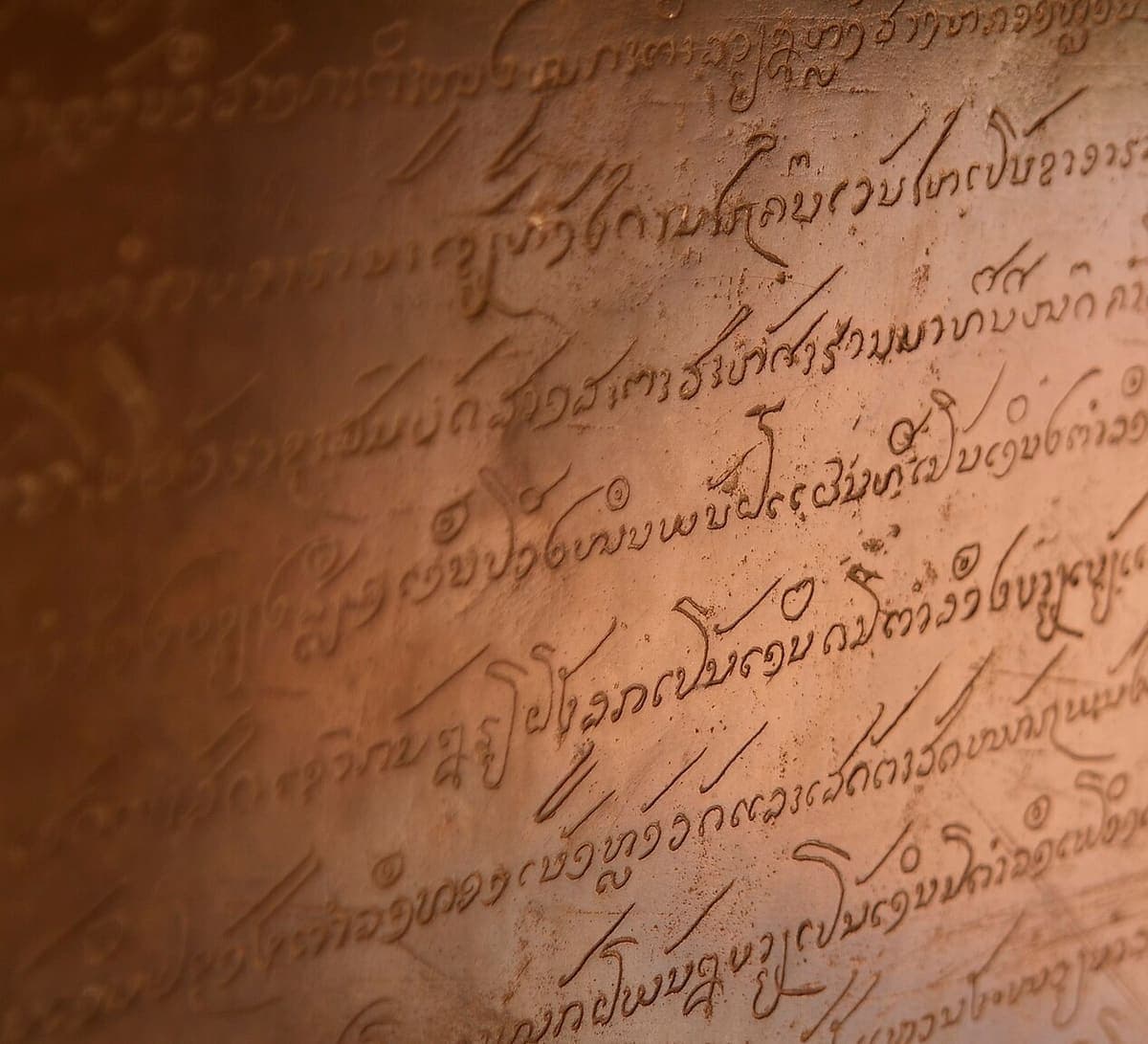
Source · CC BY-SA 4.0 · Ohbendy
What Lao text looks like on the page
The Lao alphabet grew out of the same family of Tai scripts as Sukhothai Thai, filtered through Khmer letterforms, and was in recognisable use by the time the Lao kingdom of Lan Xang was at its height in the sixteenth and seventeenth centuries. Everyday writing has always used a fairly plain, upright script; alongside it, a separate and visually distinct script called Tham (shared with the Tai Lanna tradition of northern Thailand) was reserved for Buddhist scripture copied onto palm leaf and stored in temple manuscript libraries such as Vientiane’s Wat Sisaket, so a single monastery’s holdings can mix the secular alphabet and the sacred one. The secular hand of that period is not the alphabet of a modern keyboard either: before type arrived, Lao was written in a looser, more slanted script now called Lao Buhan or Tai Noi, whose letters trail long tails and carry small ring-shaped marks above the line, and it survives on temple inscriptions and in secular manuscripts of the eighteenth and nineteenth centuries.
Lao is an abugida: a bare consonant carries an inherent vowel, and a vowel sign added above, below, in front of or wrapped around the consonant changes it, while a consonant’s tone class works together with a diacritic tone mark and vowel length to fix one of six tones. A handful of consonants are still written with a smaller ຫ placed before them purely to shift their tone class, a leftover of a device once used more widely. Lao has its own numerals and a repetition mark, ໆ, that stands in for a word repeated, and, like its neighbours, marks the end of a phrase or sentence rather than the end of each word, so a line of prose runs on without spaces inside it.
Spelling itself changed after 1975: the government of the new Lao People’s Democratic Republic dropped a set of consonant letters and clusters that had been kept only to preserve the etymology of Pali and Sanskrit loanwords, moving spelling closer to how words are actually said. A mission Bible or royal-government document printed before that reform carries letters and clusters a modern keyboard does not, so the same word can look noticeably different in an old book and in a current newspaper or web page.
Why ordinary OCR struggles here
No spaces between words
A Lao sentence is written as one continuous run of letters, broken only where the writer chooses to pause for a phrase or a clause. Software expecting word-spaced text either invents breaks that were never there or reads the whole line as a single unbroken token; getting it right means recognising Lao word structure rather than looking for gaps.
Two spellings for the same word
A pre-1975 text keeps consonant letters and clusters that modern Lao orthography dropped, so the same word can be spelled two different ways depending on when the page was printed. A model trained only on current spelling misreads the older letters as errors rather than as the valid, period-correct forms they are.
Tone marks, vowel signs and leading consonants stacked in one place
A single consonant can carry a vowel sign above it, a tone mark above that, and a small leading ຫ in front of it purely to set its tone class, all in the space of one letter. Recognition has to keep these apart rather than merging a tone mark into a vowel sign, or reading a tone-setting ຫ as a separate syllable.
Painted and gilded lettering on uneven surfaces
Temple signage and lacquered boards are painted by hand in gold or white on a dark ground, often on a curved or weathered surface and photographed at an angle, so the same letter can vary in thickness and proportion from one word to the next in a way no printed font does. An incised inscription sets the opposite problem: the strokes carry no colour at all and exist only as shallow grooves, legible from the shadow that raking light drops into them, which inverts as the surface turns away from the lamp.
Who works with this material
Temple manuscript libraries
Vientiane’s Wat Sisaket and other monastery libraries hold large collections of palm-leaf bailan copied in the Tham script, distinct from the everyday Lao alphabet, and cataloguing them starts with a reliable reading of each bundle’s title and content.
Historians and linguists working across the 1975 spelling reform
Comparing a royal-government document, a mission text or an old schoolbook against its modern counterpart means keeping the pre-reform consonant letters and clusters exactly as printed rather than silently updating them to current spelling.
Development and public-health programmes
Agencies producing or digitising Lao-language materials for rural health, education and agriculture need forms, posters and leaflets read accurately, including any mix of Lao numerals, Gregorian dates and place names.
Museums and heritage documentation
Temple signage, donor inscriptions and exhibition labels are usually photographed rather than scanned, at an angle and in uneven light, and a curator needs a reading that matches what is actually painted rather than a guess at a cleaner original.
Getting the best transcription
Say which spelling era the page belongs to
Tell the model whether the material predates the 1975 orthography reform, so obsolete consonant letters and clusters are transcribed as written rather than corrected to modern spelling.
Ask for the line as it runs, without invented spaces
Since Lao carries no spaces inside a phrase, ask for a straight transcription of each line and add word breaks only if you need them for a second, more readable pass.
Flag tone marks and leading consonants separately
Ask for tone marks, vowel signs and any tone-setting leading ຫ to be identified as what they are rather than folded into one glyph, particularly on a page where several of these sit stacked around a single consonant.
Test the hand-painted item first
Run a photograph of painted or carved lettering before a batch of printed pages. If the uneven strokes of a temple sign come back correctly, uniform print in the same batch needs only a light check.
Frequently asked questions
- Can it read Lao text that has no spaces between words?
- Yes. Word boundaries are recognised from Lao structure, not from gaps on the page, and you can ask for a transcription that keeps the source’s unbroken lines or one with word breaks added for readability.
- Does it know the difference between pre-1975 and modern Lao spelling?
- Yes, when you say which era the page is from. Pre-reform consonant letters and clusters are transcribed as printed rather than normalised to current orthography, so an old text and its modern reprint stay distinguishable.
- Are tone marks and vowel signs read correctly?
- Tone marks, vowel signs and the tone-setting leading ຫ are each recognised as their own mark, even where two or three of them cluster around one consonant, rather than being merged into a single guess.
- Can it read a photograph of a painted temple sign?
- Hand-painted or gilded lettering on lacquer, wood or stone is read as the hand it is, including uneven stroke widths and letters photographed at an angle, though heavily worn gilding may still need a specialist’s check.
- Does it handle the Tham script used for Buddhist manuscripts?
- Tham differs enough from the everyday Lao alphabet that it should be named explicitly in your prompt; ask for it by name so the reading is not attempted with the wrong script’s letterforms.
- Can it read Lao numerals and dates?
- Lao digits are transcribed as written, and a Gregorian equivalent can be added alongside them on request for indexing or database use.
Related scripts and pages
Transcribe your Lao documents
Upload a scan or a photograph — a printed page, a web capture or a signboard — and check the Lao transcription line by line before you export it.