
Tibetan
Tibetan read across print, pecha and cursive hands
Tibetan syllables stack consonants vertically rather than laying them out in a line, so a single character can hide two or three letters compressed above and below the main stroke, and a tight cursive hand can flatten that stack until the components blur together. The tsheg dot that separates one syllable from the next takes the place of a space, so a page can read as one long, unbroken string if that mark is missed. Evidano reads Tibetan across the headed dbu-can hand of print and formal manuscripts and the headless dbu-med cursive of everyday and ritual writing, keeping the source page alongside the reading.
Sample pages
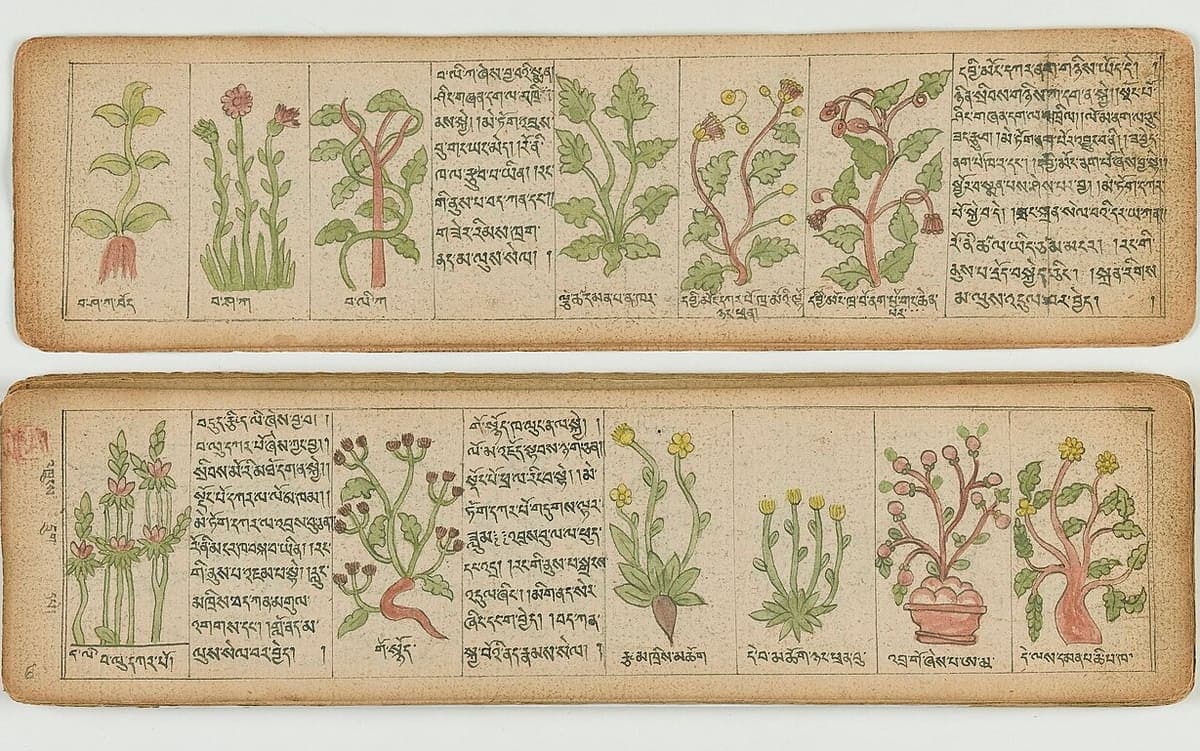
Evidano Transcription
བ་ཤ་ཀ་བོད་
བ་ཤ་ཀ་
བ་ལེ་ཀ་
བ་ལེ་ཀ་ཞེས་བྱ་བའི་སྨན།
ཤིང་གཞན་དག་ལ་འཁྲིལ་
ནས་སྐྱེ། །མེ་ཏོག་འབྲས་[?]
བུ་གང་ཡང་མེད། །རོ་ནི་
ཁ་ལ་རྩུབ་པ་ཡིན། །རང་
གི་ནུས་པ་བད་ཀན་དང་།
གཟེར་རིམས་ཁྲག་
ནད་མ་ལུས་སེལ། །
[label illegible]
[label illegible]
[label illegible]
དབྱི་མོང་དཀར་ནག་གཉིས་ཡོད་དེ། །
ཉིན་སྲིབས་[?]གཉིས་ཀ་དག་ན་སྐྱེ། །སྡོང་པོ་
ཤིང་གཞན་དག་ལ་འཁྲིལ། །ལོ་མ་ནག་ལ་ཅུང་
ཟད་རྩུབ། །མེ་ཏོག་[rest of line uncertain]
ནག་པོ་ཁྲ་[?]་དང་། །དབྱི་མོང་ནག་པོ་ཞེས་བྱ་སྟེ། །
[illegible] །མེ་ཏོག་དཀར་
པོ་སྐྱེ་བ་དེ། །[illegible]སེལ་བའི་དར་ཡ་ག་ན། །
རོ་ནི་ཚ་ལ་ཡིད་ཙམ་མངར། །རང་གི་
ནུས་པ་དྲོད་བསྐྱེད་ཅིང་། །སྐྲན་རིགས་
མ་ལུས་[illegible]་པར་བྱེད། །
[margin note illegible]
ད་ལི་བ་ལུ་དཀར་པོ་
བདུད་རྩི་ཕྱེད་[?]ལེ་ཞེས་བྱ་བ། །
བ་ལུ་དཀར་པོ་ཞེས་ཀྱང་བྱ། །
སྲིབས་མོ་རི་མཐོ་དག་ན་སྐྱེ། །
སྡོང་པོ་དཀར་ལ་ལོ་མ་ཁམ། །
མེ་ཏོག་དཀར་ལ་འབྲས་[illegible]
རོ་ནི་མངར་ལ་བསྐ་བ་ཡིན། །རང་
གི་ནུས་པ་[illegible] །རླུང་
མཁྲིས་[illegible]
[illegible]དང་། །གློ་ནད་མ་
ལུས་སེལ་བར་བྱེད། །
གོ་སྙོད་
གོ་སྙོད་ཁ་[?]ལུང་ནང་ལ་སྐྱེ། །
ལོ་མ་[illegible]
སྡོང་པོ་གྲུ་ལ་རིང་བ་སྐྱེ། །མེ་
ཏོག་དཀར་པོ་གདུགས་ལ་[illegible]
[illegible] །འབྲས་བུ་ལེབ་ལ་[illegible]
[illegible] །རང་གི་ནུས་པས་སྐྲན་
[illegible]ཞིང་། །མིག་ནད་སེར་
[illegible] །བད་ཀན་
སྐྱ་བོའི་ནད་རྣམས་སེལ། །
རྩ་མཁྲིས་མཆོག
དེ་ལ་མཆོག་ཉུང་[illegible]
[illegible]ཞེས་པ་ཨ་མ་
དེ་ལས་དམན་པ་[illegible]
Generated by Evidano’s advanced model; not yet checked against a published edition.
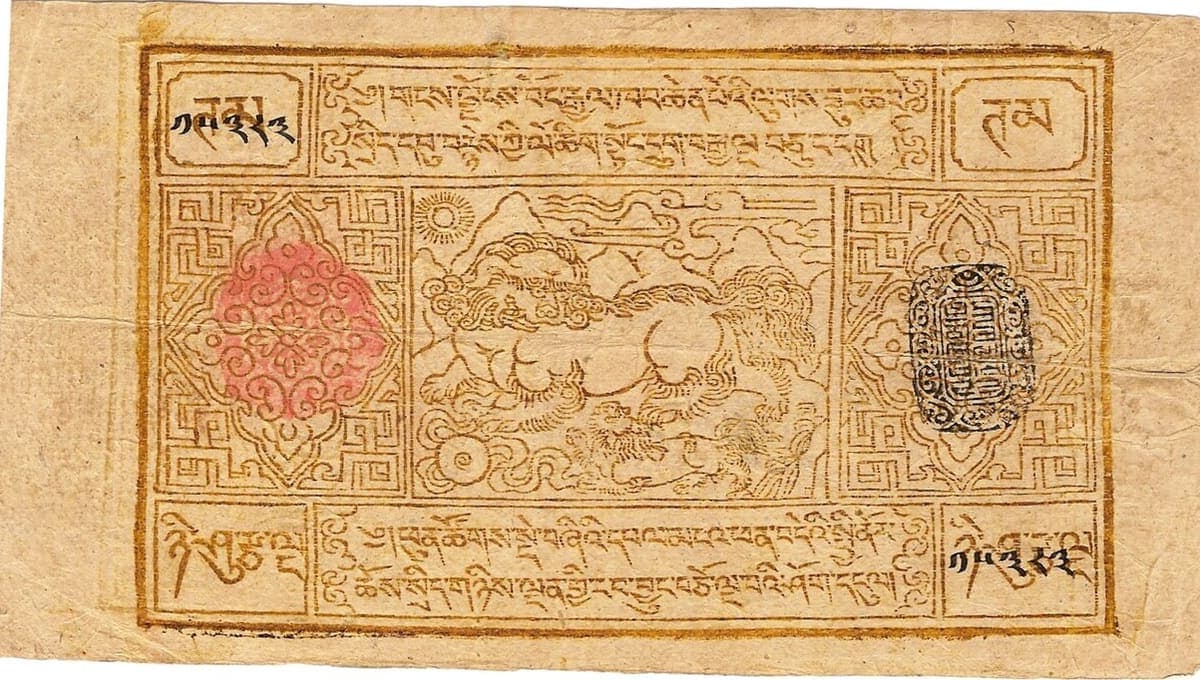
Source · CC BY-SA 3.0 · Clemensmarabu
Evidano Transcription
༡༥༣༦[?]༣
ཏམ
༄༅། །གངས་ལྗོངས་བོད་རྒྱལ་ཁབ་ཆེན་པོའི་ལུགས་[?]ཟུང་ཆབ་[?]
སྲིད་དབུ་བརྙེས་ཀྱི་ལོ་ཆིག་སྟོང་[numeral wording uncertain]
ཏམ
[seal] [seal]
ཉི་ཤུ་རྩ་ལྔ
༄༅། །ཕུན་ཚོགས་སྡེ་བཞིའི་དཔལ་ལ་མངའ་[rest of line uncertain]
ཆོས་སྲིད་གཉིས་ལྡན་གྱི་[illegible]བཅོ་ལྔ་[?]བའི་ཤོག་དངུལ།
༡༥༣༦[?]༣
ཉི་ཤུ་རྩ་ལྔ
Generated by Evidano’s advanced model; not yet checked against a published edition.

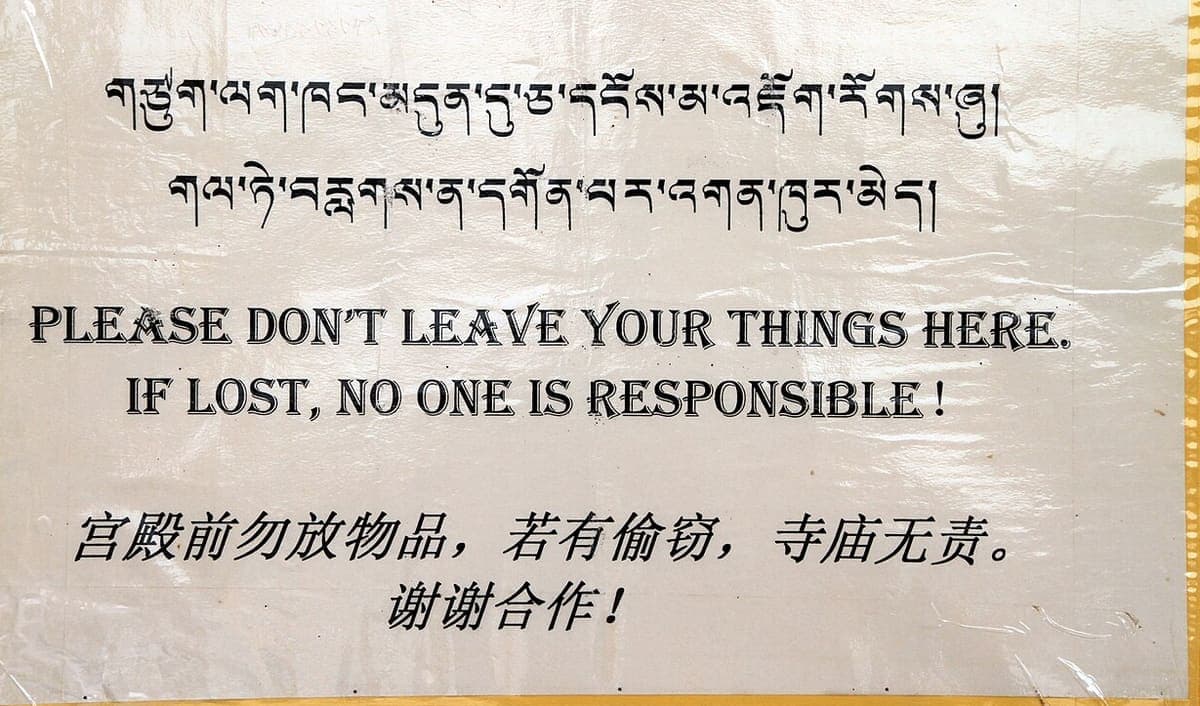
Evidano Transcription
གཙུག་ལག་ཁང་མདུན་དུ་ཅ་དངོས་མ་འཇོག་རོགས་ཞུ།
གལ་ཏེ་བརླགས་ན་དགོན་པར་འགན་ཁུར་མེད།
PLEASE DON'T LEAVE YOUR THINGS HERE.
IF LOST, NO ONE IS RESPONSIBLE !
宫殿前勿放物品,若有偷窃,寺庙无责。
谢谢合作!
Generated by Evidano’s advanced model; not yet checked against a published edition.
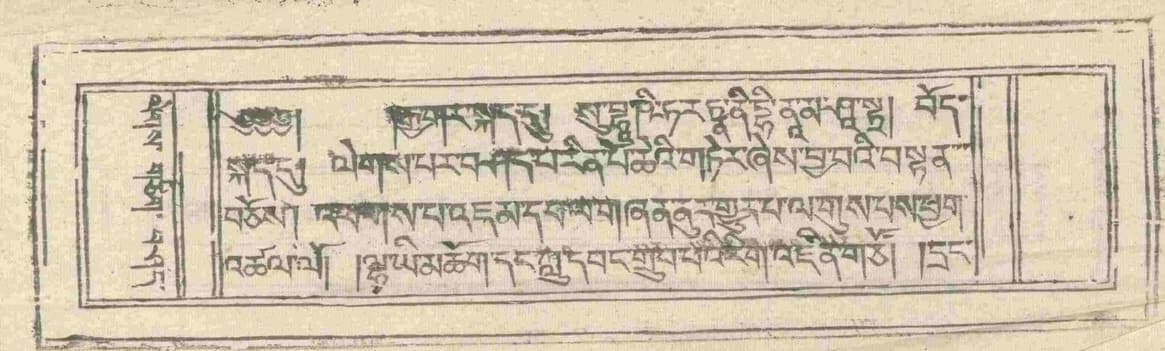
Kumbum Jampa Ling monastery edition, digitised by the Buddhist Digital Resource Center, text composed 13th century · Source · Public domain
Evidano Transcription
The four lines of the framed text block, in the proofread text of the multilingual Wikisource (page quality 3, proofread), checked here against the scan. It is given as one continuous run: the leaf’s four line breaks are not marked, the ornamental head-mark that opens line 1 is rendered as a single ༈, and the run of tshegs inside bstan bcos is the line-end padding of the print, kept as Wikisource prints it. The text stops mid-line at drang, where the leaf ends and the next one takes up. The small title and folio number in the left margin panel are not included.
༈ རྒྱ་གར་སྐད་དུ། སུ་བྷྰ་ཥི་ཏརཏྣ་ནི་དྷི་ནྰ་མ་ཤྰ་སྟྲ། བོད་སྐད་དུ། ལེགས་པར་བཤད་པ་རིན་པོ་ཆེའི་གཏེར་ཞེས་བྱ་བའི་བསྟན་་་བཅོས། འཕགས་པ་འཇམ་དཔལ་གཞན་ནུར་གྱུར་པ་ལ་གུས་པས་ཕྱག་འཚལ་ལོ། །ལྷ་ཡི་མཆོག་དང་ཀླུ་དབང་གྲུབ་པའི་རིག་འཛིན་གཙོ། །དྲང་
Source: Page:ལེགས་པར་བཤད་པ་རིན་པོ་ཆེའི་གཏེར།.pdf/2, via Wikisource (multilingual) (Public domain).
What Tibetan writing looks like
The Tibetan script was adapted in the seventh century from an Indic model, most likely a Gupta-era Brahmi script from north India, to write a language whose syllables can stack up to four consonants around a vowel. A syllable is built around a base letter, with prefixed, superscribed and subscribed consonants added above, below and before it and a vowel sign placed above or below the stack, so that the printed height of one syllable can be two or three times that of a simple one; many of those stacked consonants are no longer pronounced but are kept in spelling, which is why Tibetan orthography looks far more consonant-heavy than the spoken language sounds. Syllables, not words, are the unit the script actually marks: each is followed by a small raised dot, the tshag or tsheg, and a longer vertical stroke, the shad, closes a phrase or a line the way a comma or full stop would.
Two broad families of letterform exist side by side. Dbu-can, "headed" script, gives every letter a flat top stroke and is used for xylograph and modern print, for formal manuscript copies of canonical texts, and for careful modern handwriting; it is the hand most stone inscriptions, block prints and printed books use. Dbu-med, "headless" script, drops that top stroke and rounds the letters into a faster, more connected hand used for everyday correspondence, monastic notes, contracts and administrative documents, and it in turn covers several named styles from the relatively legible tshugs-ring and tshugs-thung to the very fast, looping mgyogs-yig used for informal notes. Most Tibetan books are not bound codices but loose-leaf pechas: long, wide rectangular leaves stacked unbound between wooden covers, printed or written on one or both sides with wide blank margins at the ends of each line and, often, a leaf number and short title written in the left margin.
Why ordinary OCR struggles here
Stacked consonant clusters, not a line of letters
A single syllable can pile a prefix, a superscript and a subscript letter above and below its base consonant, so recognising the syllable means reading a small vertical stack rather than a left-to-right sequence, and a stack read in the wrong order produces a different, equally plausible-looking syllable.
The tsheg is doing the work of a space
Tibetan is written with no space between words, only the small tsheg dot between syllables, so an engine that treats that dot as punctuation to discard rather than a boundary to keep collapses a page into one unsegmented run of syllables with no way to recover where words begin and end.
Dbu-med cursive rounds the stack until it flattens
In a fast dbu-med hand, the same stacked consonants that stand apart clearly in dbu-can print round together into a single connected shape, and several distinct dbu-can letters converge on near-identical dbu-med forms; recognition trained mainly on printed dbu-can has no model for how those shapes correspond.
Wide pecha margins and marginal notation
A pecha leaf’s wide blank margins routinely carry a short title, a volume letter or a leaf number in small script set apart from the main text block, and a scan that treats the whole leaf as one text region either merges the margin note into the body or loses it as background.
Who works with this material
Buddhist canon and manuscript scholars
The Kangyur and Tengyur, monastic commentarial literature and medical treatises such as the Four Tantras survive across many pecha editions with real textual variation between them. A working transcription of a specific print or manuscript copy, with stacked consonants read correctly and marginal leaf numbers kept separate from the body text, gives a scholar a base to collate before a critical edition begins.
BDRC and library digitisation projects
Large-scale digitisation of Tibetan pechas by institutions such as the Buddhist Digital Resource Center produces page images far faster than they can be read. A first-pass transcription that segments syllables correctly at the tsheg saves the bulk of the manual work before a cataloguer or editor reviews the text.
Tibetan medicine and astrology practitioners
Materia medica manuscripts, astrological calendars and ritual texts remain in active use in Tibetan medical and monastic institutions, often surviving as single manuscript or block-print copies. Readable transcriptions of the plant names, formulas and dates in these texts support both practice and preservation.
Diaspora archives and heritage documentation
Tibetan communities in India, Nepal and further abroad hold personal letters, monastic records and public notices in both dbu-can and dbu-med hands. Documenting this material for community archives means reading everyday cursive alongside formal print from the same collection.
Getting the best transcription
Say whether the hand is dbu-can or dbu-med
Naming which of the two letterform families a page uses, and whether the dbu-med is a careful or a fast, looping hand, focuses attention on the right set of letterform distinctions rather than expecting print-style clarity from a cursive note.
Ask for tsheg and shad to be kept as syllable and phrase boundaries
State that these marks divide the text and should not be dropped as noise; keeping them is what makes the output segmentable into words and phrases afterwards rather than one unbroken string of syllables.
Flag stacked consonant clusters for review
For a syllable with an unusual or damaged stack, ask for the reading to be marked as uncertain rather than resolved silently, since a misread prefix or subscript changes the syllable to a different, equally valid one that only a reader checking the image would catch.
Treat pecha margins as a separate zone
Ask for a leaf’s marginal title and folio number to be transcribed separately from the main text block, so that a running series of pecha leaves can be kept in the correct order without the margin note being folded into the body text.
Frequently asked questions
- Can it read stacked consonant clusters correctly?
- Yes, prefixed, superscribed and subscribed letters are read as the vertical stack they form rather than as separate characters in a line, and a stack that is genuinely ambiguous from damage or a fast hand is flagged rather than resolved by guesswork.
- Does it keep the tsheg dots between syllables?
- By default, yes, since they are the only marker of syllable boundaries in Tibetan; you can ask for them converted to spaces between words for a more modern-looking output, applied consistently across a batch.
- Can it read dbu-med cursive as well as printed dbu-can?
- It reads both hands, and naming which one a page is in — and how fast or informal the dbu-med is — helps it apply the right letterform expectations rather than treating cursive as damaged print.
- How are pecha margin notes and folio numbers handled?
- They are transcribed as a separate element from the main text block by default, so a leaf’s running order can be reconstructed from the folio numbers without the margin note breaking up the body text.
- Can it read Tibetan numerals and the old currency and calendar systems?
- Yes, Tibetan numerals are recognised as their own character set distinct from the letters, and dates given in the Tibetan calendar or old currency denominations are transcribed as written rather than silently converted.
Related scripts and pages
Turn your Tibetan sources into text
Upload a pecha leaf, a manuscript, a printed page or a photographed sign, and check the Tibetan reading against the image in either hand.