
Mongolian
Mongolian read in either of its two scripts
Traditional Mongolian script runs down the page rather than across it, in columns that proceed left to right, and several of its letters share one shape in the middle of a word, told apart only by the vowels around them. Since 1941 most everyday Mongolian has instead been written in Cyrillic with two extra vowel letters Russian does not use, so an archive box or even a single banknote can carry both systems side by side. Evidano reads Mongolian in either script, keeping the column or line order and the source image next to the reading.
Sample pages
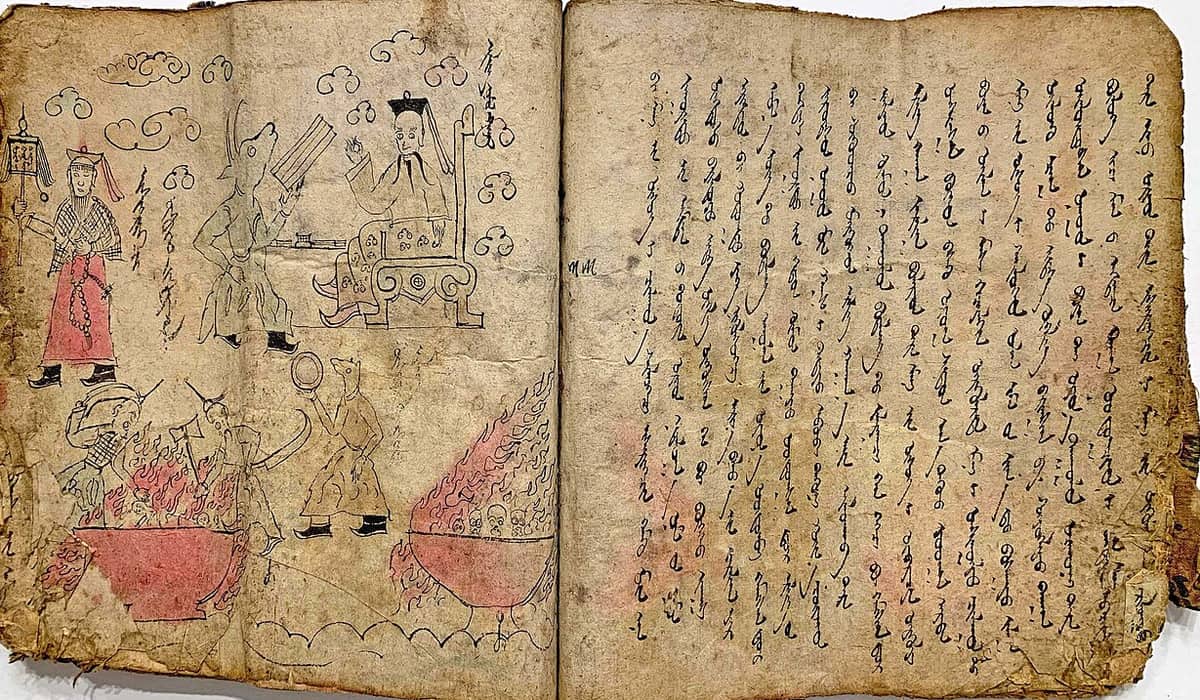
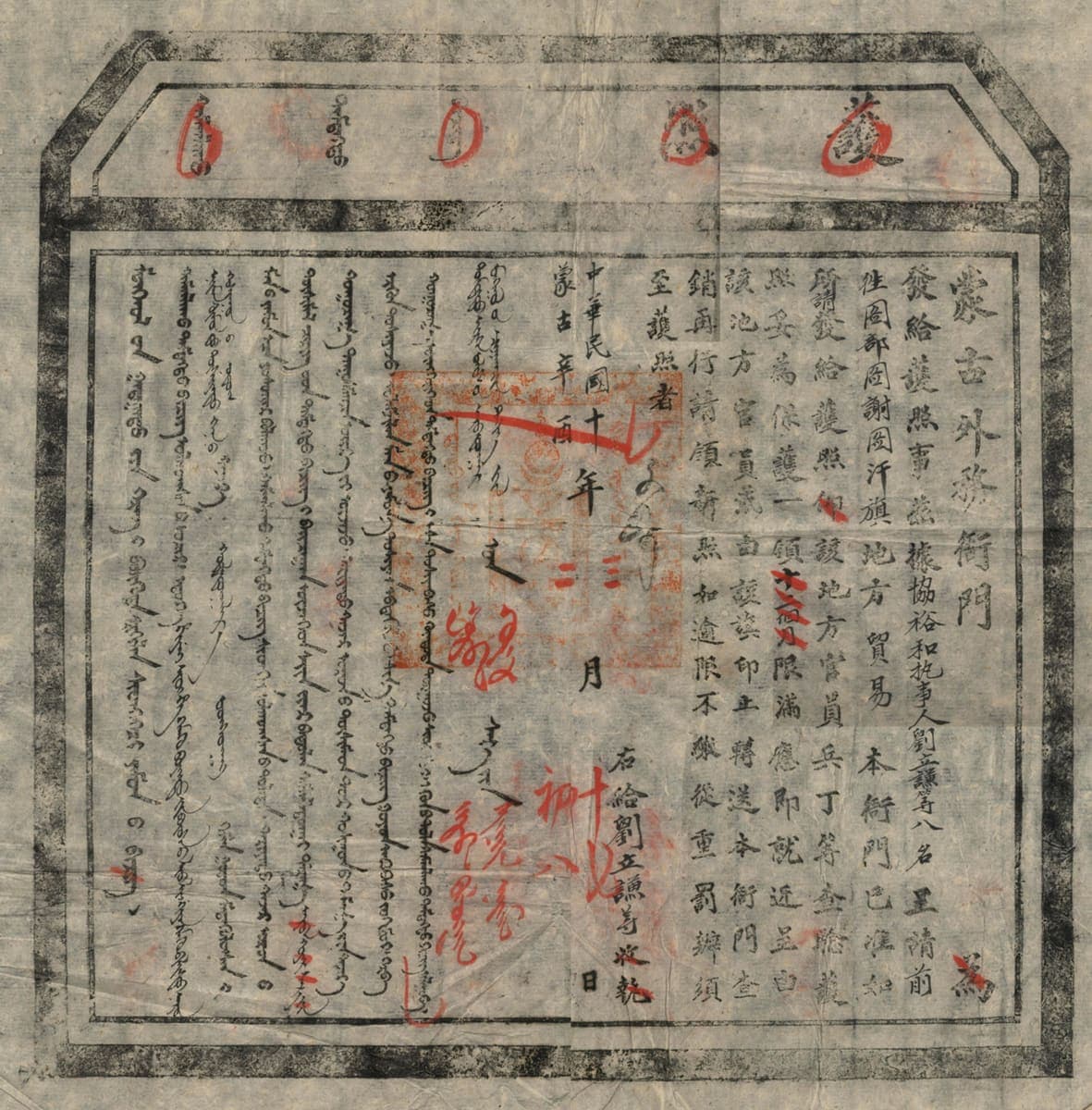
Source · Public domain · Hong Kong Enchère
Evidano Transcription
蒙古外務衙門 為
發給護照事茲據協裕和執事人劉立讓等八名呈請前
往圖部圖謝圖汗旗地方貿易本衙門已准如
所請發給護照仰該地方官員兵丁等查驗護
照妥為保護一領[handwritten: 十個月 (?)]限滿應即就近呈由
該地方官員或[?]由該處印上轉送本衙門查
銷再行請領新照如逾限不繳從重罰辦須
至護照者
中華民國十年[red: 二]月[red: 初八 (?)]日
蒙古辛酉
右給劉立讓等收執
[Mongolian text (top margin and left columns): not transcribed]
Generated by Evidano’s advanced model; not yet checked against a published edition.
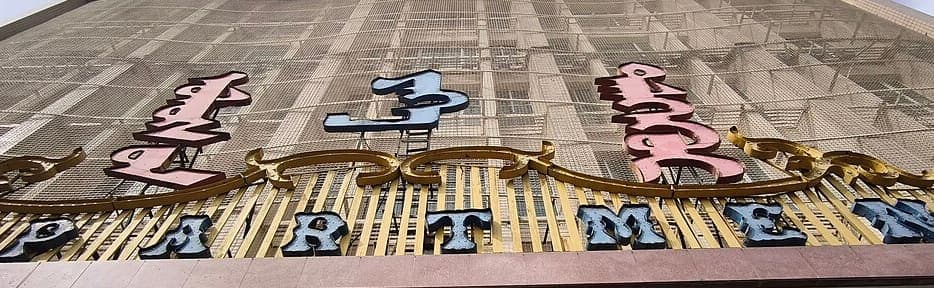
Source · CC BY-SA 4.0 · K.F.
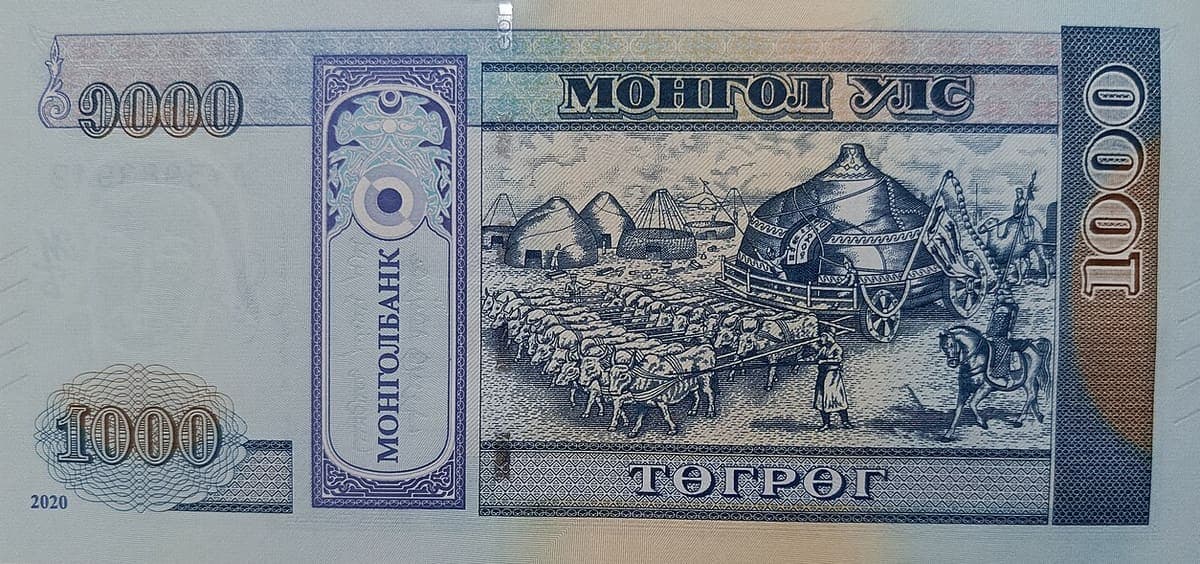
Evidano Transcription
1000 МОНГОЛ УЛС 1000
МОНГОЛБАНК
1000
ТӨГРӨГ
2020
Generated by Evidano’s advanced model; not yet checked against a published edition.
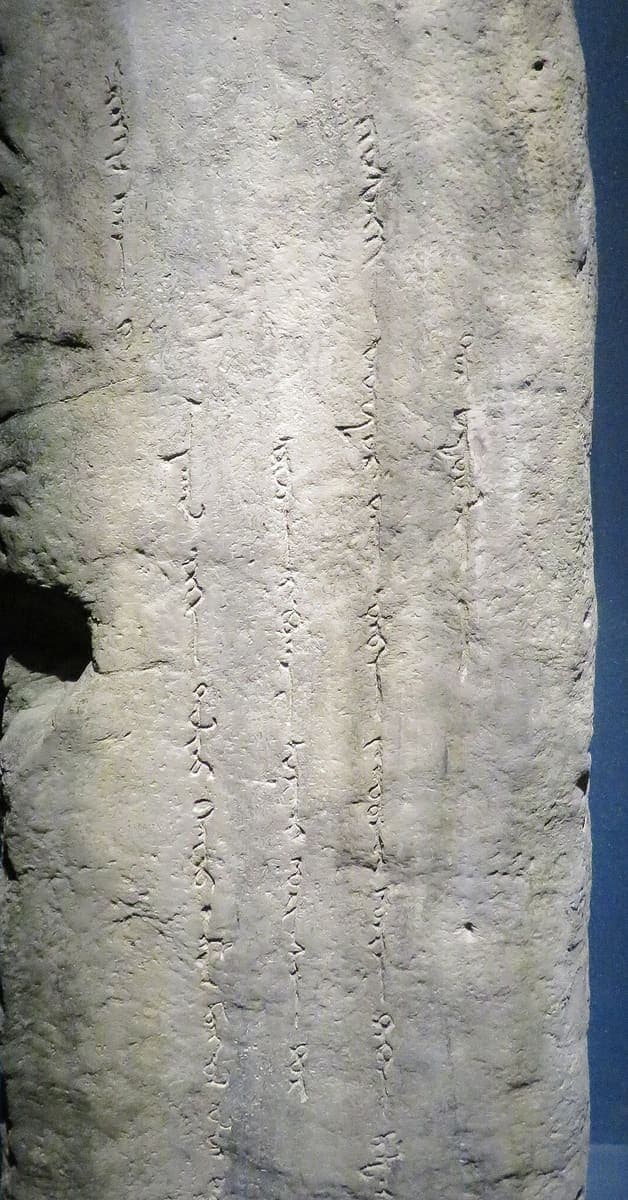
Inner Mongolia Museum, Hohhot, inscription c. 1225; photographed 27 September 2017 · Source · CC BY-SA 3.0 · BabelStone
Evidano Transcription
All five columns of the inscription, in the classical Mongolian script text published on the multilingual Wikisource, whose line division follows the stone. Alongside it that page prints a Latin transliteration (Činggis qan-i / Sartaɤu:l irge daɤu:liju baɤu:ju Qamuɤ Mongɤol ulus-un / noyad-i Buqa sočiqai quriɤsan dur / Yisüngke ontudur-un ɤurban jaɤu:d ɤučin tabun aldas / tur ontudulaɤ-a:) and a rendering into modern Cyrillic Mongolian, neither of which is reproduced here. The stone photographed is the Inner Mongolia Museum’s full-size copy, which carries the same five lines as the original in the Hermitage.
ᠴᠢᠩᠭᠢᠰ ᠬᠠᠨ ᠤ ᠰᠠᠷᠲᠠᠭᠤᠯ ᠢᠷᠭᠡᠨ ᠳᠠᠭᠠᠭᠤᠯᠢᠵᠤ ᠪᠠᠭᠤᠵᠤ ᠬᠠᠮᠤᠭ ᠮᠣᠩᠭᠣᠯ ᠤᠯᠤᠰ ᠤᠨ ᠨᠣᠶᠠᠳ ᠢ ᠪᠤᠬᠠ ᠰᠣᠴᠢᠬᠠᠢ ᠬᠤᠷᠢᠭᠰᠠᠨ ᠳᠤᠷ ᠢᠰᠦᠩᠬᠡ ᠣᠨᠲᠤᠳᠤᠷᠤᠨ ᠭᠤᠷᠪᠠᠨ ᠵᠠᠭᠤᠳᠤ ᠭᠤᠴᠢᠨ ᠲᠠᠪᠤᠨ ᠠᠯᠳᠠᠰ ᠲᠤᠷ ᠣᠨᠲᠤᠳᠤᠯᠭᠠ᠃
Source: Чингисийн чулууны бичиг, via Wikisource (multilingual) (Public domain).
What Mongolian writing looks like
The traditional script was adapted early in the thirteenth century from the Uyghur alphabet, itself derived from Sogdian and ultimately Aramaic writing, and it has been used for Mongolian ever since: Yuan-dynasty decrees, the Buddhist Kanjur and Tanjur translated from Tibetan, Qing-era administrative correspondence, and the printed books and newspapers of the early twentieth century. It is written top to bottom in vertical columns that read left to right across the page — the opposite column order from Chinese, which is also written vertically alongside it on many historical bilingual documents. Letters join along a vertical stem and change shape depending on whether they open, continue or close a word, so the same base letter can look quite different at the top, in the middle and at the foot of its column; several of the medial forms are genuinely ambiguous on their own and are read correctly only with the help of Mongolian vowel harmony, which restricts which vowels can appear together in one word. A separate clear script, todo bichig, was designed in the seventeenth century for the Oirat dialects and is still used by Oirat and Kalmyk communities.
In 1941 the Mongolian People’s Republic adopted the Cyrillic alphabet for everyday use, adding Өө and Үү for two vowels Russian does not distinguish, and Cyrillic has been the ordinary script of the Mongolian state and its schools, newspapers and government paperwork ever since; Mongols in Inner Mongolia, part of China, kept the traditional vertical script instead and still use it as their official written form today. Since Mongolia’s 1990 transition the traditional script has been revived for symbolic and ceremonial use — building facades, national emblems, banknotes and street signage often carry it again, sometimes as the only script and sometimes beside Cyrillic — while ordinary administrative and personal writing has stayed in Cyrillic. A reader can therefore meet either script, or both together, in a single modern building or a single wallet.
Why ordinary OCR struggles here
Letters that only vowel harmony can tell apart
Several traditional-script letters share an identical or near-identical medial form and are distinguished only by which vowels are allowed to appear in the same word under Mongolian vowel harmony. Reading them correctly means reasoning about the whole word rather than matching one glyph shape, which a generic character-by-character recognizer has no way to do.
A column, not a line, and the opposite order from Chinese
Traditional Mongolian runs top to bottom, and its columns proceed left to right, the reverse of the vertical Chinese text it is frequently paired with on the same historical document. An engine expecting horizontal lines, or expecting the Chinese column order, misreads the layout before it even reaches the letters.
Two scripts, sometimes on the same object
A modern building, banknote or sign may carry the traditional vertical script, Cyrillic, or both together, and a document from the 1940s transition period can mix the two within one file. Recognising which script a given block is in has to happen before recognition of the letters themselves can start.
Cyrillic Mongolian is not Russian Cyrillic
The letters Өө and Үү, and Mongolian’s own spelling conventions built on vowel harmony, are routinely mapped onto the nearest Russian letter or "corrected" by engines trained mainly on Russian text, which silently turns a real Mongolian word into a misspelling of a similar Russian one.
Who works with this material
Buddhist canon and manuscript scholars
The Mongolian Kanjur and Tanjur, along with popular narrative and medical manuscripts such as Čoyijid Dagina, survive in variant copies scattered across monastic, museum and private collections. A working transcription of the vertical script, with ambiguous letters flagged rather than silently resolved one way, lets a scholar compare copies before committing to a critical reading.
Archives and genealogy researchers
Qing-era administrative correspondence, Bogd Khaanate-period permits and early twentieth-century records are frequently bilingual, with Mongolian in the traditional script running beside Chinese or Manchu in its own direction. Indexers need each script block read on its own terms, not merged into one garbled line.
Inner Mongolia heritage and bilingual signage projects
In Inner Mongolia the traditional vertical script remains the official written form for Mongolian, appearing on shopfronts, road signs and public notices beside Chinese and, less often, Cyrillic. Recording this signage for language documentation or heritage projects means reading three scripts with three different layouts from one photograph.
Mongolian offices and businesses processing Cyrillic paperwork
Contracts, registers and forms in Mongolia itself are typed or handwritten in Cyrillic. What these offices need is Mongolian read as Mongolian, with Өө and Үү kept distinct from О and У, not a text quietly corrected toward the nearest Russian spelling.
Getting the best transcription
Say which script, and which direction, before anything else
State whether the source is traditional vertical script, Cyrillic, or both, and for traditional script confirm the column order runs left to right down the page. A photograph taken at an angle or a scan rotated for a Chinese-Mongolian bilingual sheet is worth flagging explicitly.
Ask for ambiguous medial letters to be marked, not guessed
Where a traditional-script letterform could be read two ways depending on vowel harmony, ask for the uncertain reading to be marked in the output alongside the alternative, so a reader fluent in the language can resolve it rather than the transcription silently picking one.
Keep Cyrillic Mongolian’s own letters and spelling
Tell the prompt to preserve Өө and Үү as distinct letters and to transcribe Mongolian spelling as written rather than normalising toward Russian equivalents, especially on handwriting where the extra strokes on those letters are easy to lose.
Split bilingual documents by script block
For Chinese-Mongolian or Cyrillic-and-traditional-script material, ask for each script to come out as its own labelled block in its own reading order, rather than interleaved line by line, so a seal or a Chinese column does not get folded into the Mongolian text.
Frequently asked questions
- Can it read the traditional vertical Mongolian script, top to bottom?
- Yes. Columns are read in their proper top-to-bottom, left-to-right order rather than being treated as horizontal lines, and the reading direction is kept distinct from any Chinese text running alongside it in the opposite column order.
- How does it handle letters that look the same in the middle of a word?
- Ambiguous medial letterforms are resolved using the surrounding vowels and Mongolian vowel harmony where possible, and marked as uncertain rather than silently guessed when the word does not settle the question on its own.
- Does it keep Cyrillic Mongolian’s Өө and Үү separate from Russian letters?
- Yes. Those two letters, and Mongolian’s vowel-harmony spelling more generally, are transcribed as written rather than corrected toward the nearest Russian word, which is the most common way Cyrillic Mongolian gets silently mishandled.
- Can it read a document that mixes Mongolian with Chinese or Manchu?
- Each script is read in its own layout and direction, and you can ask for the scripts to be returned as separate labelled sections so a seal, a Chinese column or a Manchu endorsement is not merged into the Mongolian text.
- Does it support the Oirat clear script, todo bichig, as well?
- Todo bichig’s distinct vowel and consonant marks are recognised as the separate system they are rather than treated as irregular traditional-script letters; naming which of the two scripts a page uses helps where a folio is otherwise ambiguous.
Related scripts and pages
Turn your Mongolian sources into text
Upload a manuscript page, an official document, a photographed sign or a scanned form, and check the Mongolian reading against the image in either script.