
Armenian
Armenian read across three historical hands
Several letters of the thirty-eight-letter alphabet are told apart only by a small hook, a loop that closes or stays open, or how far a stroke climbs above the line, so a worn photocopy or a fast hand erases exactly the distinction that matters. The ligature և folds two letters into a shape that a letter-by-letter reader never expects, and a raised horizontal stroke over a word can mean an abbreviation rather than an accent. Evidano reads Armenian from carved erkatagir capitals through looping bolorgir and notrgir book hands to today’s printed page and keeps the source image alongside the reading.
Sample pages
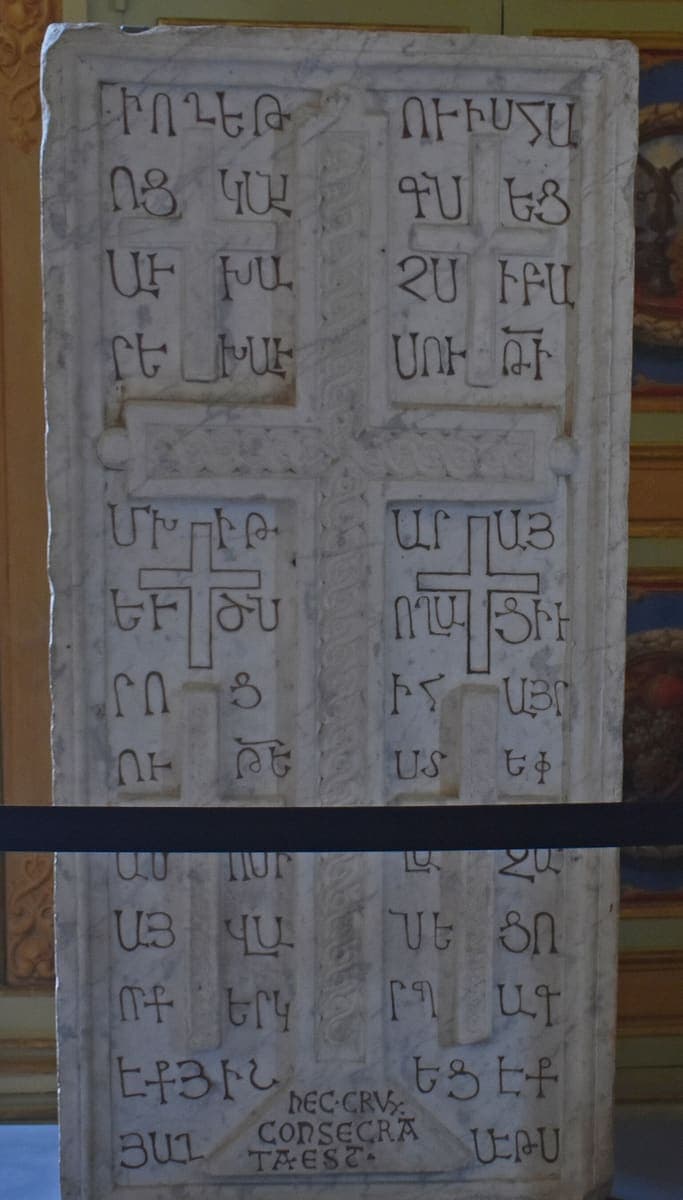
Evidano Transcription
ԻՈՂԵԹ
ՈՑ ԿԱԶ[?]
ԱՒ ԽԱ
ՐԵ ԽԱՒ
ՄԻ[?] ԻԹ
ԵՒ ԾՍ
ՐՈ Ց
ՈՒ ԹԷ
ԱՍ ՈՒՐ[?] [partly hidden]
ԱՅ ԿԱ
ՈՔ ԵՐԿ
ԷՔՅԻՇ[?]
ՅԱՂ
ՈՒԻՍՀ[?]Ա
ԳՍ ԵՑ
ՉՍ ԻԲԱ
ՍՈՒ ԹԻ
ԱՐ ԱՅ
ՈՂԱ ՑԻՒ
Ի Հ ԱՅՐ
ՍՏ ԵՓ
[partly hidden] ԶԱ[?]
ՆԵ ՑՈ
ՐԳ ԱԳ
ԵՑ ԷՔ
ԱԹՍ
HEC·CRVX·
CONSECRA
TA EST·
Generated by Evidano’s advanced model; not yet checked against a published edition.
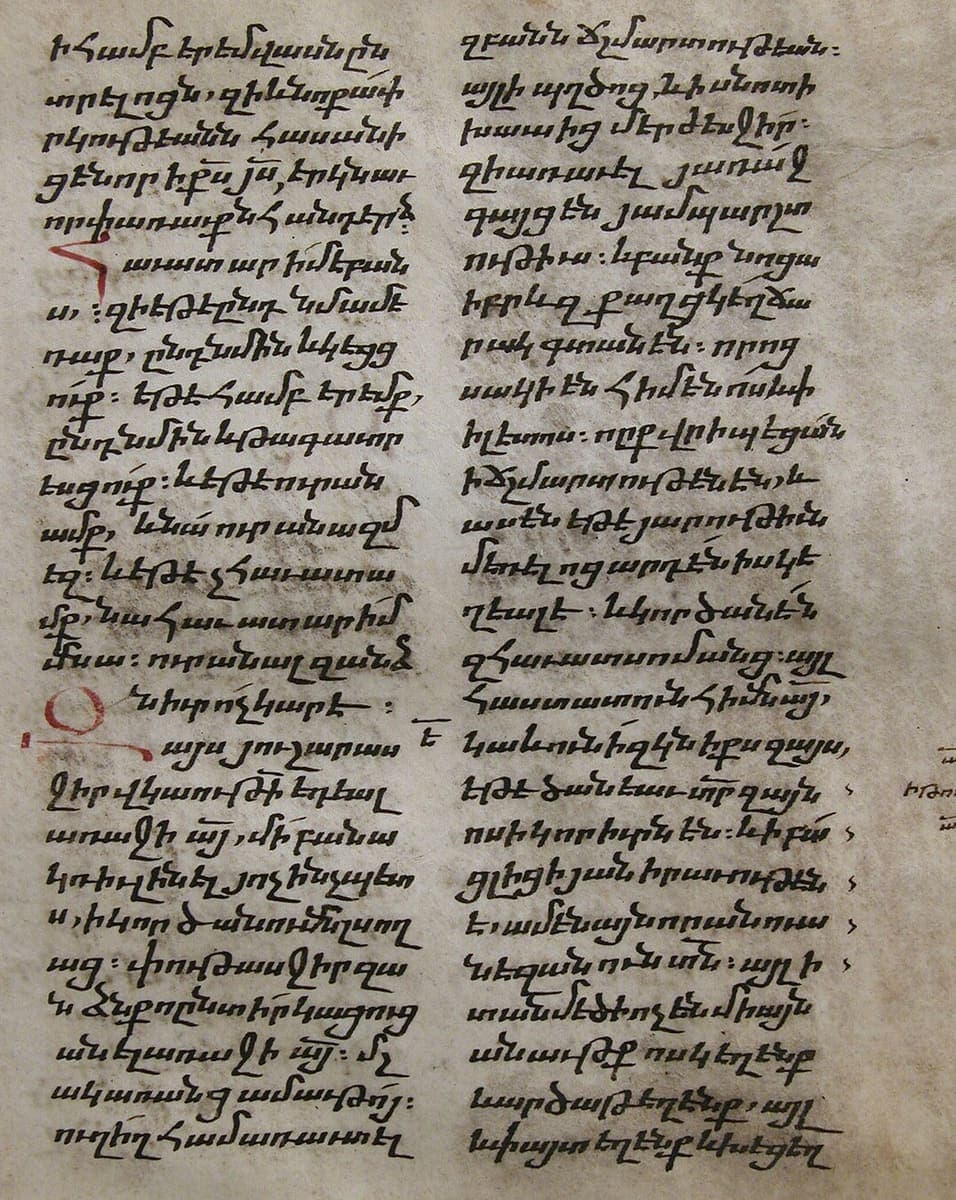
Metropolitan Museum of Art, New York (acc. 2009.65), 15th–16th century · Source · CC0 1.0
Evidano Transcription
ի համբերեմ վասն ըն
տրելոցն, զի և նոքա փ
րկութեանն հասանի
ցեն որ ի ք[րիստո]ս յ[իսու]ս, երկնաւ
որ փառօքն հանդերձ։
\Հ/աւատարիմ է բան
ս։ զի եթէ ընդ նմա մե
ռաք, ընդ նմին և կեցց
ուք։ եթէ համբերեմք,
ընդ նմին և թագաւոր
եսցուք։ և եթէ ուրան
ամք, և նա ուրանա զմ
եզ։ և եթէ չհաւատա
մք, նա հաւատարիմ
մնա։ ուրանալ զանձ
ն իւր ոչ կարէ։
Զայս յուշ արաս
ջիր վկայութ[իւն] եդեալ
առաջի ա[ստուծո]յ, մի բանա
կռիւ լինել յոչ ինչ պէտ
ս, ի կործանումն լսող
աց։ փութասջիր զա
նձն քո ընտիր կացուց
անել առաջի ա[ստուծո]յ։ մշ
ակ առանց ամօթոյ։
ուղիղ համառօտել
զբանն ճշմարտութեան։
այլ ի պղծոց և ի սնոտի
խօսից մերժեսջիր։
զի առաւել յառաջ
գայցեն յամպարշտ
ութիւնս։ և բանք նոցա
իբրև զքաղցկեղ ճա
րակ գտանեն։ որոց
սակի են հիմենոս և փ
իլետոս։ որք վրիպեցան
ի ճշմարտութենէն. և
ասեն եթէ յարութիւն
մեռելոց արդէն իսկ ե
ղեալ է։ և կործանեն
զհաւատս ոմանց։ այլ
հաստատուն հիմն \է/ ա[ստուծո]յ,
կա և ունի զկնիքս զայս,
եթէ ծանեաւ տ[է]ր զայն ,
ոսիկ որ իւրն են։ և ի բա ,
ց լիցի յանիրաւութենէ,
և ամենայն որ անուա ,
նէ զանուն տ[եառ]ն։ այլ ի ,
տան մեծի ոչ են միայն
անօթք ոսկեղէնք
և արծաթեղէնք, այլ
և փայտեղէնք և խեցեղ
է
ի թու
ին
Generated by Evidano’s advanced model; not yet checked against a published edition.
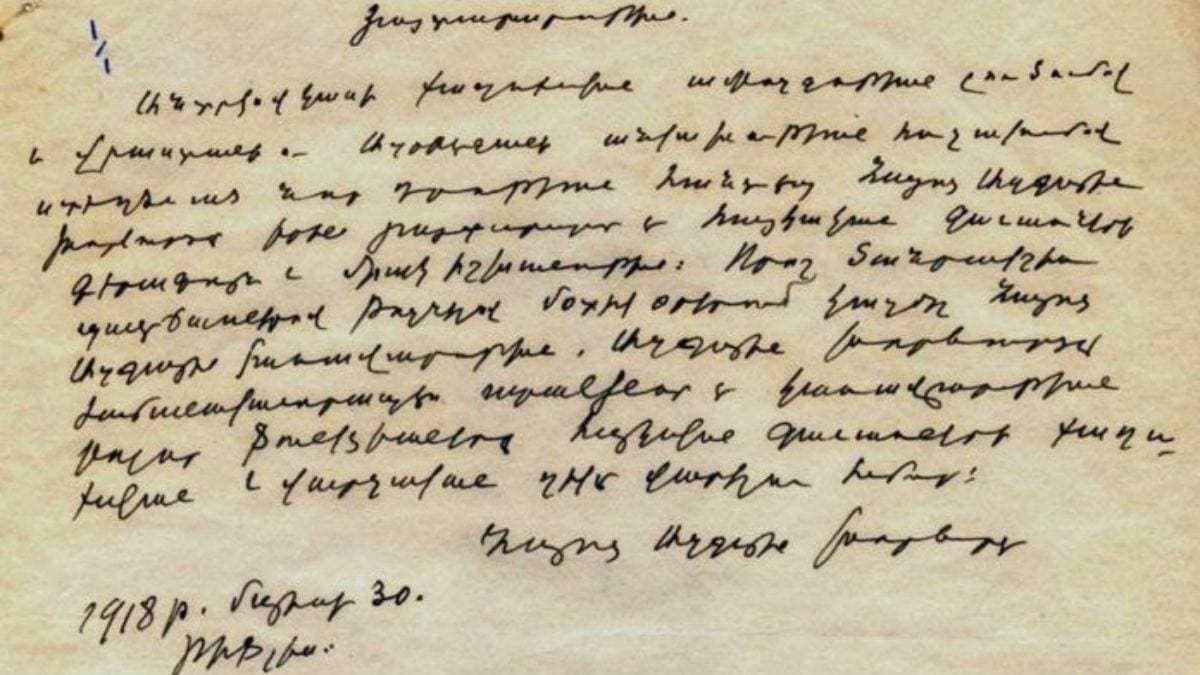
Armenian National Archive, 1918 · Source · Public domain · Armenian National Council
Evidano Transcription
1/[?]
Յայտարարութիւն.
Անդրկովկասի քաղաքական ամբողջութեան լուծումով
և Վրաստանի ու Ադրբեջանի անկախութեան հռչակումով
ստեղծուած նոր դրութեան հանդէպ Հայոց Ազգային
Խորհուրդը իրեն յայտարարում է հայկական գաւառների
գերագոյն և միակ իշխանութիւն: Որոշ ծանրակշիռ
պատճառներով թողնելով մօտիկ օրերում կազմել Հայոց
Ազգային կառավարութիւն, Ազգային Խորհուրդը
ժամանակաւորապէս ստանձնում է կառավարական
բոլոր ֆունկցիաները հայկական գաւառների քաղա-
քական և վարչական ղեկը վարելու համար:
Հայոց Ազգային Խորհուրդ
1918 թ. մայիսի 30.
Թիֆլիս.
Generated by Evidano’s advanced model; not yet checked against a published edition.
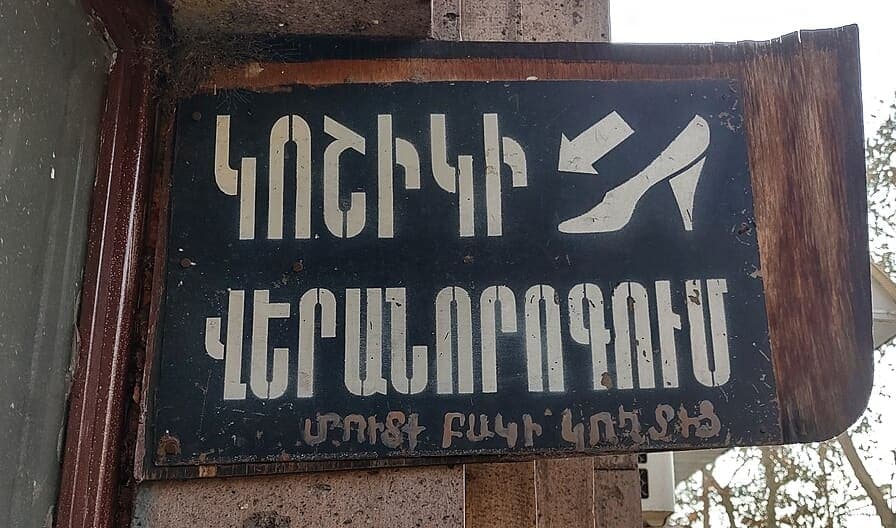
Evidano Transcription
ԿՈՇԻԿԻ
ՎԵՐԱՆՈՐՈԳՈՒՄ
ՄՈՒՏՔ ԲԱԿԻ ԿՈՂՄԻՑ
Generated by Evidano’s advanced model; not yet checked against a published edition.
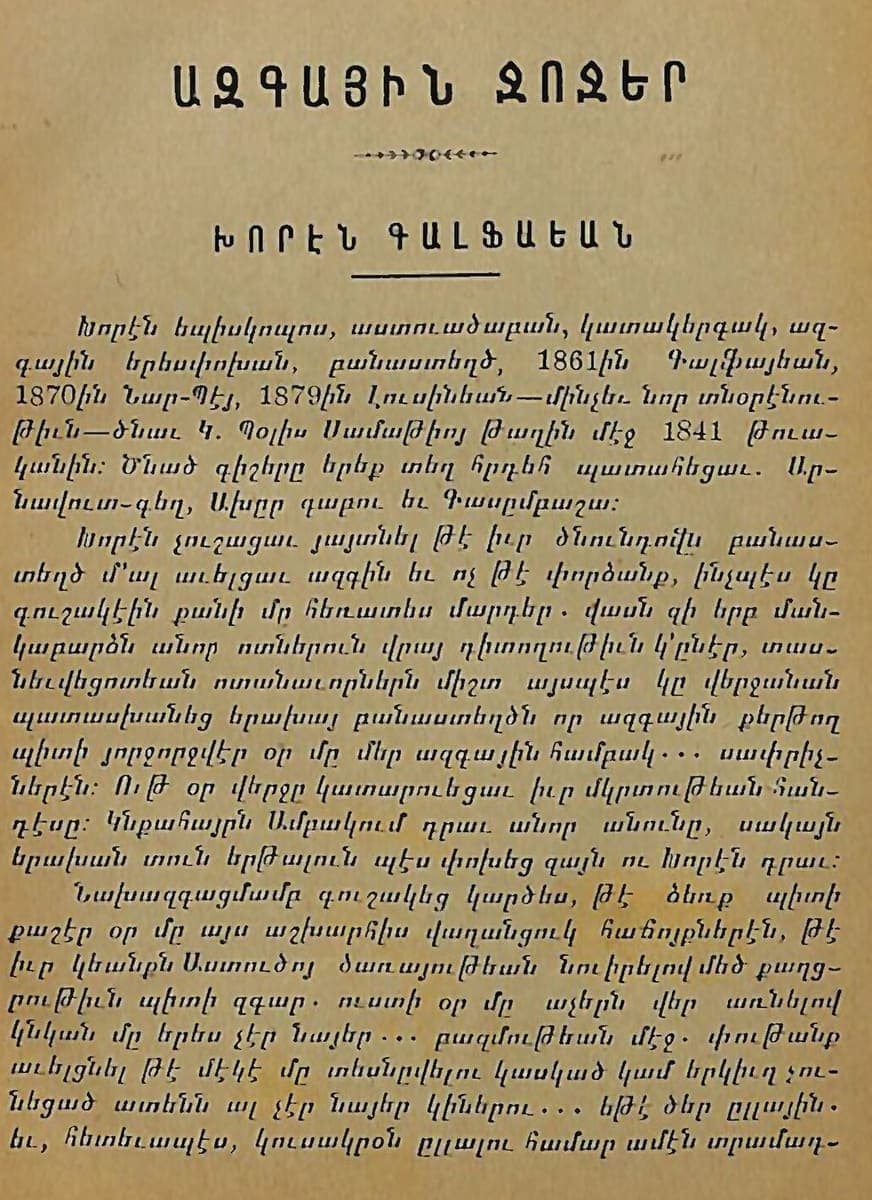
National Library of Armenia, 1924 · Source · Public domain · Printed by the H. M. Setian press, Constantinople; scanned by the National Library of Armenia
Evidano Transcription
The whole printed page: the series title, the sketch’s title and the three paragraphs beneath them, as validated on Armenian Wikisource. The text follows the page’s paragraphing rather than its typeset line breaks, keeps the 1924 classical Western Armenian spelling as printed, and ends on the word broken by the hyphen at the foot of the page.
ԱԶԳԱՅԻՆ ՋՈՋԵՐ
ԽՈՐԷՆ ԳԱԼՖԱԵԱՆ
Խորէն եպիսկոպոս, աստուածաբան, կատակերգակ, ազգային երեսփոխան, բանաստեղծ, 1861ին Գալֆայեան, 1870ին Նար-Պէյ, 1879ին Լուսինեան-մինչեւ նոր տնօրէնութիւն ծնաւ Կ. Պօլիս Սամաթիոյ թաղին մէջ 1841 թուականին: Ծնած գիշերը երեք տեղ հրդեհ պատահեցաւ. Արնավուտ-գեղ, Ախըր գաբու եւ Գասըմբաշա:
Խորէն չուշացաւ յայտնել թէ իւր ծնունդովն բանաստեղծ մ’ալ աւելցաւ ազգին եւ ոչ թէ փորձանք, ինչպէս կը գուշակէին քանի մը հեռատես մարդեր. վասն զի երբ մանկաբարձն անոր ոտներուն վրայ դիտողութիւն կ'ընէր, տասնեվեցոտեան ոտանաւորներն միշտ այսպէս կը վերջանան պատասխանեց երախայ բանաստեղծն որ ազգային քերթող պիտի յորջորջվէր օր մը մեր ազգային համբակ ․․․ սափրիչներէն: Ութ օր վերջը կատարուեցաւ իւր մկրտութեան հանդէսը: Կնքահայրն Ամբակում դրաւ անոր անունը, սակայն երախան տուն երթալուն պէս փոխեց զայն ու խորէն դրաւ:
Նախազգացմամբ գուշակեց կարծես, թէ ձեռք պիտի քաշէր օր մը այս աշխարհիս վաղանցուկ հաճոյքներէն, թէ իւր կեանքն Աստուծոյ ծառայութեան նուիրելով մեծ քաղցրութիւն պիտի զգար, ուստի օր մր աչերն վեր առնելով կնկան մը երես չէր նայեր... բազմութեան մէջ. փութանք աւելցնել թէ մէկէ մը տեսնըվելու կասկած կամ երկիւղ չունեցած ատենն ալ չէր նայեր կիներու... եթէ ծեր ըլլային. եւ, հետեւապէս, կուսակրօն ըլլալու համար ամէն տրամադ-
Source: Ազգային ջոջեր (Յ. Մ. Սէթեան, Կ. Պոլիս, 1924), p. 8, validated text via Armenian Wikisource (Public domain).
What Armenian writing looks like
Mesrop Mashtots devised the Armenian alphabet around 405, reportedly with thirty-six letters; two more, օ and ֆ, were added by the twelfth century to bring the modern total to thirty-eight. The earliest and most formal hand is erkatagir, "iron letters", a majuscule of upright, angular strokes cut into stone on khachkars and boundary markers and used for the body text of the oldest surviving Gospel books through roughly the twelfth century. From about the twelfth century a rounder, sloping minuscule called bolorgir, "rounded letters", became the ordinary book hand, its ascenders and descenders reaching well above and below a narrow body and its lines often divided by a raised dot or colon rather than a full stop. Alongside it grew notrgir, "notary letters", a rapid cursive built for charters, colophons and correspondence, in which letters lean hard, join at speed, and lose the closed loops that a slower bolorgir hand keeps distinct; notrgir is also the direct ancestor of ordinary Armenian handwriting today.
Two features cut across all three hands. The conjunction "and", ew, is regularly written as a single ligature, և, that a glyph-by-glyph reader can mistake for one letter or split into two wrong ones. And scribes routinely abbreviate common words — sacred names, standard formulas, whole verb endings — under a horizontal line called a patiw or a wavy abbreviation mark, so that a line of manuscript can be a third shorter than the words it stands for once expanded. Numerals before the modern period were letters read as numbers, again marked with a line above; Arabic numerals only became general in print during the nineteenth century. Printing itself starts in 1512 with Hakob Meghapart’s books in Venice, sets bolorgir-derived letterforms as the norm, and by the nineteenth century splits into two literary standards — Western Armenian, printed mainly in Constantinople and the diaspora, and Eastern Armenian, printed in Tiflis and Yerevan — with a further spelling reform under Soviet rule in 1922 that changed how several words are written in the Republic of Armenia but not in the diaspora.
Why ordinary OCR struggles here
Letters that differ by a hook or a stroke height
Several pairs of Armenian letters share almost the same skeleton and are distinguished only by a small hook, a closed versus an open loop, or an ascender that climbs a little further than its neighbour. A worn manuscript, a faint photocopy or a fast cursive hand blurs exactly that difference, and the letter that comes out is a real Armenian letter, not an obvious error a spellchecker would catch.
The և ligature and abbreviation marks
Reading -ew- as a single character, and reading a horizontal line over a word as an instruction to expand rather than as a diacritic, both require knowing the convention rather than the shape alone. A page that abbreviates heavily can have a third of its words shortened, and an engine with no notion of Armenian scribal abbreviation reads the visible letters and leaves the missing ones out entirely.
Bolorgir and notrgir collapse into one another at speed
A scribe under time pressure lets bolorgir’s closed loops open and its separate letters run together in exactly the direction notrgir already goes, so a colophon added quickly at the end of a manuscript can shift hand within a single page. Recognition trained on one clean hand treats the other as noise rather than as the same alphabet written faster.
Two spelling standards for one alphabet
Western Armenian and Eastern Armenian spell a meaningful number of everyday words differently, and the 1922 Soviet reform changed the classical spelling of many more in the Republic of Armenia while the diaspora press kept the older forms. A transcription that silently normalises one to the other erases information a researcher needs to date or place the document.
Who works with this material
Manuscript scholars and church libraries
The Matenadaran in Yerevan, the Mekhitarist libraries of Venice and Vienna, and Armenian collections held at the Bodleian, the British Library and the Walters all continue to catalogue material that has never been transcribed. A first-pass reading of a bolorgir or notrgir leaf, with the hand named and abbreviations marked, saves the hours of straight typing that usually precede the scholarly work.
Epigraphy and khachkar recording projects
Khachkars and boundary or church-founding inscriptions carry short erkatagir texts that are easy to photograph and hard to read once weathering has softened the stone. Projects recording them need the majuscule read as carved capitals, not guessed at from a worn outline, and any damaged letters flagged rather than silently filled in.
Diaspora archives and genealogy
Parish registers, community newspapers and personal correspondence from Constantinople, New Julfa, Tiflis and the post-1915 diaspora communities span both Western and Eastern Armenian spelling. An indexer needs the orthography of the document kept as written, since a name normalised into the other standard’s spelling can break a family search rather than help it.
Reprint and heritage publishers
Reissuing a book set before the 1922 Soviet reform, or a Western Armenian text that never adopted it, means deciding once whether to keep the classical spelling or modernise it, and applying that choice consistently across a whole scanned volume rather than page by page.
Getting the best transcription
Say which hand the page is in
Tell the prompt whether the source is carved erkatagir, a bolorgir book page, a notrgir or modern cursive document, or plain print, since the letterforms that need the closest attention differ between them. A mixed page — a bolorgir body with a notrgir colophon added later — is worth flagging so the two are not corrected to match each other.
Ask for the և ligature and abbreviations to be handled explicitly
State that և should come out as the conjunction it stands for rather than as one or two ordinary letters, and that a horizontal line over a word marks an abbreviation to be expanded, with the supplied letters marked so the expansion can be checked against the image.
Fix the spelling standard once
For pre-1922 or diaspora material, say whether classical spelling should be kept as printed or converted to the reformed Eastern Armenian orthography, and apply the same rule across the batch. Keeping the original is the right default for archival and manuscript work.
Start with the hardest page in the batch
Run the fastest notrgir letter or the most weathered inscription before a clean printed page. If the ligature, the abbreviations and the uncertain letters are handled correctly there, with genuinely illegible strokes marked rather than guessed, the rest of the batch needs only a light check.
Frequently asked questions
- Can it read erkatagir inscriptions on khachkars and stone monuments?
- Yes. Erkatagir is treated as the upright majuscule it is rather than as damaged bolorgir, and weathering or a low, raking light in the photograph is worked around rather than guessed through; letters too worn to read are marked instead of invented.
- How is the և ligature handled?
- It is read as the conjunction "ew" it represents. You can ask for it kept as the single ligature character for a diplomatic transcription, or expanded to the two letters for a modern-spelling or searchable version, and the same choice is applied consistently.
- What happens to abbreviation marks in manuscripts?
- A word carrying the horizontal patiw line is expanded with the missing letters supplied in brackets by default, or left contracted if you ask for a strictly diplomatic reading. Either way the presence of the mark itself is recorded rather than silently absorbed into ordinary spelling.
- Does it distinguish Western and Eastern Armenian spelling?
- Yes. The two standards are recognised as different, legitimate spellings rather than one being corrected to the other, and pre-reform classical orthography is transcribed as printed unless you ask for it to be converted to the modern reformed spelling.
- Can it follow notrgir cursive from old letters and colophons?
- It reads the joined, leaning letterforms of notrgir and ordinary modern cursive as the connected hand they are, rather than trying to isolate letters one at a time. Uncertain joins are flagged so a specialist can check them against the original rather than the transcription silently smoothing them over.
Related scripts and pages
Turn your Armenian sources into text
Upload an inscription photograph, a manuscript leaf, a handwritten letter or a printed page, and check the Armenian reading line by line against the image.