
Kannada
Kannada from worn stone and clean print alike
Kannada shares its rounded letterforms and much of its glyph inventory with Telugu closely enough that the two are routinely confused, and a large share of surviving Old Kannada text is not on paper at all but cut into stone hero-stones and temple walls, worn by centuries of weather. Evidano reads both: field photographs of inscriptions and the printed signs, forms and newspapers of everyday Karnataka, setting the transcription beside the image so every subscript conjunct and every weathered letter can be checked.
Sample pages
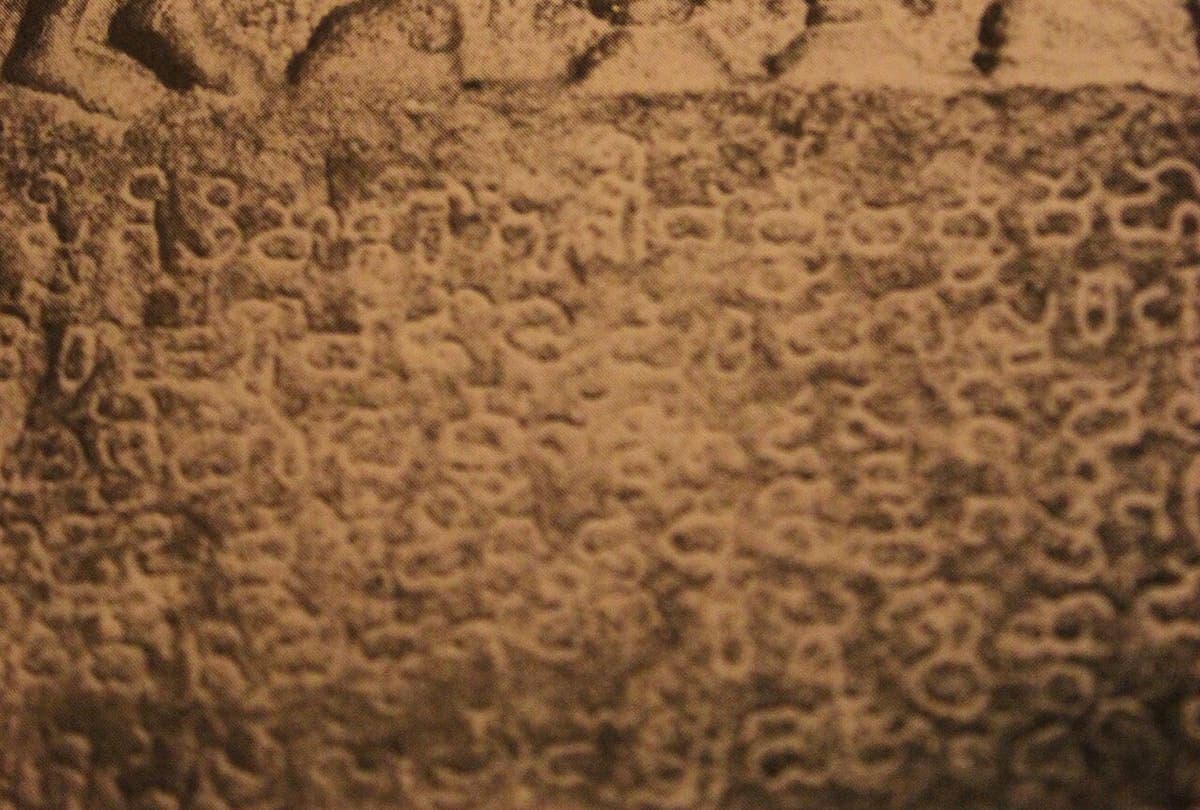
Source · CC BY-SA 3.0 · Holenarasipura
Evidano Transcription
A scholarly Romanised transliteration of the full inscription (no. 91, Tirumakudlu-Narasipur Taluq), from B. Lewis Rice’s survey of the district; the accent and vowel-length marks are the editor’s transliteration scheme, not a translation, and diacritics garbled by scanning have been restored against the surrounding entries.
Svasti Nitimargga Konguni-varmma dharmma-maharajadhiraja Kovalala-puravaresvara Nandagirinatha srimat-Pemmanadigal svarggam gerida Sridode Pemmanadigala mane-magattin Agarayyam Nitimargga-Pemmanadige kil-guntheyadam Pemmanadigala su-putra Satya-Vakya Pemmanadigalgulda (on the side of the stone) Vidiya Kalnadu kottadu Kappahalli parihira idan alidam Varanasiyol alidam
Source: B. Lewis Rice, Epigraphia Carnatica, Volume III: Inscriptions in the Mysore District, no. 91 (Mysore Government, 1894), via Internet Archive (Public domain).
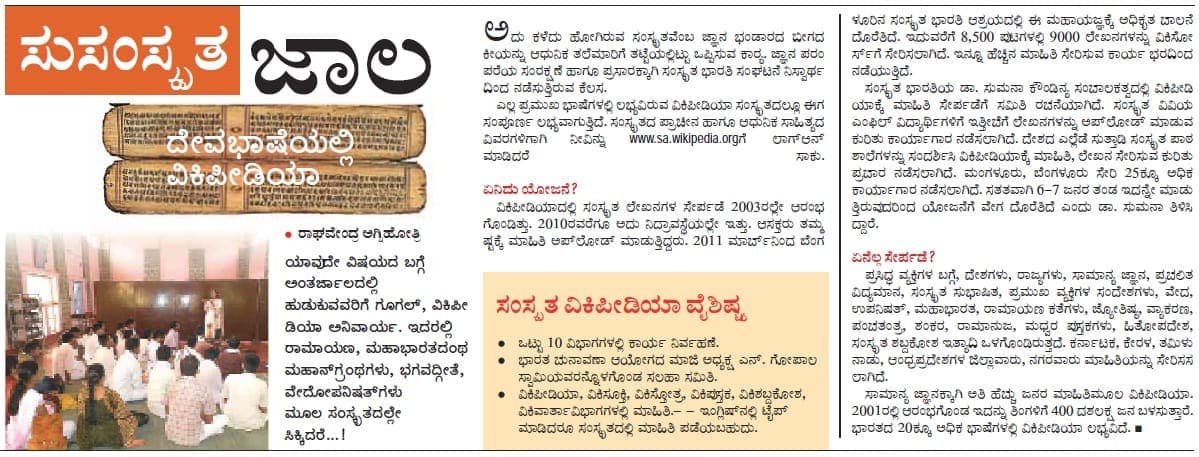
Source · CC BY-SA 3.0 · Kannada Prabha newspaper
Evidano Transcription
ಸುಸಂಸ್ಕೃತ ಜಾಲ
ದೇವಭಾಷೆಯಲ್ಲಿ
ವಿಕಿಪೀಡಿಯಾ
• ರಾಘವೇಂದ್ರ ಅಗ್ನಿಹೋತ್ರಿ
ಯಾವುದೇ ವಿಷಯದ ಬಗ್ಗೆ
ಅಂತರ್ಜಾಲದಲ್ಲಿ
ಹುಡುಕುವವರಿಗೆ ಗೂಗಲ್, ವಿಕಿಪೀ
ಡಿಯಾ ಅನಿವಾರ್ಯ. ಇದರಲ್ಲಿ
ರಾಮಾಯಣ, ಮಹಾಭಾರತದಂಥ
ಮಹಾನ್ಗ್ರಂಥಗಳು, ಭಗವದ್ಗೀತೆ,
ವೇದೋಪನಿಷತ್ಗಳು
ಮೂಲ ಸಂಸ್ಕೃತದಲ್ಲೇ
ಸಿಕ್ಕಿದರೆ...!
ಅದು ಕಳೆದು ಹೋಗಿರುವ ಸಂಸ್ಕೃತವೆಂಬ ಜ್ಞಾನ ಭಂಡಾರದ ಬೀಗದ
ಕೈಯನ್ನು ಆಧುನಿಕ ತಲೆಮಾರಿಗೆ ತಟ್ಟೆಯಲ್ಲಿಟ್ಟು ಒಪ್ಪಿಸುವ ಕಾರ್ಯ. ಜ್ಞಾನ ಪರಂ
ಪರೆಯ ಸಂರಕ್ಷಣೆ ಹಾಗೂ ಪ್ರಸಾರಕ್ಕಾಗಿ ಸಂಸ್ಕೃತ ಭಾರತಿ ಸಂಘಟನೆ ನಿಸ್ವಾರ್ಥ
ದಿಂದ ನಡೆಸುತ್ತಿರುವ ಕೆಲಸ.
ಎಲ್ಲ ಪ್ರಮುಖ ಭಾಷೆಗಳಲ್ಲಿ ಲಭ್ಯವಿರುವ ವಿಕಿಪೀಡಿಯಾ ಸಂಸ್ಕೃತದಲ್ಲೂ ಈಗ
ಸಂಪೂರ್ಣ ಲಭ್ಯವಾಗುತ್ತಿದೆ. ಸಂಸ್ಕೃತದ ಪ್ರಾಚೀನ ಹಾಗೂ ಆಧುನಿಕ ಸಾಹಿತ್ಯದ
ವಿವರಗಳಿಗಾಗಿ ನೀವಿನ್ನು www.sa.wikipedia.orgಗೆ ಲಾಗ್ಆನ್
ಮಾಡಿದರೆ ಸಾಕು.
ಏನಿದು ಯೋಜನೆ?
ವಿಕಿಪೀಡಿಯಾದಲ್ಲಿ ಸಂಸ್ಕೃತ ಲೇಖನಗಳ ಸೇರ್ಪಡೆ 2003ರಲ್ಲೇ ಆರಂಭ
ಗೊಂಡಿತ್ತು. 2010ರವರೆಗೂ ಅದು ನಿದ್ರಾವಸ್ಥೆಯಲ್ಲೇ ಇತ್ತು. ಆಸಕ್ತರು ತಮ್ಮ
ಷ್ಟಕ್ಕೆ ಮಾಹಿತಿ ಅಪ್ಲೋಡ್ ಮಾಡುತ್ತಿದ್ದರು. 2011 ಮಾರ್ಚ್ನಿಂದ ಬೆಂಗ
ಸಂಸ್ಕೃತ ವಿಕಿಪೀಡಿಯಾ ವೈಶಿಷ್ಟ್ಯ
• ಒಟ್ಟು 10 ವಿಭಾಗಗಳಲ್ಲಿ ಕಾರ್ಯ ನಿರ್ವಹಣೆ.
• ಭಾರತ ಚುನಾವಣಾ ಆಯೋಗದ ಮಾಜಿ ಅಧ್ಯಕ್ಷ ಎನ್. ಗೋಪಾಲ
ಸ್ವಾಮಿಯವರನ್ನೊಳಗೊಂಡ ಸಲಹಾ ಸಮಿತಿ.
• ವಿಕಿಪೀಡಿಯಾ, ವಿಕಿಸೂಕ್ತಿ, ವಿಕಿಸ್ತೋತ್ರ, ವಿಕಿಪುಸ್ತಕ, ವಿಕಿಶಬ್ದಕೋಶ,
ವಿಕಿವಾರ್ತಾ ವಿಭಾಗಗಳಲ್ಲಿ ಮಾಹಿತಿ.- - ಇಂಗ್ಲಿಷ್ನಲ್ಲಿ ಟೈಪ್
ಮಾಡಿದರೂ ಸಂಸ್ಕೃತದಲ್ಲಿ ಮಾಹಿತಿ ಪಡೆಯಬಹುದು.
ಳೂರಿನ ಸಂಸ್ಕೃತ ಭಾರತಿ ಆಶ್ರಯದಲ್ಲಿ ಈ ಮಹಾಯಜ್ಞಕ್ಕೆ ಅಧಿಕೃತ ಚಾಲನೆ
ದೊರೆತಿದೆ. ಇದುವರೆಗೆ 8,500 ಪುಟಗಳಲ್ಲಿ 9000 ಲೇಖನಗಳನ್ನು ವಿಕಿಸೋರ್
ಸ್ಗೆ ಸೇರಿಸಲಾಗಿದೆ. ಇನ್ನೂ ಹೆಚ್ಚಿನ ಮಾಹಿತಿ ಸೇರಿಸುವ ಕಾರ್ಯ ಭರದಿಂದ
ನಡೆಯುತ್ತಿದೆ.
ಸಂಸ್ಕೃತ ಭಾರತಿಯ ಡಾ. ಸುಮನಾ ಕೌಂಡಿನ್ಯ ಸಂಚಾಲಕತ್ವದಲ್ಲಿ ವಿಕಿಪೀಡಿ
ಯಾಕ್ಕೆ ಮಾಹಿತಿ ಸೇರ್ಪಡೆಗೆ ಸಮಿತಿ ರಚನೆಯಾಗಿದೆ. ಸಂಸ್ಕೃತ ವಿವಿಯ
ಎಂಫಿಲ್ ವಿದ್ಯಾರ್ಥಿಗಳಿಗೆ ಇತ್ತೀಚೆಗೆ ಲೇಖನಗಳನ್ನು ಅಪ್ಲೋಡ್ ಮಾಡುವ
ಕುರಿತು ಕಾರ್ಯಾಗಾರ ನಡೆಸಲಾಗಿದೆ. ದೇಶದ ಎಲ್ಲೆಡೆ ಸುತ್ತಾಡಿ ಸಂಸ್ಕೃತ ಪಾಠ
ಶಾಲೆಗಳನ್ನು ಸಂದರ್ಶಿಸಿ ವಿಕಿಪೀಡಿಯಾಕ್ಕೆ ಮಾಹಿತಿ, ಲೇಖನ ಸೇರಿಸುವ ಕುರಿತು
ಪ್ರಚಾರ ನಡೆಸಲಾಗಿದೆ. ಮಂಗಳೂರು, ಬೆಂಗಳೂರು ಸೇರಿ 25ಕ್ಕೂ ಅಧಿಕ
ಕಾರ್ಯಾಗಾರ ನಡೆಸಲಾಗಿದೆ. ಸತತವಾಗಿ 6-7 ಜನರ ತಂಡ ಇದನ್ನೇ ಮಾಡು
ತ್ತಿರುವುದರಿಂದ ಯೋಜನೆಗೆ ವೇಗ ದೊರೆತಿದೆ ಎಂದು ಡಾ. ಸುಮನಾ ತಿಳಿಸಿ
ದ್ದಾರೆ.
ಏನೆಲ್ಲ ಸೇರ್ಪಡೆ?
ಪ್ರಸಿದ್ಧ ವ್ಯಕ್ತಿಗಳ ಬಗ್ಗೆ, ದೇಶಗಳು, ರಾಜ್ಯಗಳು, ಸಾಮಾನ್ಯ ಜ್ಞಾನ, ಪ್ರಚಲಿತ
ವಿದ್ಯಮಾನ, ಸಂಸ್ಕೃತ ಸುಭಾಷಿತ, ಪ್ರಮುಖ ವ್ಯಕ್ತಿಗಳ ಸಂದೇಶಗಳು, ವೇದ,
ಉಪನಿಷತ್, ಮಹಾಭಾರತ, ರಾಮಾಯಣ ಕತೆಗಳು, ಜ್ಯೋತಿಷ್ಯ, ವ್ಯಾಕರಣ,
ಪಂಚತಂತ್ರ, ಶಂಕರ, ರಾಮಾನುಜ, ಮಧ್ವರ ಪುಸ್ತಕಗಳು, ಹಿತೋಪದೇಶ,
ಸಂಸ್ಕೃತ ಶಬ್ದಕೋಶ ಇತ್ಯಾದಿ ಒಳಗೊಂಡಿರುತ್ತದೆ. ಕರ್ನಾಟಕ, ಕೇರಳ, ತಮಿಳು
ನಾಡು, ಆಂಧ್ರಪ್ರದೇಶಗಳ ಜಿಲ್ಲಾವಾರು, ನಗರವಾರು ಮಾಹಿತಿಯನ್ನು ಸೇರಿಸಸ
ಲಾಗಿದೆ.
ಸಾಮಾನ್ಯ ಜ್ಞಾನಕ್ಕಾಗಿ ಅತಿ ಹೆಚ್ಚು ಜನರ ಮಾಹಿತಿಮೂಲ ವಿಕಿಪೀಡಿಯಾ.
2001ರಲ್ಲಿ ಆರಂಭಗೊಂಡ ಇದನ್ನು ತಿಂಗಳಿಗೆ 400 ದಶಲಕ್ಷ ಜನ ಬಳಸುತ್ತಾರೆ.
ಭಾರತದ 20ಕ್ಕೂ ಅಧಿಕ ಭಾಷೆಗಳಲ್ಲಿ ವಿಕಿಪೀಡಿಯಾ ಲಭ್ಯವಿದೆ. ◾
Generated by Evidano’s advanced model; not yet checked against a published edition.
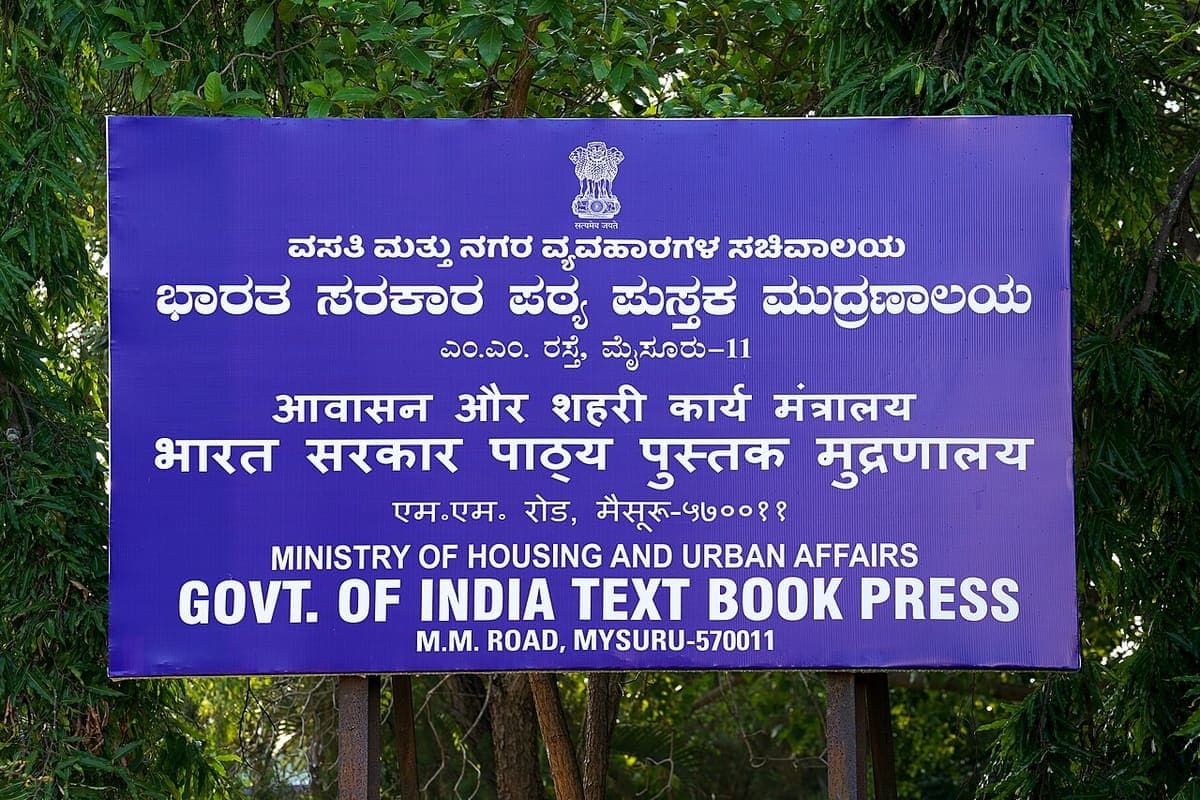
Evidano Transcription
सत्यमेव जयते
ವಸತಿ ಮತ್ತು ನಗರ ವ್ಯವಹಾರಗಳ ಸಚಿವಾಲಯ
ಭಾರತ ಸರಕಾರ ಪಠ್ಯ ಪುಸ್ತಕ ಮುದ್ರಣಾಲಯ
ಎಂ.ಎಂ. ರಸ್ತೆ, ಮೈಸೂರು-11
आवासन और शहरी कार्य मंत्रालय
भारत सरकार पाठ्य पुस्तक मुद्रणालय
एम.एम. रोड, मैसूरू-५७००११
MINISTRY OF HOUSING AND URBAN AFFAIRS
GOVT. OF INDIA TEXT BOOK PRESS
M.M. ROAD, MYSURU-570011
Generated by Evidano’s advanced model; not yet checked against a published edition.
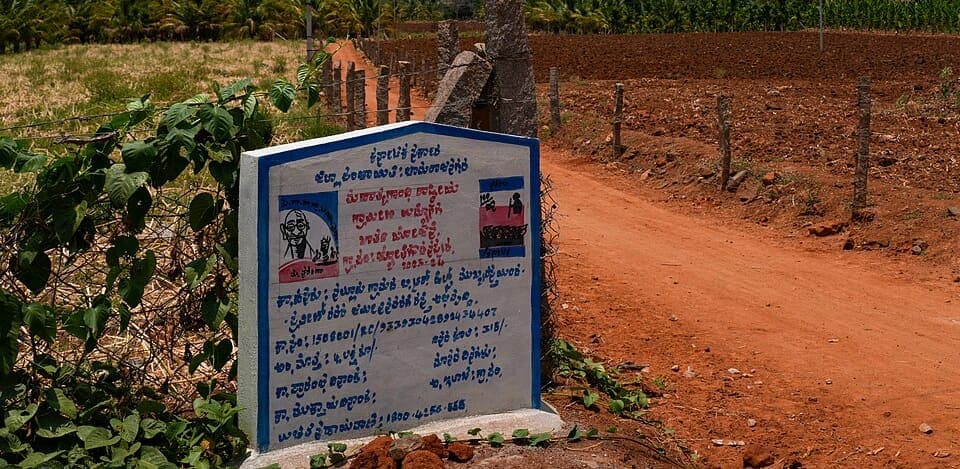
Source · CC BY-SA 4.0 · Timothy A. Gonsalves
Evidano Transcription
An English translation of the sign’s wording, supplied by Shilpa Shanbhog Nagaraj on the file’s Wikimedia Commons description page; this is a translation rather than a diplomatic transcription of the Kannada text.
Karnataka Government, Zilla Panchayat, Chamarajanagara. Mahatma Gandhi Rashtreeya Grameena Udhyoga Khatri Yojane (MNREGA). Road widening to access Praveen’s land (resident of Nalluru village), BR Hills Main Road. Estimated cost: Rs. 4 lakhs. Daily wage: Rs. 318.
Source: File description, "MNREGA Road BR Hills Hondarabalu May24 A7CR 00066.jpg", Wikimedia Commons (translation by Shilpa Shanbhog Nagaraj) (CC BY-SA 4.0).
What Kannada text looks like on the page — or the stone
Kannada letters are built from bowls and loops rather than the vertical strokes of Devanagari, a shape driven originally by writing on palm leaf, where a straight scratch across the grain would split the leaf. Kannada and Telugu descend from the same medieval script and stayed close enough for over a thousand years that many of their letters are still near-identical in outline, differing mainly in details a reader has to have learned to look for. A large share of Kannada’s glyph inventory is taken up by ottakshara, subscript forms that attach beneath a consonant to build a cluster, so a single visual unit on the page can represent two or three consonants stacked rather than written in a row.
Karnataka also holds one of the largest bodies of stone inscription in India: donative records, land grants and above all hero-stones, or virgal, raised for warriors, ascetics and even for a favourite hound, in Old Kannada from as early as the fifth century and continuing in enormous numbers through the Western Ganga, Rashtrakuta, Hoysala and Vijayanagara periods. These are carved directly into rock or temple masonry rather than written with a pen, so a single inscription can mix crisp, deep-cut letters with sections eroded by weather, softened by later hands rubbing the stone, or interrupted by a crack. Regional and period variation in the letterforms is considerable, since the mason cutting a ninth-century Ganga memorial and the mason cutting a sixteenth-century Vijayanagara one worked from different local conventions.
Modern Kannada is set in a standardised print form on newspapers, books, government notices and signage across Karnataka, very often alongside Hindi and English on official boards, and alongside English acronyms and figures on project noticeboards giving costs, wages and reference numbers for public works.
Why ordinary OCR struggles here
Kannada read as Telugu, or the reverse
Because the two scripts diverged gradually rather than starting from different designs, many Kannada letters and vowel signs are close enough to their Telugu counterparts that a model without enough Kannada-specific training defaults to the more familiar of the two, especially on an older hand or an inscription where the shapes have not yet settled into their modern, more distinct print forms.
Subscript conjuncts carrying real letters
Ottakshara sit below the main consonant and can be small enough, or worn enough on stone, to be mistaken for damage, a serif or an unrelated mark. Losing one silently drops a consonant from the word rather than producing an obviously wrong result.
Centuries of weather on a single stone
One hero-stone can carry crisply cut letters at the top and letters worn to a shadow lower down, where rain has run down the face for a thousand years. A transcription has to say plainly where a reading is confident and where it is a best guess from a damaged surface.
Regional letterforms across eras
A ninth-century Ganga-period inscription and a sixteenth-century Vijayanagara one can shape the same letter differently enough that a model trained mainly on one period misreads the other. Dating an unfamiliar hand correctly often depends on recognising exactly these small variations.
Who works with this material
Epigraphists and inscription surveys
Karnataka’s many thousands of catalogued stone inscriptions still include large numbers with no searchable transcription. A first-pass reading that a specialist can check against the stone or its estampage speeds up survey work that would otherwise depend entirely on a visit to each site.
Temple and heritage conservation projects
Recording a hero-stone or donative inscription in situ, before further weathering or an accidental relocation obscures it further, benefits from a transcription tied directly to a dated photograph of the stone as it currently stands.
Kannada newspaper and literary archives
Digitisation projects working through runs of Kannada periodicals need a transcription that keeps headlines, captions and pull quotes distinct from body text, so a scanned page becomes several searchable items rather than one block.
Government and public-works record-keeping
Trilingual signage and project noticeboards carry figures — costs, wages, reference numbers — that matter for audits and record-keeping. A transcription that keeps Kannada, Hindi and English apart and keeps the numbers exact makes such boards usable as searchable records.
Getting the best transcription
Say whether the material is epigraphic or modern print
A worn stone inscription and a clean newspaper page need different handling. Telling the model which one it is looking at, and roughly which period for an inscription, sets the right expectations for letterform variation and damage.
Name the script explicitly on ambiguous material
On an old hand or a heavily worn surface where Kannada and Telugu letterforms converge, state that the text is Kannada rather than leaving the model to infer it, so it does not default to the more common of the two scripts on an ambiguous glyph.
Decide how to render ottakshara conjuncts
Ask for subscript consonant clusters kept as a single combined glyph, or expanded into their separate consonants, and apply the same rule across a batch so the results stay consistent for search and comparison.
Start with the most weathered stone in a batch
When transcribing several inscriptions together, test the most eroded or cracked one first. If the model marks its uncertain letters clearly there, the better-preserved stones in the same batch need only a light check.
Frequently asked questions
- Can it read Old Kannada cut into stone, not just modern print?
- Yes. Field photographs of hero-stones and other inscriptions are read directly, with damaged or eroded letters marked as uncertain rather than silently guessed at.
- How does it avoid confusing Kannada with Telugu?
- By treating Kannada as its own script rather than a variant of Telugu. Naming the script explicitly in the prompt helps most on old or ambiguous material where the two scripts’ letterforms are closest together.
- How are ottakshara, the subscript consonant clusters, handled?
- They are recognised as part of the consonant cluster they belong to rather than as separate marks, and you can choose whether the output keeps them as a combined glyph or expands them into their component consonants.
- Can it work from a field photograph rather than a museum-quality scan?
- Yes, that is the normal case for inscriptions — an angled, outdoor photograph of a stone rather than a flat, evenly lit scan — though a sharper, more evenly lit photograph will always recover more of a worn surface.
- Does it handle signs that mix Kannada with Hindi and English?
- Yes, each script is transcribed as its own run in the order it appears, so a trilingual government sign or a project noticeboard with English figures keeps all three intact rather than merging them.
Related scripts and pages
Transcribe your Kannada material
Upload a photograph of an inscription, a sign, a form or a printed page and check the Kannada transcription against the image before you export it.