
Malayalam
Malayalam before and after the script split it in two
A 1971 reform simplified Malayalam print by breaking up hundreds of the old script’s distinct conjunct ligatures into their separate letters, so a book set before the reform and a book set after it can look like two different scripts for the same language. Evidano reads both, along with the incised palm-leaf manuscripts the printed forms grew out of, setting the transcription beside the image so every old-style ligature and every rounded modern letter can be checked.
Sample pages
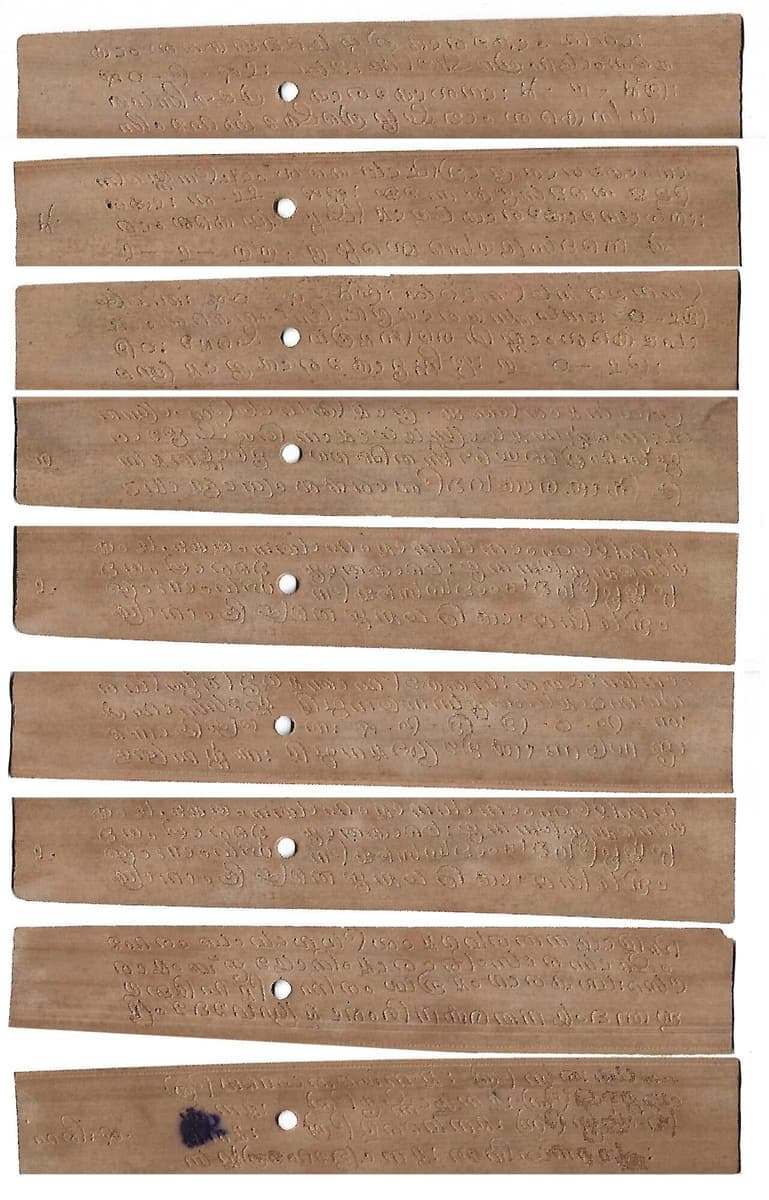
Source · CC BY-SA 4.0 · Rajeshodayanchal
Evidano Transcription
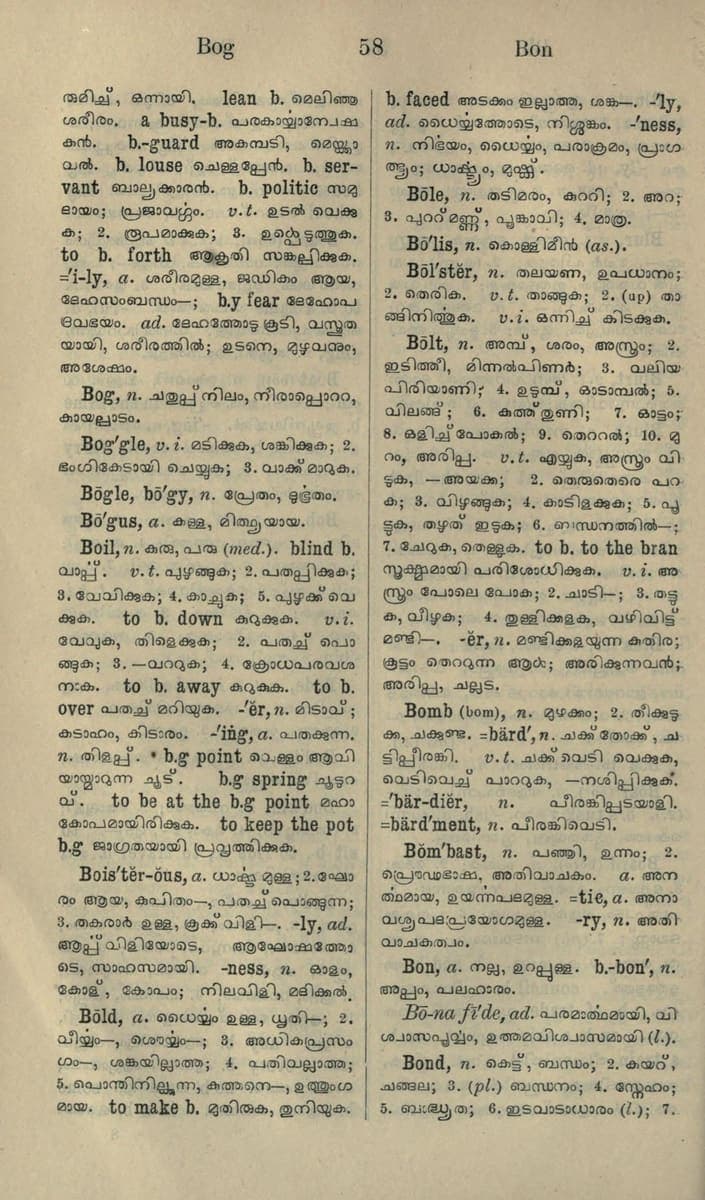
Bog 58 Bon
തമിച്ച്, ഒന്നായി. lean b. മെലിഞ്ഞ
ശരീരം. a busy-b. പരകാൎയ്യാന്വേഷ
കൻ. b.-guard അകമ്പടി, മെയ്ക്കാ
വൽ. b. louse ചെള്ളപ്പേൻ. b. ser-
vant ബാല്യക്കാരൻ. b. politic സമു
ദായം; പ്രജാവൎഗ്ഗം. v.t. ഉടൽ വെക്കു
ക; 2. രൂപമാക്കുക; 3. ഉൾപ്പെടുത്തുക.
to b. forth ആകൃതി സങ്കല്പിക്കുക.
='i-ly, a. ശരീരമുള്ള, ജഡികം ആയ,
ദേഹസംബന്ധം—; b.y fear ദേഹോപ
ദ്രവഭയം. ad. ദേഹത്തോടു കൂടി, വസ്തുത
യായി, ശരീരത്തിൽ; ഉടനെ, മുഴുവനും,
അശേഷം.
Bog, n. ചതുപ്പ് നിലം, നീരാപ്പൊററ,
കായല്പാടം.
Bog'gle, v. i. മടിക്കുക, ശങ്കിക്കുക; 2.
ഭംഗികേടായി ചെയ്യുക; 3. വാക്ക് മാറുക.
Bōgle, bō'gy, n. പ്രേതം, ഭൂതം.
Bō'gus, a. കള്ള, മിത്ഥ്യയായ.
Boil, n. കുരു, പരു (med.). blind b.
വാപ്പ്. v. t. പുഴുങ്ങുക; 2. പതപ്പിക്കുക;
3. വേവിക്കുക; 4. കാച്ചുക; 5. പുഴുക്ക് വെ
ക്കുക. to b. down കുറുക്കുക. v. i.
വേവുക, തിളെക്കുക; 2. പതച്ച് പൊ
ങ്ങുക; 3. —വററുക; 4. ക്രോധപരവശ
നാക. to b. away കുറുക്കുക. to b.
over പതച്ച് മറിയുക. -'ĕr, n. മിടാവ്;
കടാഹം, കിടാരം. -'ĭng, a. പതക്കുന്ന.
n. തിളപ്പ്. b.g point വെള്ളം ആവി
യായ്മാറുന്ന[?] ചൂട്. b.g spring ചൂടുറ
വ്. to be at the b.g point മഹാ
കോപമായിരിക്കുക. to keep the pot
b.g ജാഗ്രതയായി പ്രവൃത്തിക്കുക.
Bois'tĕr-ŏus, a. ധാൎഷ്ട്യമുള്ള[?]; 2. ഘോ
രം ആയ, കുപിതം—, പതച്ച് പൊങ്ങുന്ന;
3. തകരാർ ഉള്ള, കൂക്ക് വിളി—. -ly, ad.
ആൎപ്പ് വിളിയോടെ, ആഘോഷത്തോ
ടെ, സാഹസമായി. -ness, n. ഓളം,
കോള്, കോപം; നിലവിളി, മദിക്കൽ.
Bōld, a. ധൈൎയ്യം ഉള്ള, ധൃതി—; 2.
വീൎയ്യം—, ശൌൎയ്യം—; 3. അധികപ്രസം
ഗം—, ശങ്കയില്ലാത്ത; 4. പതിവല്ലാത്ത;
5. പൊന്തിനില്ക്കുന്ന, കുത്തനെ—, ഉത്തുംഗ
മായ. to make b. മുതിരുക, തുനിയുക.
b. faced അടക്കം ഇല്ലാത്ത, ശങ്ക—. -'ly,
ad. ധൈൎയ്യത്തോടെ, നിശ്ശങ്കം. -'ness,
n. നിൎഭയം, ധൈൎയ്യം, പരാക്രമം, പ്രാഗ
ത്ഭ്യം; ധാൎഷ്ട്യം, മുഷ്ക്ക്.
Bōle, n. തടിമരം, കുററി; 2. അറ;
3. പുററ് മണ്ണ്, പൂങ്കാവി; 4. മാത്ര.
Bō'lis, n. കൊള്ളിമീൻ (as.).
Bōl'stĕr, n. തലയണ, ഉപധാനം;
2. തെരിക. v. t. താങ്ങുക; 2. (up) താ
ങ്ങിനിൎത്തുക. v. i. ഒന്നിച്ച് കിടക്കുക.
Bōlt, n. അമ്പ്, ശരം, അസ്ത്രം; 2.
ഇടിത്തീ, മിന്നൽപിണർ; 3. വലിയ
പിരിയാണി; 4. ഉടുമ്പ്, ഓടാമ്പൽ; 5.
വിലങ്ങ്; 6. കത്ത്[?] തുണി; 7. ഓട്ടം;
8. ഒളിച്ച് പോകൽ; 9. തെററൽ; 10. മു
റം, അരിപ്പ. v. t. എയ്യുക, അസ്ത്രം വി
ടുക, —അയക്ക; 2. തെരുതെരെ പറ
ക; 3. വിഴുങ്ങുക; 4. കാടിളക്കുക; 5. പൂ
ട്ടുക, തഴുത് ഇടുക; 6. ബന്ധനത്തിൽ—;
7. ചേരുക, തെള്ളുക. to b. to the bran
സൂക്ഷ്മമായി പരിശോധിക്കുക. v. i. അ
സ്ത്രം പോലെ പോക; 2. ചാടി—; 3. തട്ടു
ക, വീഴുക; 4. തുള്ളിക്കളക, വഴിവിട്ട്
മണ്ടി—. -er, n. മണ്ടിക്കളയുന്ന കുതിര;
കൂട്ടം തെററുന്ന ആൾ; അരിക്കുന്നവൻ;
അരിപ്പ, ചല്ലട.
Bomb (bom), n. മുഴക്കം; 2. തീക്കുടു
ക്ക, ചക്കുണ്ട. =bärd', n. ചക്ക് തോക്ക്, ച
ട്ടിപ്പീരങ്കി. v. t. ചക്ക് വെടി വെക്കുക,
വെടിവെച്ച് പാററുക, —നശിപ്പിക്കുക.
='bär-diĕr, n. പീരങ്കിപ്പടയാളി.
=bärd'ment, n. പീരങ്കിവെടി.
Bŏm'bast, n. പഞ്ഞി, ഉന്നം; 2.
പ്രൌഢഭാഷ, അതിവാചകം. a. അന
ൎത്ഥമായ, ഉയൎന്നപദമുള്ള. =tic, a. അനാ
വശ്യപദപ്രയോഗമുള്ള. -ry, n. അതി
വാചകത്വം.
Bon, a. നല്ല, ഉറപ്പുള്ള. b.-bon', n.
അപ്പം, പലഹാരം.
Bō-na fī'de, ad. പരമാൎത്ഥമായി, വി
ശ്വാസപൂൎവ്വം, ഉത്തമവിശ്വാസമായി (l.).
Bond, n. കെട്ട്, ബന്ധം; 2. കയറ്,
ചങ്ങല; 3. (pl.) ബന്ധനം; 4. സ്നേഹം;
5. ബാദ്ധ്യത; 6. ഇടവാടാധാരം (l.); 7.
Generated by Evidano’s advanced model; not yet checked against a published edition.
Source · CC BY-SA 4.0 · Sathish Kalathil
Evidano Transcription
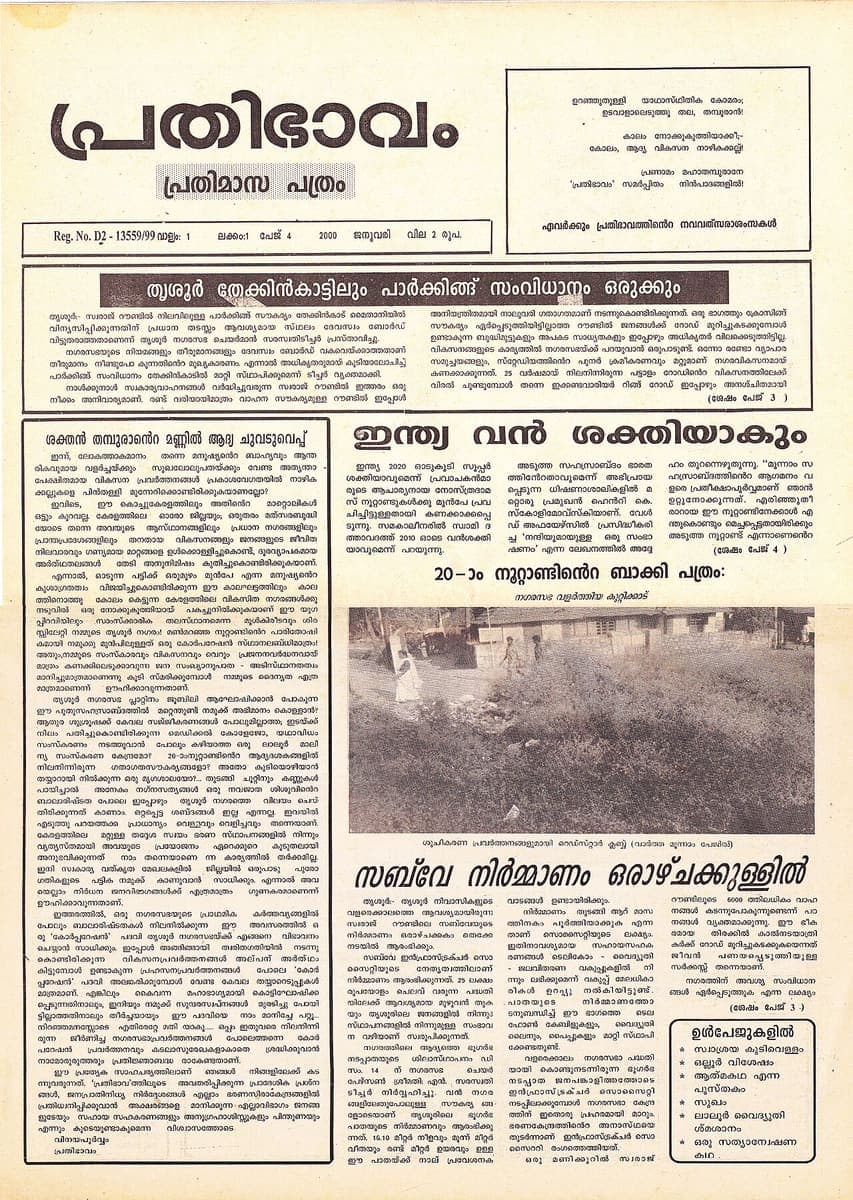
പ്രതിഭാവം
പ്രതിമാസ പത്രം
ഉറഞ്ഞുതുള്ളി യാഥാസ്ഥിതിക കോമരം;
ഉടവാളാലെടുത്തു തല, തമ്പുരാൻ!
കാലം നോക്കുകുത്തിയാക്കി;-
കോലം, ആദ്യ വികസന നാഴികക്കല്ല്!
പ്രണാമം മഹാതമ്പുരാനേ
'പ്രതിഭാവം' സമർപ്പിതം നിൻപാദങ്ങളിൽ!
ഏവർക്കും പ്രതിഭാവത്തിന്റെ നവവത്സരാശംസകൾ
Reg. No. D2 - 13559/99 വാല്യം: 1 ലക്കം:1 പേജ് 4 2000 ജനുവരി വില 2 രൂപ.
തൃശൂർ തേക്കിൻകാട്ടിലും പാർക്കിങ്ങ് സംവിധാനം ഒരുക്കും
[article text illegible at this resolution]
ശക്തൻ തമ്പുരാന്റെ മണ്ണിൽ ആദ്യ ചുവടുവെപ്പ്
[article text illegible at this resolution]
ഇന്ത്യ വൻ ശക്തിയാകും
[article text illegible at this resolution]
20-ാം നൂറ്റാണ്ടിന്റെ ബാക്കി പത്രം:
നഗരസഭ വളർത്തിയ കുറ്റിക്കാട്
ശുചീകരണ പ്രവർത്തനങ്ങളുമായി റെഡ്സ്റ്റാർ ക്ലബ്ബ് (വാർത്ത മൂന്നാം പേജിൽ)
സബ്വേ നിർമ്മാണം ഒരാഴ്ചക്കുള്ളിൽ
[article text illegible at this resolution]
ഉൾപേജുകളിൽ
* സ്വാശ്രയ കുടിവെള്ളം
* ഒല്ലൂർ വിശേഷം
* ആത്മകഥ എന്ന പുസ്തകം
* സുഖം
* ലാലൂർ വൈദ്യുതി ശ്മശാനം
* ഒരു സത്യാന്വേഷണ കഥ
Generated by Evidano’s advanced model; not yet checked against a published edition.
Source · CC BY-SA 3.0 · Arunkumar P. R.
Evidano Transcription
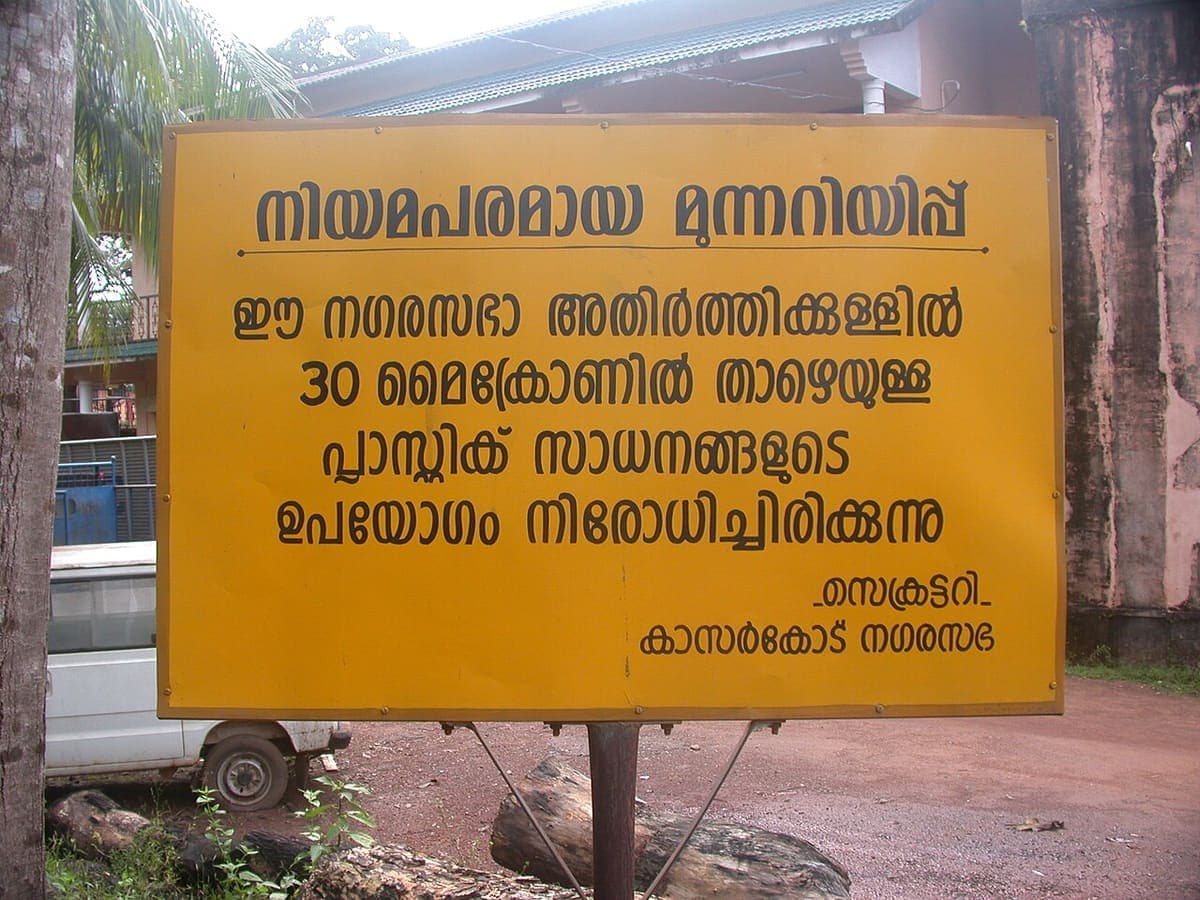
നിയമപരമായ മുന്നറിയിപ്പ്
ഈ നഗരസഭാ അതിർത്തിക്കുള്ളിൽ
30 മൈക്രോണിൽ താഴെയുള്ള
പ്ലാസ്റ്റിക് സാധനങ്ങളുടെ
ഉപയോഗം നിരോധിച്ചിരിക്കുന്നു
സെക്രട്ടറി
കാസർകോട് നഗരസഭ
Generated by Evidano’s advanced model; not yet checked against a published edition.
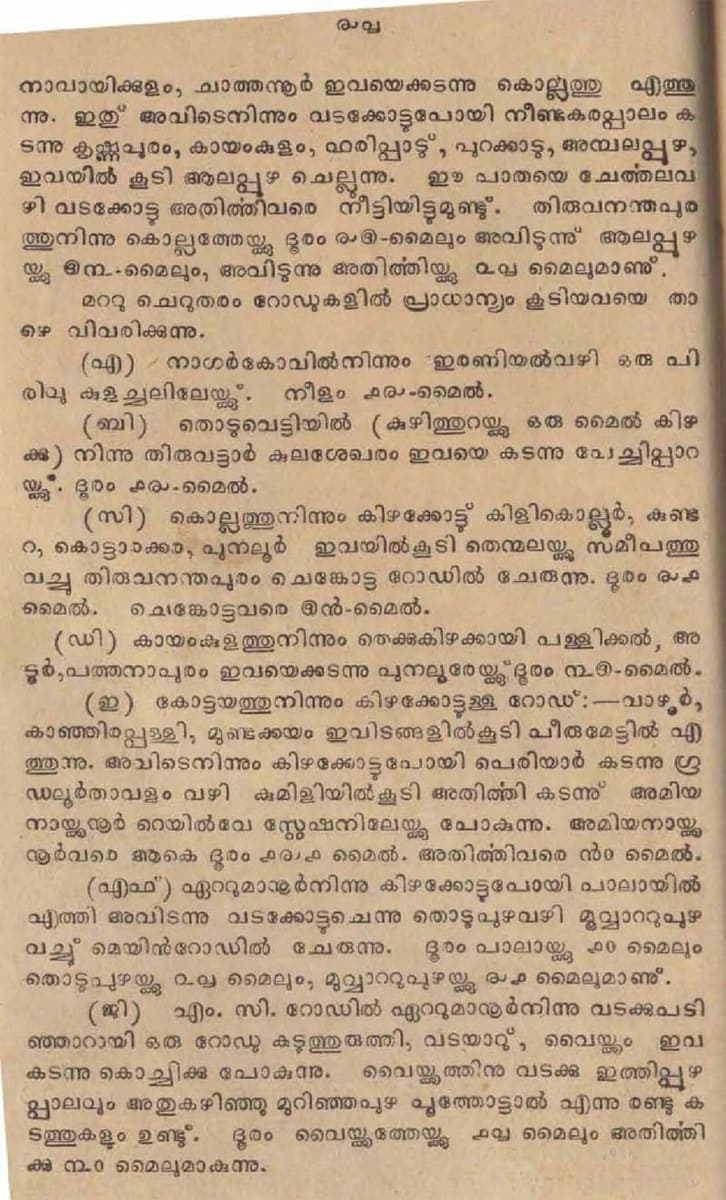
Source · Public domain · Scanned from the Malayalam Wikisource copy of the 1936 edition
Evidano Transcription
The whole of printed page 45, as proofread and then validated on Malayalam Wikisource (quality level 4 of 4) against this same scan. The text keeps the book’s old orthography and its Malayalam numerals; wiki markup is removed and paragraph breaks, not the printed line breaks, are what the Wikisource text records.
നാവായിക്കുളം, ചാത്തന്നൂർ ഇവയെക്കടന്നു കൊല്ലത്തു എത്തുന്നു. ഇതു് അവിടെനിന്നും വടക്കോട്ടുപോയി നീണ്ടകരപ്പാലം കടന്നു കൃഷ്ണപുരം, കായംകുളം, ഹരിപ്പാടു്, പുറക്കാടു, അമ്പലപ്പുഴ, ഇവയിൽ കൂടി ആലപ്പുഴ ചെല്ലുന്നു. ഈ പാതയെ ചേർത്തലവഴി വടക്കോട്ടു അതിർത്തിവരെ നീട്ടിയിട്ടുമുണ്ടു്. തിരുവനന്തപുരത്തുനിന്നു കൊല്ലത്തേയ്ക്കു ദൂരം ൪൫-മൈലും അവിടുന്നു് ആലപ്പുഴയ്ക്കു ൫൩-മൈലും, അവിടുന്നു അതിർത്തിയ്ക്കു ൨൮ മൈലുമാണു്.
മറ്റു ചെറുതരം റോഡുകളിൽ പ്രാധാന്യം കൂടിയവയെ താഴെ വിവരിക്കുന്നു.
(എ) നാഗർകോവിൽനിന്നും ഇരണിയൽവഴി ഒരു പിരിവു കുളച്ചലിലേയ്ക്കു്. നീളം ൧൪-മൈൽ.
(ബി) തൊടുവെട്ടിയിൽ (കുഴിത്തുറയ്ക്കു് ഒരു മൈൽ കിഴക്കു) നിന്നു തിരുവട്ടാർ കുലശേഖരം ഇവയെ കടന്നു പേച്ചിപ്പാറയ്ക്കു്. ദൂരം ൧൪-മൈൽ.
(സി) കൊല്ലത്തുനിന്നും കിഴക്കോട്ടു് കിളികൊല്ലൂർ, കുണ്ടറ, കൊട്ടാരക്കര, പുനലൂർ ഇവയിൽകൂടി തെന്മലയ്ക്കു സമീപത്തുവച്ചു തിരുവനന്തപുരം ചെങ്കോട്ട റോഡിൽ ചേരുന്നു. ദൂരം ൪൧-മൈൽ. ചെങ്കോട്ടവരെ ൫൯-മൈൽ.
(ഡി) കായംകുളത്തുനിന്നും തെക്കുകിഴക്കായി പള്ളിക്കൽ, അടൂർ, പത്തനാപുരം ഇവയെക്കടന്നു പുനലൂരേയ്ക്കു് ദൂരം ൩൫-മൈൽ.
(ഇ) കോട്ടയത്തുനിന്നും കിഴക്കോട്ടുള്ള റോഡ്:-വാഴൂർ, കാഞ്ഞിരപ്പള്ളി, മുണ്ടക്കയം ഇവിടങ്ങളിൽകൂടി പീരുമേട്ടിൽ എത്തുന്നു. അവിടെനിന്നും കിഴക്കോട്ടുപോയി പെരിയാർ കടന്നു ഗൂഡലൂർതാവളം വഴി കുമിളിയിൽകൂടി അതിർത്തി കടന്നു് അമിയനായ്ക്കനൂർ റെയിൽവേ സ്റ്റേഷനിലേയ്ക്കു പോകുന്നു. അമിയനായ്ക്കനൂർ വരെ ആകെ ദൂരം ൧൪൧ മൈൽ. അതിർത്തിവരെ ൯൦ മൈൽ.
(എഫ്) എറ്റുമാനൂർനിന്നു കിഴക്കോട്ടുപോയി പാലായിൽ എത്തി അവിടന്നു വടക്കോട്ടുചെന്നു തൊടുപുഴവഴി മൂവ്വാറ്റുപുഴ വച്ചു് മെയിൻറോഡിൽ ചേരുന്നു. ദൂരം പാലായ്ക്കു ൧൦ മൈലും തൊടുപുഴയ്ക്കു ൨൮ മൈലും, മുവ്വാറ്റുപുഴയ്ക്കു ൪൧ മൈലുമാണു്.
(ജി) എം.സി. റോഡിൽ ഏറ്റുമാനൂർനിന്നു വടക്കുപടിഞ്ഞാറായി ഒരു റോഡു കടുത്തുരുത്തി, വടയാറു്, വൈയ്ക്കം ഇവ കടന്നു കൊച്ചിക്കു പോകുന്നു. വൈയ്ക്കത്തിനു വടക്കു ഇത്തിപ്പുഴപ്പാലവും അതുകഴിഞ്ഞു മുറിഞ്ഞപുഴ പൂത്തോട്ടാൽ എന്നു രണ്ടു കടത്തുകളും ഉണ്ടു്. ദൂരം വൈയ്ക്കത്തേയ്ക്കു ൧൮ മൈലും അതിർത്തിക്കു ൩൦ മൈലുമാകുന്നു.
Source: താൾ:Geography textbook 4th std tranvancore 1936.djvu/52, Malayalam Wikisource (CC BY-SA 4.0).
What Malayalam text looks like on the page
Malayalam’s letters are markedly round even by the standards of neighbouring South Indian scripts, a shape usually traced to centuries of writing on palm leaf: a stylus called a narayam incises the leaf rather than inking it, and a straight or angular stroke would tear along the grain, so the script settled into loops and curves that a metal point can trace safely. The finished leaf, or ola, had the incised grooves rubbed with soot or a similar pigment to make the scratched letters legible, and leaves were bound through one or two holes into a taliyola book. This tradition, and the palm-leaf format itself, carried literary, medical, astrological and land-record texts in Kerala for centuries, well into the age of print.
Print inherited a script that had grown, letter by letter, a separate compound glyph for a very large number of consonant clusters, so that a complete traditional Malayalam typeface needed several hundred distinct pieces of type rather than a small alphabet combined systematically. Vowel signs, too, could attach to a consonant in shapes specific to that letter rather than a single consistent form. In 1971 the Government of Kerala adopted a simplified script that broke most of these ligatures apart into their component consonants and regularised the vowel signs, cutting the type inventory dramatically and making typewriters and, later, computer fonts practical. A book, deed or inscription set before 1971 — and some material set afterwards by publishers who kept the older convention on principle — uses letterforms a font built only for the reformed script does not contain at all.
Modern printed Malayalam, in newspapers, signs, notices and forms across Kerala, uses the reformed, disconnected letterforms almost universally today, still built from the same round bowls and loops but composed far more predictably from a small set of consonants, vowel signs and a plain virama.
Why ordinary OCR struggles here
Two orthographies, one language
A model trained mainly on modern reformed print has effectively never seen most of the old script’s conjunct ligatures, since the reform removed them from ordinary use rather than merely restyling them. A pre-1971 book, or a document a traditional publisher still sets in the old way, needs the ligatures recognised as themselves, not decomposed into letters that were never printed that way.
Ligatures that do not build from their parts
Where the reformed script constructs a cluster from recognisable consonants, the old script often gives the same cluster its own unrelated compound shape. Recognising one of several hundred such ligatures depends on having seen that specific shape before, not on reading the consonants that happen to make it up.
Vowel signs that vary by the letter they attach to
In pre-reform Malayalam, a vowel sign is not always one consistent mark: its shape can depend on which consonant it is attached to. A model expecting the reformed script’s regular, consonant-independent vowel signs misreads these older, letter-specific forms.
Incised, rubbed and aged palm leaf
A taliyola leaf carries no ink: contrast comes only from pigment rubbed into a scratched groove, which fades, and from a leaf surface that darkens, curls and cracks over time. Round letters already prone to running together in a fast hand become harder still to separate once the leaf itself has aged.
Who works with this material
Palm-leaf and manuscript archives
Kerala’s libraries, temples and private households hold large numbers of taliyola manuscripts covering literature, medicine, astrology and land records. A transcription that a specialist can check against the leaf turns an unread bundle into searchable text.
Legal, land-record and temple-trust archives
Deeds, grants and registers drawn up before 1971 use the old script’s ligatures throughout, and property or heritage disputes often turn on the exact wording of one such document. A transcription that keeps the old orthography intact, rather than silently modernising it, is the version worth checking against the original.
Publishers and type designers working with traditional orthography
Some religious and classical publishers still set new editions in the old script by choice, and a designer restoring or comparing historical typefaces benefits from a transcription that identifies each ligature rather than dissolving it into letters the old font never used.
Newspaper and periodical digitisation
An archive covering the years around 1971 can hold issues in both orthographies within the same run. A transcription pipeline that recognises which script a given issue uses keeps the whole archive searchable without one convention overwriting the other.
Getting the best transcription
Say which orthography the page uses
Tell the model whether the material is pre-1971 old-script Malayalam or the modern reformed script, since the two use different ligature and vowel-sign inventories that should not be forced into each other.
Decide how to render old-script ligatures
Choose whether a ligature that has no equivalent in modern print should be kept as a labelled compound form or expanded into the consonants it represents, and apply the same choice consistently across a document.
Name the material for palm-leaf pages
Mention that the source is incised palm leaf rather than ink on paper, so faint or rubbed-out letters are flagged as uncertain instead of being filled in from a guess about what a printed page would say.
Start with the most heavily ligatured page
In a batch that spans the 1971 divide, test the oldest or most conservatively typeset page first. If its ligatures are recognised correctly there, the more modern pages in the same batch need only a light check.
Frequently asked questions
- Can it read pre-1971 Malayalam, not just the modern reformed script?
- Yes. Tell it the page uses the old orthography and it reads the traditional conjunct ligatures and letter-specific vowel signs directly rather than expecting the simplified forms the 1971 reform introduced.
- What happens with an old-script ligature that no modern font contains?
- It is recognised as the compound letter it is rather than forced into a modern equivalent. You can ask for it kept as a labelled ligature or expanded into its component consonants, whichever suits your project.
- Can it transcribe an incised palm-leaf manuscript?
- Yes, from a clear photograph of the leaf. Mentioning that the source is palm leaf rather than paper helps it treat faint, rubbed or cracked passages as uncertain rather than guessing at them from context.
- Will a document that mixes old and new orthography be read consistently?
- Yes, provided you flag where the convention changes, since a reprint or an archive spanning 1971 can genuinely switch script partway through and each part should be read in its own terms.
- Does it need to know the material — palm leaf, paper or a printed sign — beforehand?
- It helps. Palm leaf, aged paper and a modern printed sign fail in different ways — faded incision, foxing, glare — and naming the material lets the model apply the right expectations for what damage looks like.
Related scripts and pages
Transcribe your Malayalam material
Upload a palm-leaf photograph, an old-script book, or a modern sign and check the Malayalam transcription against the image before you export it.