
Tamil
Tamil pages, manuscripts and forms turned into text
Tamil letters are famously round, and several of them — the three r-sounds, the three n-sounds, the three l-sounds — differ only by a small loop or tail that a soft scan can lose. Evidano reads printed Tamil books, government orders and signage, and older palm-leaf manuscripts whose spelling conventions differ from a modern printed page, and sets the transcription beside the image so every look-alike letter can be checked.
Sample pages
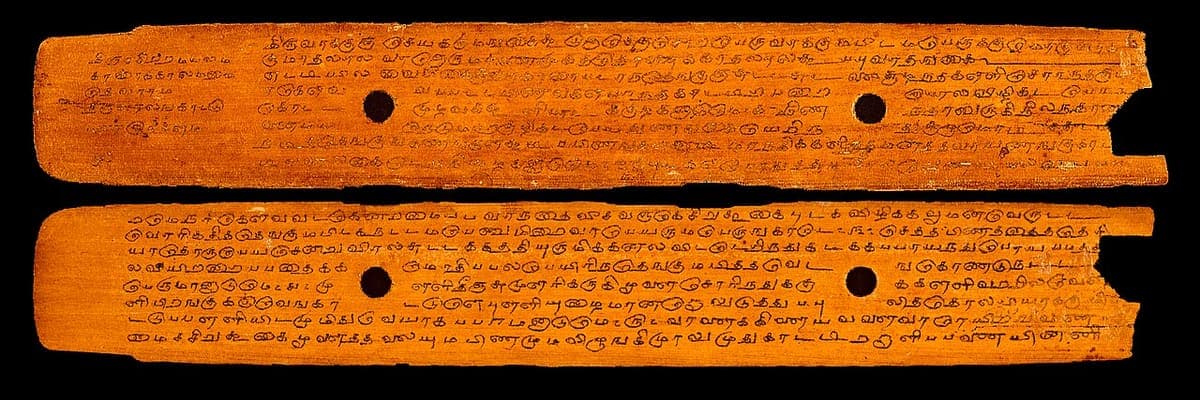
British Library, MS Or. 12212, c. 1700 (text compiled 11th century) · Source · CC0 1.0 · Ms Sarah Welch
Evidano Transcription
Only the opening invocation verse on the first two lines of the upper (recto) strip, in the edition's spelling and verse layout; the leaf appears to read முகத்தானை for the edition's முகத்தோனை, and the Tevaram text and marginal rāga notes that follow are not covered.
திருவாக்குஞ் செய்கருமங் கைகூட்டுஞ் செஞ்சொற்
பெருவாக்கும் பீடும் பெருக்கும் - உருவாக்கும்
ஆதலால் வானோரு மானை முகத்தோனைக்
காதலாற் கூப்புவர்தங் கை.
Source: பிள்ளையார் கதை (வரத பண்டிதர்), விநாயகர் துதி — Tamil Wikisource (Public domain).
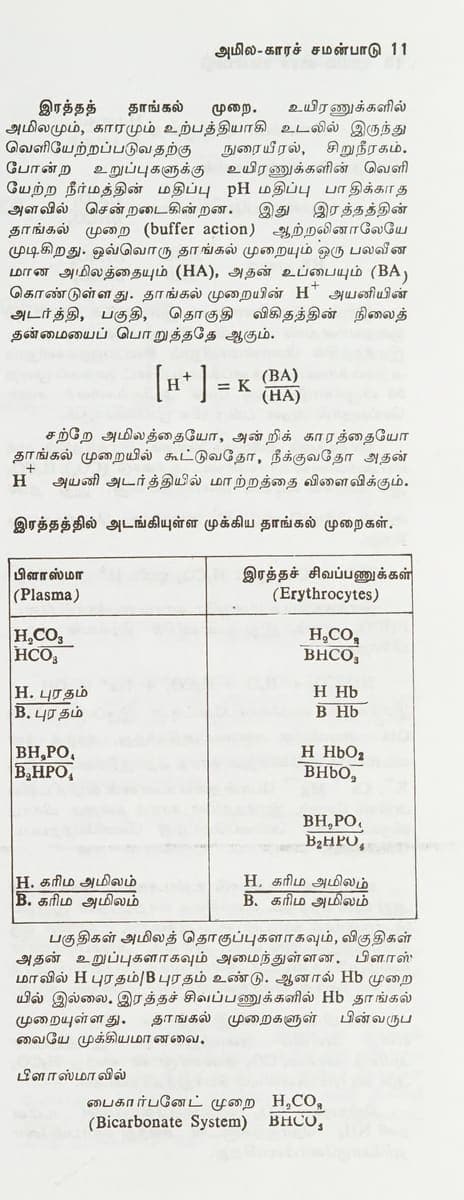
Tamil University, via Tamil Wikisource · Source · CC BY-SA 4.0
Evidano Transcription
The whole of the page shown, printed page 11, as proofread on Tamil Wikisource against this scan. Formulas and table cells are kept as marked up in the source.
இரத்தத் தாங்கல் முறை. உயிரணுக்களில் அமிலமும், காரமும் உற்பத்தியாகி உடலில் இருந்து வெளியேற்றப்படுவதற்கு நுரையீரல், சிறுநீரகம் போன்ற உறுப்புகளுக்கு உயிரணுக்களின் வெளியேற்ற நீர்மத்தின் மதிப்பு pH மதிப்பு பாதிக்காத அளவில் சென்றடைகின்றன. இது இரத்தத்தின் தாங்கல் முறை (buffer action) ஆற்றலினாலேயே முடிகிறது. ஒவ்வொரு தாங்கல் முறையும் ஒரு பலவீனமான அமிலத்தையும் (HA), அதன் உப்பையும் (BA) கொண்டுள்ளது. தாங்கல் முறையின் H+ அயனியின் அடர்த்தி, பகுதி, தொகுதி விகிதத்தின் நிலைத் தன்மையைப் பொறுத்ததே ஆகும்.
சற்றே அமிலத்தையோ, அன்றிக் காரத்தையோ தாங்கல் முறையில் கூட்டுவதோ, நீக்குவதோ அதன் H+ அயனி அடர்த்தியில் மாற்றத்தை விளைவிக்கும்.
இரத்தத்தில் அடங்கியுள்ள முக்கிய தாங்கல் முறைகள்.
பிளாஸ்மா (Plasma) | இரத்தச் சிவப்பணுக்கள் (Erythrocytes)
H₂CO₃/HCO₃ | H₂CO₃/BHCO₃
H. புரதம்/B. புரதம் | H Hb/B Hb
BH₂PO₄/B₂HPO₄ | H HbO₂/BHbO₂, BH₂PO₄/B₂HPO₄
H. கரிம அமிலம்/B. கரிம அமிலம் | H. கரிம அமிலம்/B. கரிம அமிலம்
பகுதிகள் அமிலத் தொகுப்புகளாகவும், விகுதிகள் அதன் உறுப்புகளாகவும் அமைந்துள்ளன. பிளாஸ்மாவில் H புரதம்/B புரதம் உண்டு. ஆனால் Hb முறையில் இல்லை. இரத்தச் சிவப்பணுக்களில் Hb தாங்கல் முறையுள்ளது. தாங்கல் முறைகளுள் பின்வருபவையே முக்கியமானவை.
பிளாஸ்மாவில் பைகார்பனேட் முறை (Bicarbonate System) H₂CO₃/BHCO₃
Source: பக்கம்:அறிவியல் களஞ்சியம் 2.pdf/42, Tamil Wikisource (CC BY-SA 4.0).
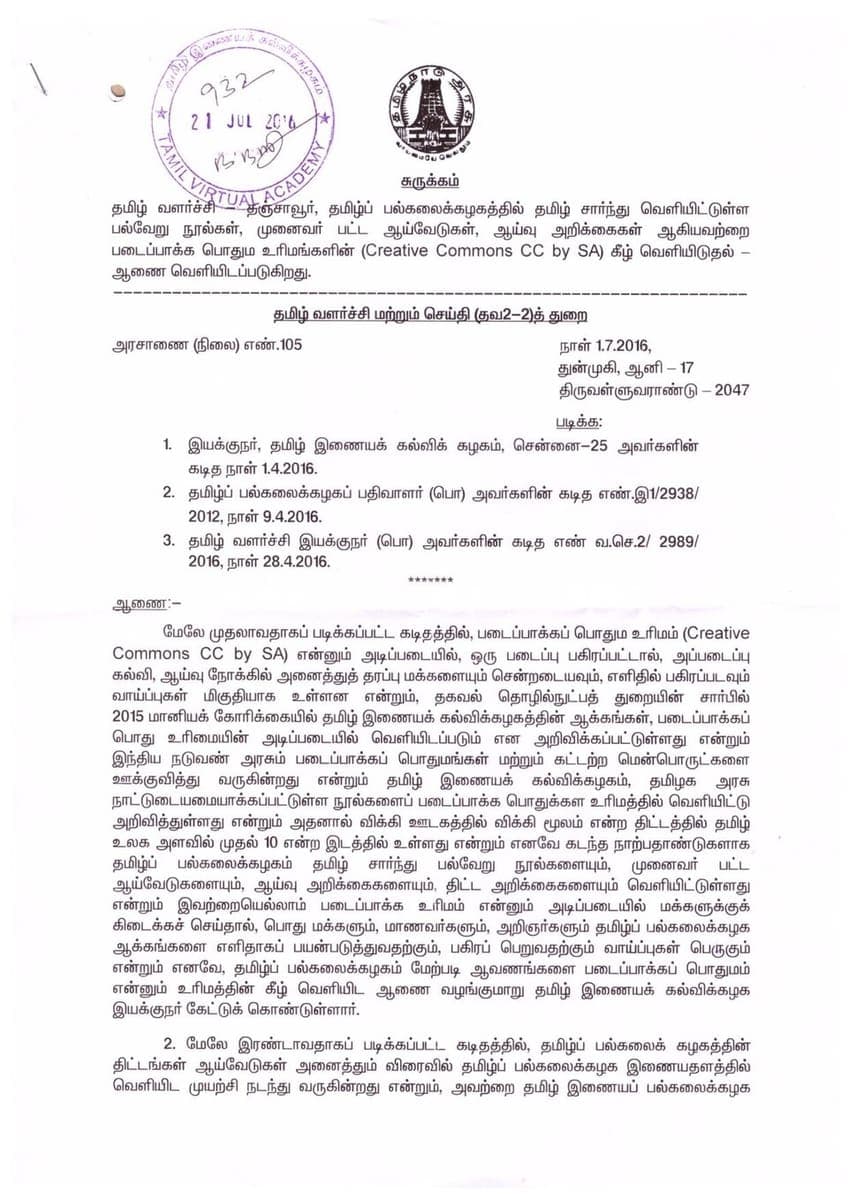
Government of Tamil Nadu, 1 July 2016 · Source · CC BY-SA 4.0 · Thamizhpparithi Maari
Evidano Transcription
- தமிழ் இணையக் கல்விக் கழகம் *
தமிழ்நாடு அரசு
932
21 JUL 2016 வாய்மையே வெல்லும்
[illegible]
TAMIL VIRTUAL ACADEMY
சுருக்கம்
தமிழ் வளர்ச்சி - தஞ்சாவூர், தமிழ்ப் பல்கலைக்கழகத்தில் தமிழ் சார்ந்து வெளியிட்டுள்ள
பல்வேறு நூல்கள், முனைவர் பட்ட ஆய்வேடுகள், ஆய்வு அறிக்கைகள் ஆகியவற்றை
படைப்பாக்க பொதும உரிமங்களின் (Creative Commons CC by SA) கீழ் வெளியிடுதல் -
ஆணை வெளியிடப்படுகிறது.
தமிழ் வளர்ச்சி மற்றும் செய்தி (தவ2-2)த் துறை
அரசாணை (நிலை) எண்.105 நாள் 1.7.2016,
துன்முகி, ஆனி - 17
திருவள்ளுவராண்டு - 2047
படிக்க:
1. இயக்குநர், தமிழ் இணையக் கல்விக் கழகம், சென்னை-25 அவர்களின்
கடித நாள் 1.4.2016.
2. தமிழ்ப் பல்கலைக்கழகப் பதிவாளர் (பொ) அவர்களின் கடித எண்.இ1/2938/
2012, நாள் 9.4.2016.
3. தமிழ் வளர்ச்சி இயக்குநர் (பொ) அவர்களின் கடித எண் வ.செ.2/ 2989/
2016, நாள் 28.4.2016.
*******
ஆணை:-
மேலே முதலாவதாகப் படிக்கப்பட்ட கடிதத்தில், படைப்பாக்கப் பொதும உரிமம் (Creative
Commons CC by SA) என்னும் அடிப்படையில், ஒரு படைப்பு பகிரப்பட்டால், அப்படைப்பு
கல்வி, ஆய்வு நோக்கில் அனைத்துத் தரப்பு மக்களையும் சென்றடையவும், எளிதில் பகிரப்படவும்
வாய்ப்புகள் மிகுதியாக உள்ளன என்றும், தகவல் தொழில்நுட்பத் துறையின் சார்பில்
2015 மானியக் கோரிக்கையில் தமிழ் இணையக் கல்விக்கழகத்தின் ஆக்கங்கள், படைப்பாக்கப்
பொது உரிமையின் அடிப்படையில் வெளியிடப்படும் என அறிவிக்கப்பட்டுள்ளது என்றும்
இந்திய நடுவண் அரசும் படைப்பாக்கப் பொதுமங்கள் மற்றும் கட்டற்ற மென்பொருட்களை
ஊக்குவித்து வருகின்றது என்றும் தமிழ் இணையக் கல்விக்கழகம், தமிழக அரசு
நாட்டுடைமையாக்கப்பட்டுள்ள நூல்களைப் படைப்பாக்க பொதுக்கள உரிமத்தில் வெளியிட்டு
அறிவித்துள்ளது என்றும் அதனால் விக்கி ஊடகத்தில் விக்கி மூலம் என்ற திட்டத்தில் தமிழ்
உலக அளவில் முதல் 10 என்ற இடத்தில் உள்ளது என்றும் எனவே கடந்த நாற்பதாண்டுகளாக
தமிழ்ப் பல்கலைக்கழகம் தமிழ் சார்ந்து பல்வேறு நூல்களையும், முனைவர் பட்ட
ஆய்வேடுகளையும், ஆய்வு அறிக்கைகளையும், திட்ட அறிக்கைகளையும் வெளியிட்டுள்ளது
என்றும் இவற்றையெல்லாம் படைப்பாக்க உரிமம் என்னும் அடிப்படையில் மக்களுக்குக்
கிடைக்கச் செய்தால், பொது மக்களும், மாணவர்களும், அறிஞர்களும் தமிழ்ப் பல்கலைக்கழக
ஆக்கங்களை எளிதாகப் பயன்படுத்துவதற்கும், பகிரப் பெறுவதற்கும் வாய்ப்புகள் பெருகும்
என்றும் எனவே, தமிழ்ப் பல்கலைக்கழகம் மேற்படி ஆவணங்களை படைப்பாக்கப் பொதுமம்
என்னும் உரிமத்தின் கீழ் வெளியிட ஆணை வழங்குமாறு தமிழ் இணையக் கல்விக்கழக
இயக்குநர் கேட்டுக் கொண்டுள்ளார்.
2. மேலே இரண்டாவதாகப் படிக்கப்பட்ட கடிதத்தில், தமிழ்ப் பல்கலைக் கழகத்தின்
திட்டங்கள் ஆய்வேடுகள் அனைத்தும் விரைவில் தமிழ்ப் பல்கலைக்கழக இணையதளத்தில்
வெளியிட முயற்சி நடந்து வருகின்றது என்றும், அவற்றை தமிழ் இணையப் பல்கலைக்கழக
Generated by Evidano’s advanced model; not yet checked against a published edition.
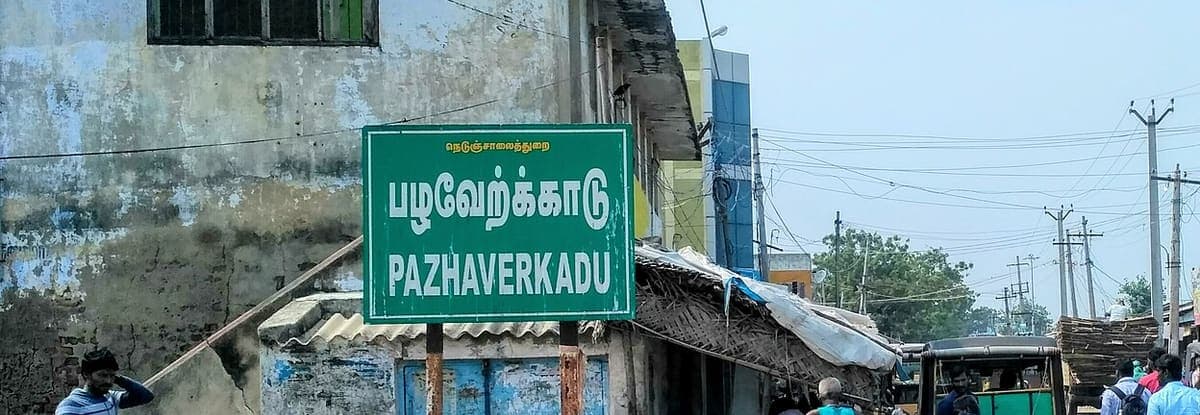
Source · CC BY-SA 4.0 · Gowtham Sampath
Evidano Transcription
நெடுஞ்சாலைத்துறை
பழவேற்காடு
PAZHAVERKADU
Generated by Evidano’s advanced model; not yet checked against a published edition.
What Tamil text looks like on the page
Tamil script descends from Tamil-Brahmi, in use from around the third century BCE, through the regional Vaṭṭeḻuttu tradition to the rounded letterforms seen in Chola-era inscriptions and, eventually, in print. The Italian Jesuit Constantius Beschi standardised a printable form of the script at the Tranquebar and Madras presses in the eighteenth century, fixing conventions — most importantly the puḷḷi, a small dot marking a bare consonant with no vowel — that palm-leaf scribes had used only inconsistently. A further government-led reform in 1978 simplified a large number of combined consonant-vowel glyphs for typewriters and, later, computer keyboards, so a book set before that date can use letter combinations a modern font no longer keeps.
Tamil is unusual among the scripts of India for how few genuine consonant clusters it has: rather than stacking one consonant beneath another the way Devanagari or Khmer do, Tamil simply writes each consonant in sequence with a puḷḷi to mark the ones carrying no vowel. Its eighteen native consonant letters also do double duty, standing for a voiced or unvoiced, aspirated or unaspirated sound depending on where they fall in a word, because Tamil itself does not distinguish these sounds the way Sanskrit does. Sanskrit loanwords that need a sound Tamil lacks borrow a handful of Grantha letters instead — ஜ, ஷ, ஸ, ஹ and the conjunct க்ஷ — a visibly different alphabet dropped into an otherwise Tamil sentence.
Everyday material adds its own habits. Older palm-leaf manuscripts, incised with a stylus and blackened afterward, often omit the puḷḷi that modern print insists on and use archaic forms of ல, ள and ழ, so the same word can look different across a few centuries. Government orders, forms and signage mix Tamil prose with English words, numerals and reference codes, official seals and stamps, and a due date or file number set in a different type altogether from the body text around it.
Why ordinary OCR struggles here
Letters that differ by one small loop
ல, ள and ழ are three different sounds sharing almost the same rounded shape; ண, ந and ன likewise, and ர and ற. A worn scan, a small font or a fast hand can lose exactly the stroke that tells them apart, and mistaking one for another changes the word.
A second alphabet for borrowed words
Grantha letters used for Sanskrit loanwords — ஜ, ஷ, ஸ, ஹ, க்ஷ — do not belong to the native Tamil letter set and can be misread as decoration, a foreign script, or an unfamiliar Tamil letter rather than recognised for what they are.
A dot that decides whether a consonant has a vowel
The puḷḷi marking a bare consonant is a single small dot, easily lost to a soft scan, damage, or a manuscript hand that used it only some of the time. Losing it changes a consonant cluster into a different sequence of syllables.
Pre-reform spelling next to modern print
A book set before the 1978 simplification of consonant-vowel combinations, or a palm-leaf manuscript predating Beschi’s eighteenth-century standardisation, can spell the same word with different glyph shapes than a current font uses, which a model trained only on modern Tamil print will not expect.
Who works with this material
Temple and Saiva-Vaishnava manuscript projects
Tevaram, Tirumurai and other bhakti-literature palm-leaf collections need each leaf read reliably, including the marginal rāgam and tāḷam notes that tell a temple singer how a hymn was meant to be performed.
Government and legal documentation
Government orders, court papers and revenue records mix formal Tamil prose with English terms, file numbers and stamps, and an index needs the order number, date and department read correctly ahead of anything else.
Diaspora and Sri Lankan Tamil archives
Family letters, land records and temple registers from Tamil Nadu and Sri Lanka carry regional spelling habits and, in older documents, Vaṭṭeḻuttu-influenced letterforms that a genealogist needs read as written, not silently modernised.
Publishers and Tamil digital-humanities projects
Reprinting or cataloguing a book set before the 1978 script reform means recognising glyph combinations a current font no longer produces, so the old and new spellings of a word can be matched to each other.
Getting the best transcription
Say whether the page predates modern spelling conventions
Flag a palm-leaf manuscript or a pre-1978 book so the puḷḷi dot and older consonant-vowel combinations are read as the period-correct forms they are, not corrected to current typing conventions.
Ask for Grantha letters to be kept as written
Tell the model to transcribe ஜ, ஷ, ஸ, ஹ and க்ஷ as they stand rather than substituting the nearest native Tamil letter, so Sanskrit loanwords stay distinguishable from native vocabulary.
Flag the easily confused letter families
On a soft or low-contrast scan, ask for genuinely ambiguous cases among ல/ள/ழ, ண/ந/ன and ர/ற to be marked rather than resolved by a silent guess.
Start with the hardest item in the batch
Run a manuscript or a fast handwritten note before a run of clean print. If the model separates its consonant clusters and Grantha letters correctly, the rest of the batch usually needs only a light check.
Frequently asked questions
- Can it read the Grantha letters used for Sanskrit words in Tamil text?
- Yes. Grantha letters such as ஜ, ஷ, ஸ, ஹ and க்ஷ are recognised as the distinct letters they are and transcribed as written, rather than merged into the nearest native Tamil sound.
- How does it tell apart the three l-sounds and three n-sounds?
- ல, ள, ழ and ண, ந, ன are read as separate letters based on their distinguishing strokes; where a scan is too degraded to tell them apart with confidence, that uncertainty is flagged rather than guessed.
- What happens with the puḷḷi dot and consonant clusters?
- The puḷḷi is read as marking a bare consonant, and clusters are transcribed as the sequence of puḷḷi-marked and vowelled consonants Tamil actually uses, rather than assumed to stack the way Devanagari or Khmer clusters do.
- Can it read an older palm-leaf manuscript whose spelling looks different from modern print?
- Yes, when you say the material is older. Inconsistent or absent puḷḷi marks and archaic letterforms are read in context rather than expected to match current printed Tamil.
- Does it know about the 1978 script reform and older glyph combinations?
- Yes. Consonant-vowel combinations from before the 1978 simplification are recognised on their own terms, which matters for reprinting or cataloguing older Tamil books.
- Can it read a government order or form that mixes Tamil and English?
- Yes. Tamil prose, English terms, file numbers and stamped or handwritten additions are each transcribed in place rather than folded into a single undifferentiated block of text.
Related scripts and pages
Transcribe your Tamil documents
Upload a scan or a photograph — a printed page, a government order, a sign or a manuscript leaf — and check the Tamil transcription line by line before you export it.