
Persian · c. 1500–1900
Mughal paperwork and Indian nastaʿliq
Persian was the language of government across South Asia for six centuries, and its paper looks it: an imperial order carries a gold tughra, two seals and nine lines spread down a metre of sheet, while a revenue paper hides its sums in siyāq figures and its place names in a spelling no Persian dictionary knows. The same script also carries Bedil and the court chronicles. Evidano reads both, and returns seals, endorsements and figures as separate fields rather than folding them into the prose.
Sample pages
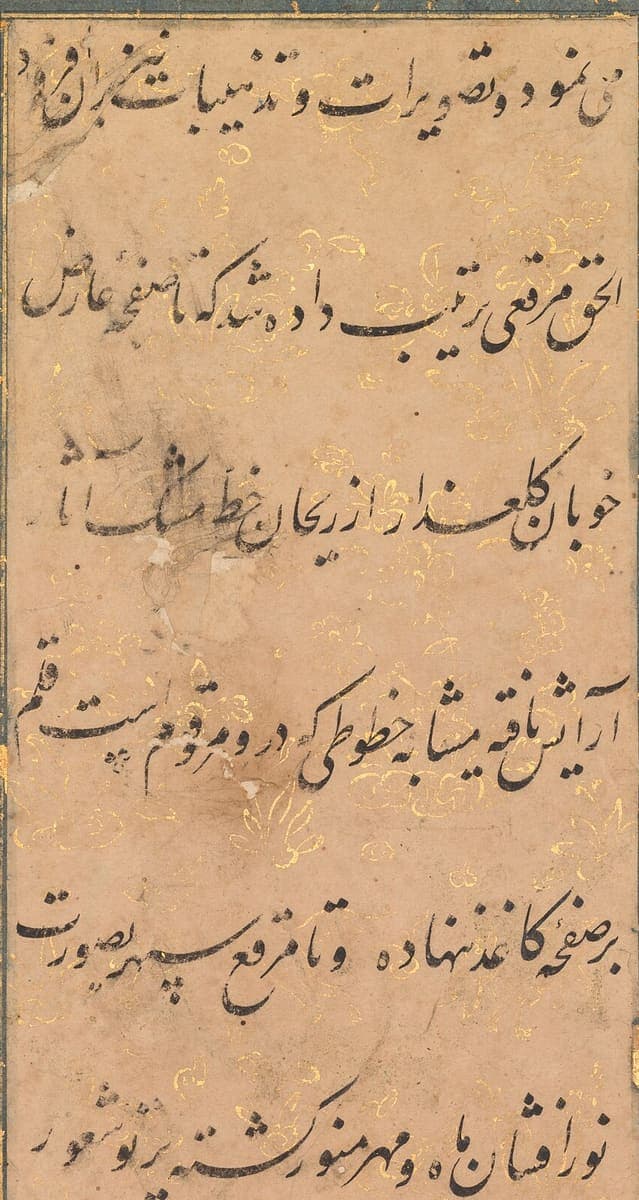
Cleveland Museum of Art, 2013.303.b, c. 1585–90 · Source · CC0 1.0
Evidano Transcription
می نمود و تصویرات و تذهیبات نیز بران افزوده
الحق مرقعی ترتیب داده شد که تا صفحه عارض
خوبان گلعذار از ریحان خط مشک آثار
آرایش یافته مشابه خطوطی که در و مرقوم است قلم
بر صفحه کاغذ نهاده و تا مرقع سپهر بصورت
نور افشان ماه و مهر منور گشته پرتو شعور
Generated by Evidano’s advanced model; not yet checked against a published edition.
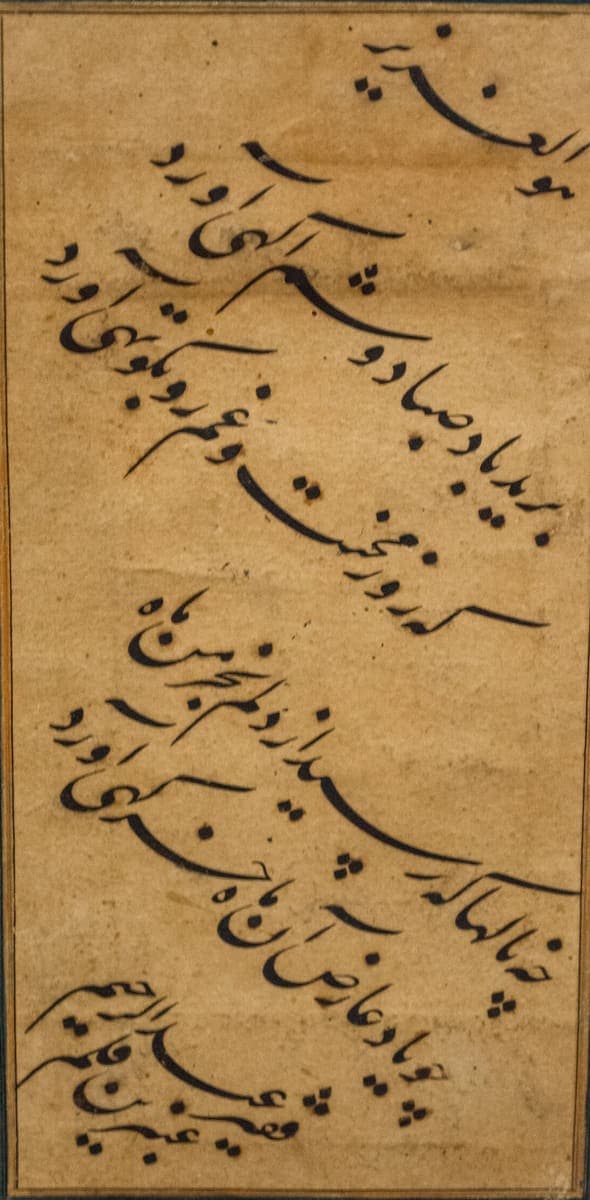
Cleveland Museum of Art, c. 1600 · Source · CC BY-SA 2.0 · Photograph by Tim Evanson
Evidano Transcription
The four long lines, which carry the first and the sixth couplets of the ghazal as printed in the standard text; each couplet occupies two lines, first hemistich above, second below. The small invocation written above them, which the museum renders as “He is the exalted One”, is not part of the poem and is not included. Ganjoor prints the couplets without the vowel marks the leaf also omits; the identification follows the museum’s own reading of the leaf.
برید باد صبا دوشم آگهی آورد / که روز محنت و غم رو به کوتهی آورد چه نالهها که رسید از دلم به خرمن ماه / چو یاد عارض آن ماه خرگهی آورد
Source: حافظ، غزلیات، غزل شمارهٔ ۱۴۷, Ganjoor (Public domain).
Evidano Transcription
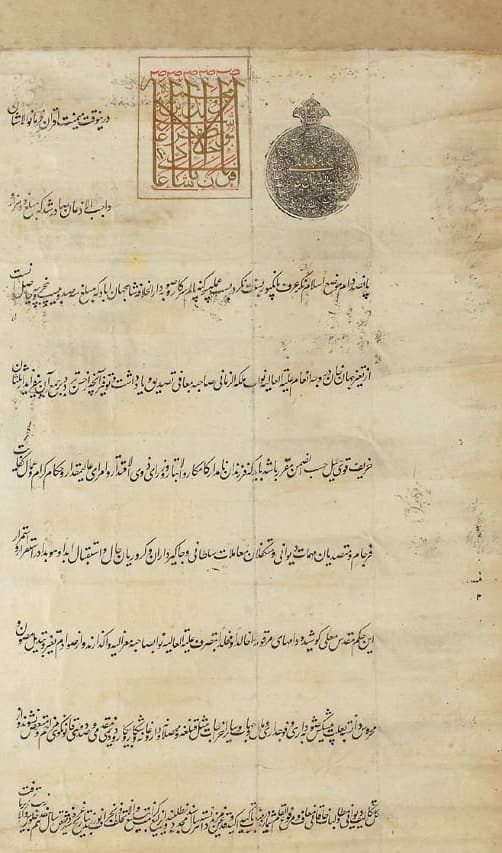
[tughra] [seal]
درین وقت میمنت اقتران فرمان والاشان
واجب الاذعان صادر شد که مبلغ ده [?] هزار و
پانصد دام موضع اسلام نگر عرف [illegible] پرگنه [illegible] سرکار [illegible] دار الخلافه شاهجهان آباد که مبلغ [illegible] حاصل آنست
از تغیر جهان خان [illegible] وجه انعام علیه عالیه نواب ملکه الزمانی صاحبه [illegible] تصدیق یادداشت و توفیر آنچه [illegible] در وجه آن [illegible]
خریف قوی ییل حسب الضمن مقرر باشد باید که فرزندان نامدار کامگار [illegible] وزرای ذوی الاقتدار و امرای عالی مقدار و حکام کرام و عمال کفایت
فرجام و متصدیان مهمات دیوانی و متکفلان معاملات سلطانی و جاگیرداران و کروریان حال و استقبال ابدا و موبدا در استقرار و استمرار
این حکم مقدس معلی کوشیده دامهای مرقومه را خالدا و مخلدا بتصرف علیه عالیه نواب صاحبه [illegible] واگذارند و از [illegible] تغیر و تبدیل مصون
محروس دانسته بعلت پیشکش [illegible] و فوجداری [illegible] و سایر اخراجات [illegible] نشوند و از
[illegible] تکالیف دیوانی و مطالبات [illegible] معاف و مرفوع القلم [illegible]
[right-margin notes illegible]
Generated by Evidano’s advanced model; not yet checked against a published edition.
Evidano Transcription
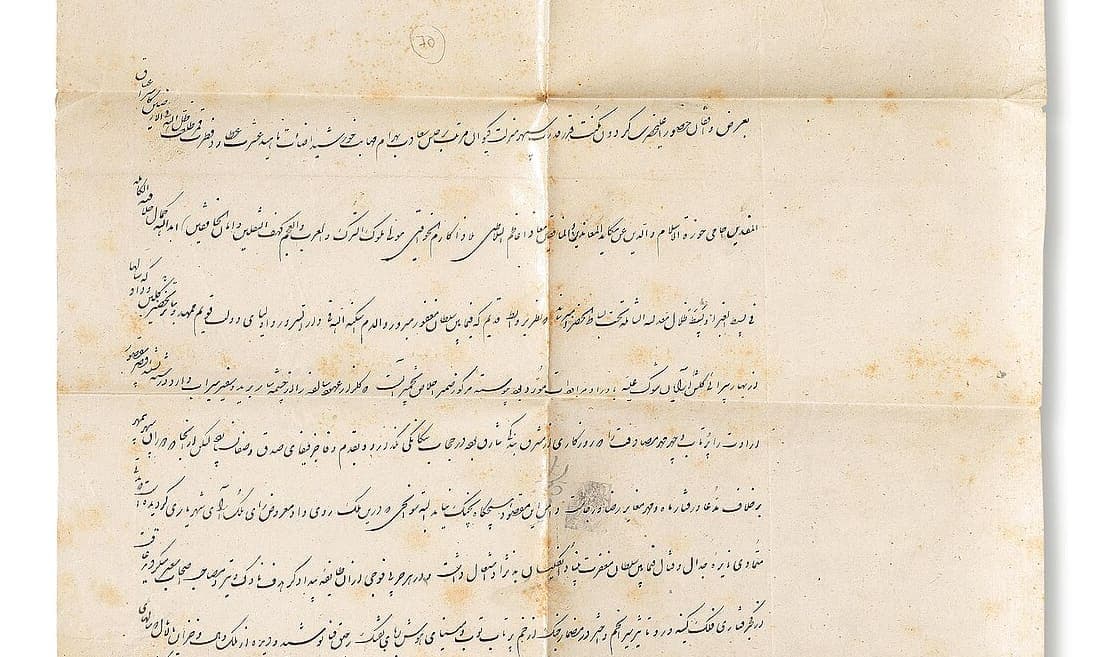
بعرض واقفان [?] حضور علیحضرت گردون حشمت قدر قدرت سپهر منزلت کیوان مرتبت برجیس سعادت بهرام مهابت خورشید [illegible] ناهید عشرت عطارد فطرت قمر طلعت [illegible]
[illegible] حامی حوزة الاسلام والدین عن مکاید المعاندین والمنافقین معاذ اعاظم السلاطین [illegible] مولی ملوک الترک والعرب والعجم کهف الثقلین و امان الخافقین ادام الله [illegible]
[illegible] و نظر بروابط قدیم که فیما بین سلطان مغفور مبرور والدم [illegible] و اولیای دولت [illegible]
در میانه [illegible] سلوک علیه [illegible] پیوسته مرکوز ضمیر اخلاص تخمیر است و گلزار عهود سالفه را از چشمه سار [illegible] سیراب دارد و در [illegible]
ارادت را از آب جوی مهر [illegible] روزگاری از شرق بندگی شارق بود در حجاب بیگانگی نگذارد و بتقدم و تاخر فضای صدق و صفا [illegible] لکن از انجا که [illegible]
بر خلاف مدعا در غبار ماه و مهر مغایر رضا و رجا [illegible] درین ملک روی داد و معروض [illegible] شهریاری گردیده تا
متمادی نایره جدال و قتال فیما بین سلطان مغفرت پناه و انگلیسان بد نژاد مشتعل داشت [illegible] فوجی از ان طایفه [illegible]
[last line cut off]
Generated by Evidano’s advanced model; not yet checked against a published edition.
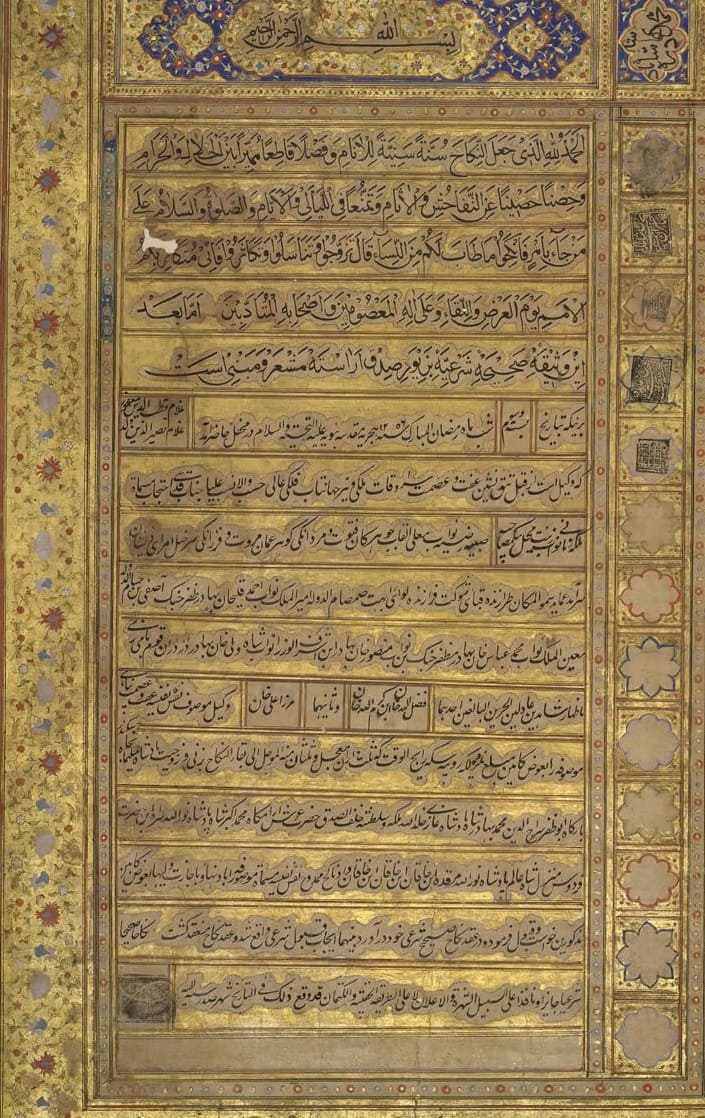
Evidano Transcription
بسم الله الرحمن الرحیم
اَلحَمدُ لِلّٰهِ الَّذی جَعَلَ النِّکاحَ سُنَّةً سَنِیَّةً لِلاَنامِ وَفَصلًا قاطِعًا مُمَیِّزًا بَینَ الحَلالِ وَالحَرامِ
وَحِصنًا حَصینًا عَنِ التَّفاحُشِ وَالاٰثامِ وَمُتعًا فِی اللَّیالی وَالاَیّامِ وَالصَّلٰوةُ وَالسَّلامُ عَلٰی
[illegible] مَن جاءَ بِاَمرِ فَانکِحُوا ما طابَ لَکُم مِنَ النِّساءِ قالَ تَزَوَّجُوا تَناسَلُوا وَتَکاثَرُوا فَاِنّی مُباهٍ بِکُمُ
الاُمَمَ یَومَ العَرضِ وَاللِّقاءِ وَعَلٰی اٰلِهِ المَعصُومینَ وَاَصحابِهِ المُتَاَدِّبینَ اَمّا بَعدُ
این وثیقهٔ صحیحهٔ شرعیه بر نور صدق آراسته مشعر و مبنی است
| برینکه بتاریخ | بیستم | شب ماه رمضان المبارک سنه ۱۲۵۶[?] هجریه مقدسه نبویه علیه التحیة والسلام در محفل حاضره | غلام قطب الدین [illegible] غلام نصیر الدین [illegible] |
|---|
که وکیل است از قبل تتق نشین عفت و عصمت سرادقات[?] ملکی نیر جهانتاب فلکی عالی حسب الانسب علیا جناب قدسی[?] احتجاب [illegible]
| ملکه زمانی نواب زینت محل بیگم صاحبه | صبیه نواب معلی القاب جوهرکان فتوت و مردانگی گوهر عمان مروت و فرزانگی سر خیل امرای ذی شان |
|---|
سرآمد عماید سمو المکان طرازنده قبای شوکت فرازنده لوای ابهت صمصام الدوله امیر الملک نواب احمد قلیخان بهادر ظفر جنگ آصفی [illegible]
[remaining lines illegible]
Generated by Evidano’s advanced model; not yet checked against a published edition.
The script, the vocabulary and the sheet
From the Delhi sultanates onward Persian was the language of the chancery in India, and under the Mughals it became the language of revenue accounting as well; the successor states — Awadh, Hyderabad, Mysore, the Maratha courts, the Sikh kingdom of Lahore — kept it, and so did the East India Company, which conducted its Indian business in Persian until the reforms of 1837 replaced it with English and the regional languages. The hand is nastaʿliq, but an Indian nastaʿliq: broader and flatter than the Iranian ideal, written with a wide nib on thick burnished paper, and shading into a quick shikasta-āmīz for working documents. Arabic passages inside a Persian text — the opening praise of a deed, a Qurʾanic tag — are usually switched into a rounder naskh, so two scripts share the page.
The document types have their own shapes. A farman opens with an invocation and a tughra of the emperor’s titles in gold, carries a round or square seal impression above the text, and sets nine or ten widely spaced lines down a tall sheet; the space left blank at the head is deliberate, and the more exalted the addressee the larger it is. Parwānas, sanads and hasb al-hukm orders follow the same logic at a lower rank, with the seals of the officers who countersigned them stacked down the right margin. Deeds — sale contracts, kabin-nāmas — set an Arabic preamble in ruled boxes above Persian clauses that name the parties, the property and the sums, and carry witness seals in a column beside the text. Court newsletters, the akhbārāt, are written in a fast hand with the date at the head and a running list of the day’s audiences.
The reading problems are as much lexical as graphic. Amounts appear both in Persian words and in siyāq, an accountant’s shorthand in which the shape stands for an abbreviated Arabic number word rather than a digit, and units — dām, rupee, bīgha, man — are contracted to a stroke. Dates combine the Hijri year with the emperor’s regnal, or julūs, year, and a document may give one without the other. Names of villages, castes and offices enter Persian from Hindavi, Marathi and Bengali without dots to guide the reader, and the back of a sheet often carries a clerk’s endorsement in Devanagari, Kaithī or Modi. The same hand also copies the chronicles, the Persian translations made from Sanskrit at Akbar’s court, and the dense poetry of the Indian style.
Why ordinary OCR struggles here
Sums written in two systems at once
A revenue paper gives a figure in words, repeats it in siyāq, and abbreviates the unit to a hook. Siyāq is not a set of digits and cannot be read as one; treated as ordinary numerals it produces confident, wrong totals.
Words no Persian lexicon contains
Village names, revenue categories, caste and office titles come from Indian languages and are spelled inconsistently, often with the dots left off. A model that falls back on Persian vocabulary quietly replaces them with words that look similar and mean something else.
Seals, tughras and blank space
The head of a document may be a gold tughra, one or more seal impressions in relief, and a deliberately empty field. All three carry meaning — rank, authority, date — and none of them is a line of running text, so they have to be recognised and reported as what they are.
More than one script on a sheet
Arabic formulae in naskh, Persian clauses in nastaʿliq, a clerk’s endorsement in Devanagari or Modi on the back, and sometimes an English docket added by a Company official. Each needs to be identified before it can be read, and none should be forced into the language of the main text.
Who works with this material
Historians of revenue and land
Grants, assessments and title deeds survive in state archives and family collections all over South Asia, usually undescribed. What a historian wants first is the parties, the place, the amount and the date, in a form that can be tabulated and checked against a settlement record.
Librarians of South Asian Persian collections
Institutions such as the Khuda Bakhsh, the Rampur Raza and the Salar Jung libraries hold tens of thousands of Persian volumes with brief entries. Incipits, colophons and ownership notes turned into text let a catalogue be searched and duplicate copies identified.
Editors of Indo-Persian literature
Chronicles, dīvāns and the Persian translations made from Sanskrit at the Mughal court exist in many manuscripts and few critical editions. An editor needs each copy read as it stands, with its Indic proper names left alone rather than normalised into Persian ones.
Legal and genealogical researchers
Land disputes and family histories still turn on Persian deeds from before 1837. The value is in the names, the boundaries and the seals, and in knowing which of those the reading is confident about.
Getting the best transcription
Name the document type and the court
A farman of Shāh ʿĀlam, a Maratha parwāna and an Awadh sale deed differ in formula, in the placing of the seals and in the units they count. Saying which you have narrows the vocabulary and tells the model where on the sheet to expect each part.
Supply the local names you already know
A short list of the villages, offices and personal names likely to occur is worth more than any general instruction. Given the list, undotted clusters resolve to the right word instead of to the nearest ordinary Persian one.
Ask for figures exactly as written
Request siyāq and word-forms of amounts separately and unconverted, with the unit as it stands. Conversion to modern figures is a second pass you can check; a conversion made silently during transcription cannot be checked at all.
Treat the seals and the reverse as their own job
Run seal impressions, the tughra and any endorsement on the back as separate close crops, and say what script each is likely to be in. Dates and authorising names live there, and they are the parts a whole-sheet pass is most likely to miss.
Further reading on this hand
The palaeography guides the in-app selector points to for this domain, if you want to check a transcription against the standard references.
- Scripts
This University of Pennsylvania guide describes Nastaʿliq as a Persianate script strongly associated with Iran and South Asia. It identifies the script's rightward slope, compact ligaturing, and characteristic use in literary manuscripts. The guide compares Nastaʿliq with Naskh, Maghribi, and other Islamic scripts and relates each to region and document function. It is useful for Indo-Persian material because it explicitly situates Nastaʿliq within South Asian manuscript production.
Frequently asked questions
- Is Indian nastaʿliq different from the Iranian hand?
- It is the same script with different habits. Indian scribes write it broader and flatter, space the words more widely, and lean towards shikasta forms in working documents, so a model tuned only on Safavid and Qajar material misreads the wider ligatures. Say that the page is South Asian.
- How are regnal and Hijri dates reported?
- Both are returned as they appear, with a note of which is which. A julūs year counted from an emperor’s accession only becomes a calendar date once you know the reign, so the conversion is offered rather than assumed, and a document that gives only one of the two is not quietly completed.
- Can siyāq figures be read at all?
- They can be recognised and returned as tokens with their position in the column, and often resolved when the same amount is also written out in words nearby. Where only the siyāq form is present the reading is given with a confidence note, because these shapes vary between offices and periods.
- What happens to an endorsement in Devanagari or Modi?
- It is identified as a different script and transcribed in that script rather than being transliterated into Persian letters. Keeping it separate matters, because the clerk’s note on the back is often the only record of what happened to the document after it was issued.
- Does it cope with the Indian style of Persian poetry?
- Sabk-i hindī builds long chains of compound metaphors, and a model that predicts classical diction will smooth them into something more familiar. Naming the poet or the period keeps the unusual compounds, which are precisely what a reader of this poetry is after.
Related scripts and pages
Read your Indo-Persian records
Upload a farman, deed or manuscript page, choose Indo-Persian Nastaʿliq Administrative and Literary Hands, and name the court it came from.