
Japanese · Image to Text
Twelve centuries of Japanese, before the script settled
Japanese has been written since the eighth century, and for all but the last hundred years it looked nothing like the type on this screen. Choose the period your material comes from and the transcription follows the letterforms, the reading marks and the page layout that period actually used.
Choose the hand or document type
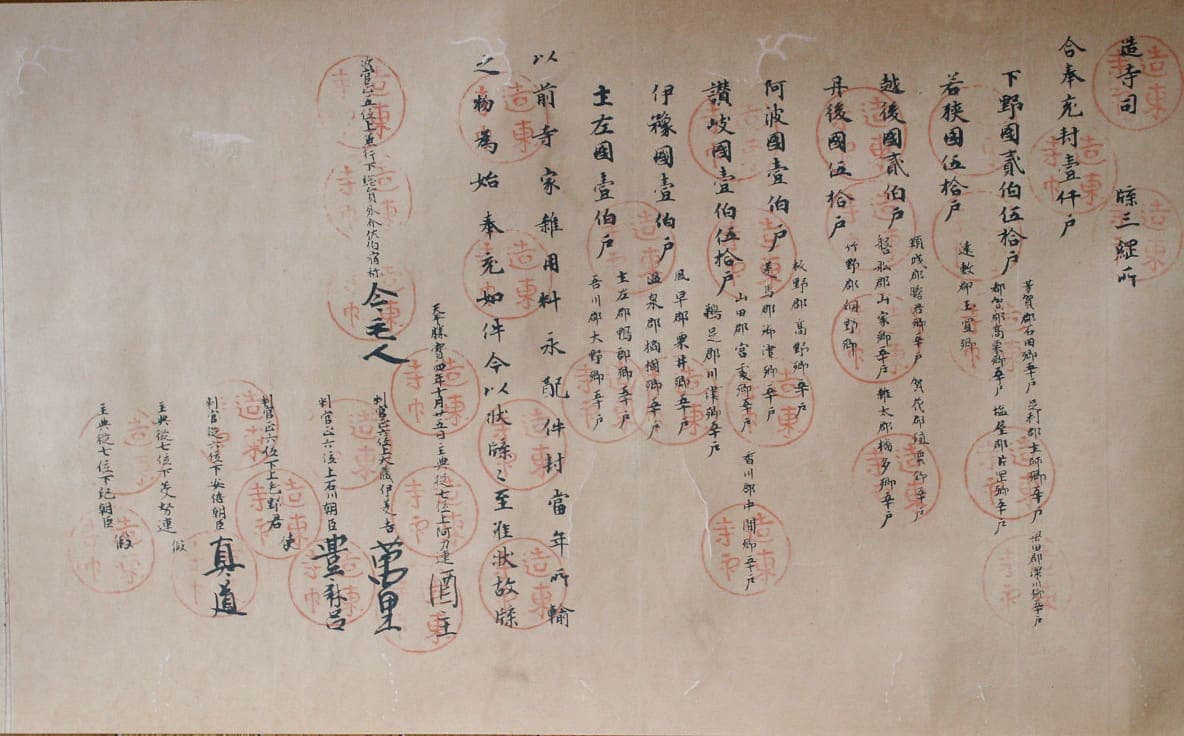 Nara and Heian Man'yōgana and Early Kanac. 700–1100Transcribe Nara and Heian pages: man'yōgana, early cursive kana, kanbun reading marks and sealed provincial documents, with checked transcriptions.
 Medieval Japanese Kana and Kanbun Documentsc. 1100–1600Read Kamakura, Nanbokuchō and Sengoku material: land grants with kaō, cursive kana letters, diaries in hentai-kanbun and literary manuscripts.
 Edo-Period Kuzushiji Manuscriptsc. 1600–1868Transcribe handwritten Edo material: connected kuzushiji and hentaigana in diaries, petitions, price lists, testaments and literary copies.
 Edo-Period Woodblock Print and Hentaiganac. 1600–1868Transcribe Edo printed books: carved cursive kana, hentaigana, furigana beside every kanji and text set around the illustrations.
 Meiji Transitional Cursive and Pre-Standard Kanac. 1868–1900Transcribe Meiji sources: official katakana notices in metal type, woodblock hentaigana, historical kana spelling and handwritten ledgers.
Transcribing Japanese across the centuries
The surviving record is enormous and mostly unread. Around ten thousand eighth-century sheets survive in the Shōsōin alone; medieval temples and warrior families kept deeds, orders and letters by the chest; the Tokugawa centuries left village papers, diaries and shop ledgers in local archives all over the country, beside the tens of thousands of woodblock titles digitised by the National Institute of Japanese Literature. Almost none of it uses the letterforms taught in schools today, which is why so much has never been transcribed.
The writing changed several times. Chinese characters used for their sound alone gave way to kana, first as a running cursive and then, from the eleventh century, as the hand of poem sheets and tales; medieval clerks wrote Chinese characters in Japanese order with monograms instead of signatures; Edo writers joined four or five syllables in a single stroke and spelled one sound with any of a dozen variant kana; and the block cutters copied all of it faithfully into print, furigana and all. Only the school reforms of 1900 fixed one shape per syllable and put the older forms out of use.
Those who read it are editors of classical texts, prefectural and temple archivists, historians of law, food and trade, genealogists working through village registers, and the crowd-transcription projects that recruit volunteers. Each domain page below describes the hand, explains why ordinary text recognition fails on it, and shows real pages with checked transcriptions.
Not sure which hand you have?
Upload a page, pick the closest domain, and test the prompt on one page before running the rest. You can switch domains at any time.