
Chinese · Image to Text
Three thousand years of Chinese writing, material by material
Chinese has been written continuously since the thirteenth century BCE, but a Shang diviner’s knife, a Zhou foundry, a Chu scribe’s brush and a Song woodblock leave marks that have almost nothing in common. Pick the domain that matches your material and the transcription follows the conventions of that surface and that script.
Choose the hand or document type
 Shang Oracle-Bone Inscriptionsc. 1250–1046 BCETranscribe Shang jiaguwen from plastrons, scapulae and rubbings: divination charges, ganzhi day signs and graphs that have no modern character equivalent.
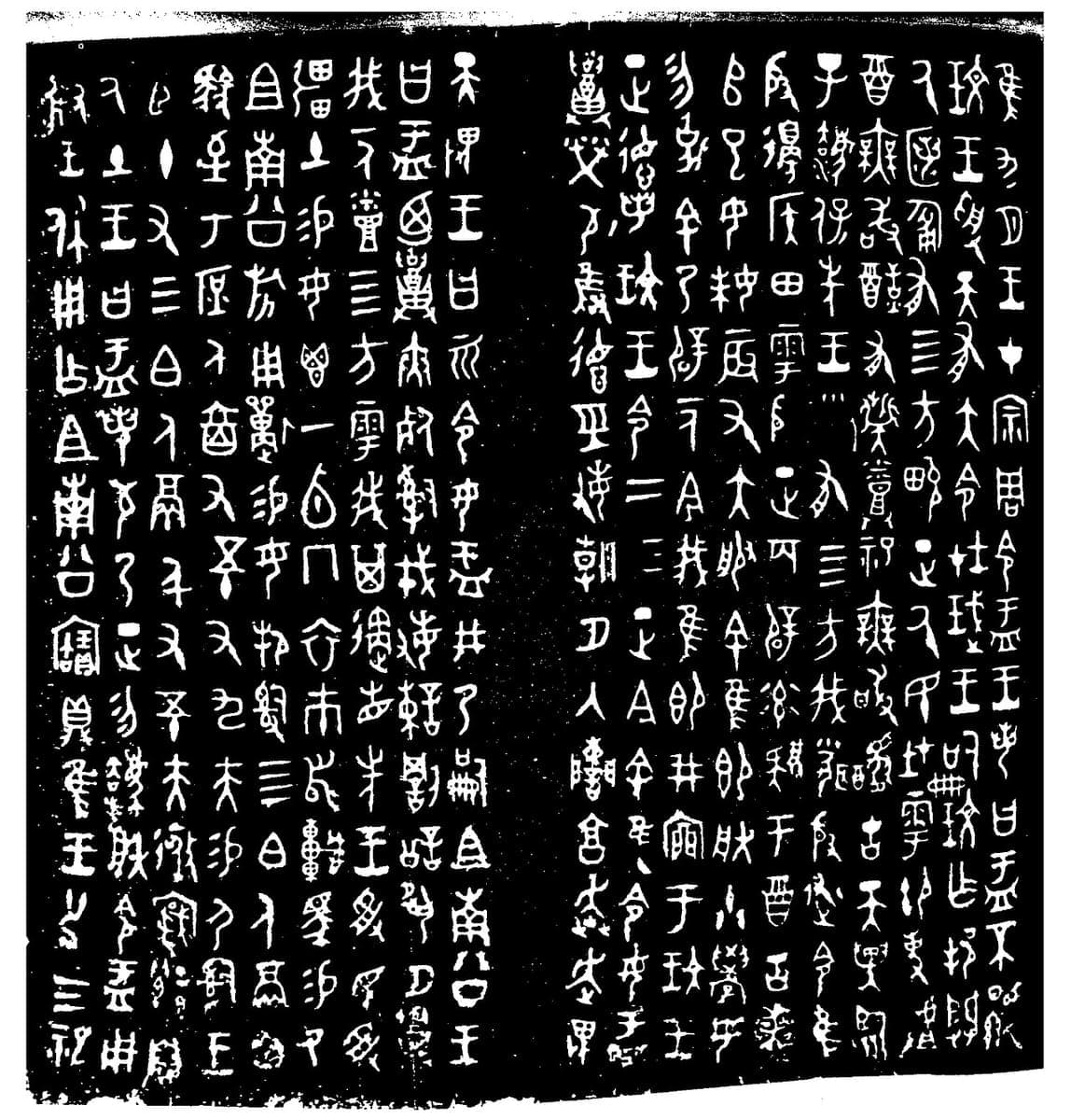 Western and Eastern Zhou Bronze Inscriptionsc. 1046–221 BCETranscribe jinwen cast inside Zhou ritual vessels: rubbings and object photographs, clan emblems, ligatured numerals and graphs that predate the seal script.
 Warring States and Qin Bamboo or Silk Manuscriptsc. 500–206 BCETranscribe Chu bamboo slips, Qin wooden documents and silk manuscripts: regional graph variants, repetition marks, broken slips and uncertain slip order.
 Han Clerical-Script Manuscripts and Documentsc. 206 BCE–220 CETranscribe Han lishu on wooden strips, sealing tags and stele rubbings: garrison registers, cursive drafts, cut characters and the Xiping stone classics.
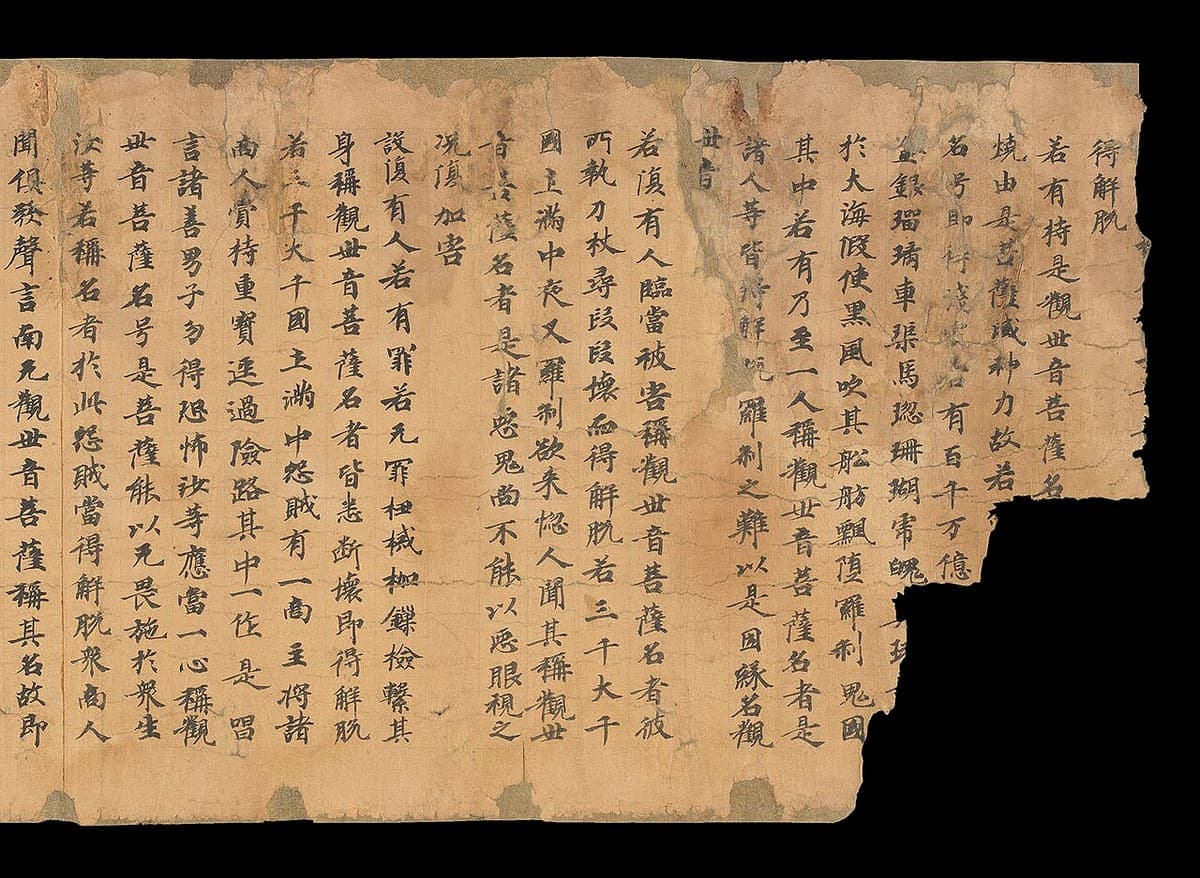 Medieval to Late Imperial Classical Chinese Manuscriptsc. 220–1900Transcribe Dunhuang scrolls, Song prints and late imperial manuscripts: unpunctuated columns, half-size commentary, variant graphs, seals and colophons.
Transcribing Chinese across the centuries
What survives is shaped by the material. Some 150,000 inscribed bones and turtle shells carry the divination records of the late Shang court; thousands of Zhou bronzes hold cast inscriptions read mostly from ink rubbings; tombs and wells in Hubei, Hunan and Gansu have given up hundreds of thousands of bamboo and wooden slips, from philosophical books to Qin county paperwork and Han duty rosters; and the sealed cave at Dunhuang alone yielded some 40,000 paper manuscripts, beside the printed and hand-copied books in East Asian rare-book collections.
The script changed with the tools. Knife-cut oracle-bone graphs are angular and still unstandardised; cast bronze forms are rounder and vary from state to state; the brush on bamboo produces regional Warring States hands that later dictionaries do not cover; Qin and Han clerical writing flattens the character and adds the long wave stroke; and from the third century CE regular, running and cursive script settle into the repertoire used until the twentieth. Throughout, text runs top to bottom and right to left, with no punctuation in the writing itself — readers added the sentence breaks afterwards.
Those who read it are palaeographers working through catalogue numbers, museum staff cataloguing rubbings and slips, historians of the Zhou state and the Han frontier, editors collating Buddhist and Daoist canons, and rare-book cataloguers recording seals and colophons. Each domain page sets out what the writing looks like, why generic OCR fails on it, and how to brief and check a transcription.
Not sure which hand you have?
Upload a page, pick the closest domain, and test the prompt on one page before running the rest. You can switch domains at any time.